
Sealing guides
Clear technical answers — no filler, no invented claims.
Nothing matches that search and topic.
Which joint beside a staircase can you seal?
Identify the two parts that meet. A loose tread, a fixed string and the edge of a floating floor call for different treatments.
Bathroom damp: sealant maintenance or a building repair?
Identify the faulty component before blaming the bead. Record the leak separately from the damage it leaves.
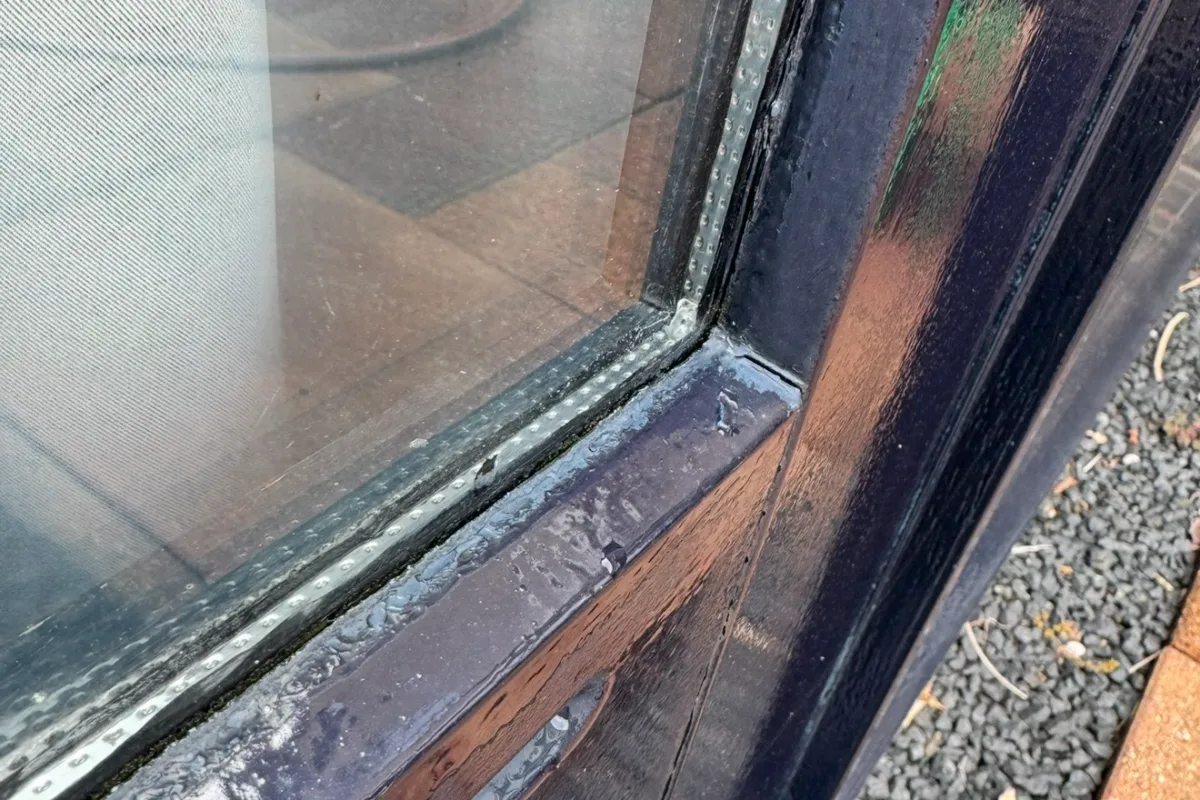
A survey flags defective silicone: what should you ask?
Ask for the precise section and observed defect. A wavy bead, a loose edge and damp in another room are different findings.
How to practise running and tooling a sealant bead
Start with a straight practice joint. Repeat the start, stop and turn into a corner before working on a visible surface.
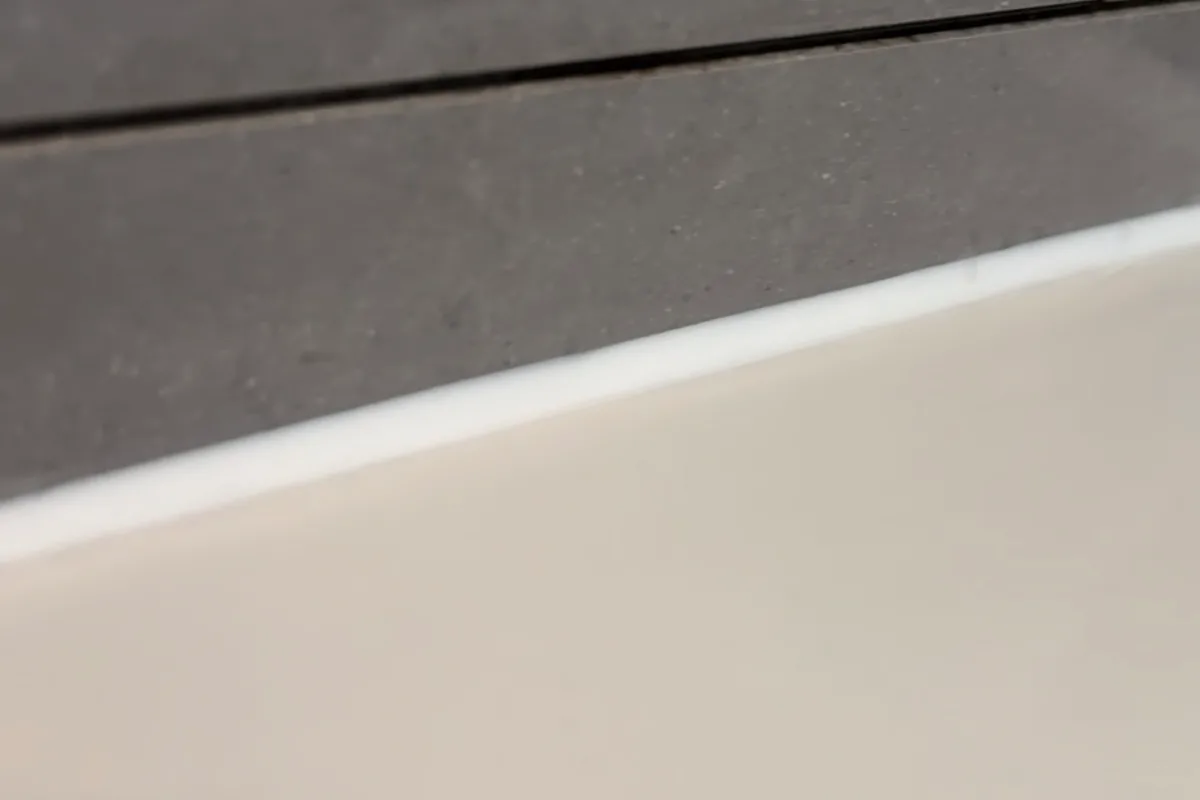
Which edges of a vanity basin need sealant?
Distinguish the wall joint, the support on the unit and the tap seals. Locate the first drop before choosing an edge to treat.
Where tile meets click vinyl in a doorway
Identify the floating floor, expansion allowance and specified trim. A threshold does not turn the gap into a joint to fill.
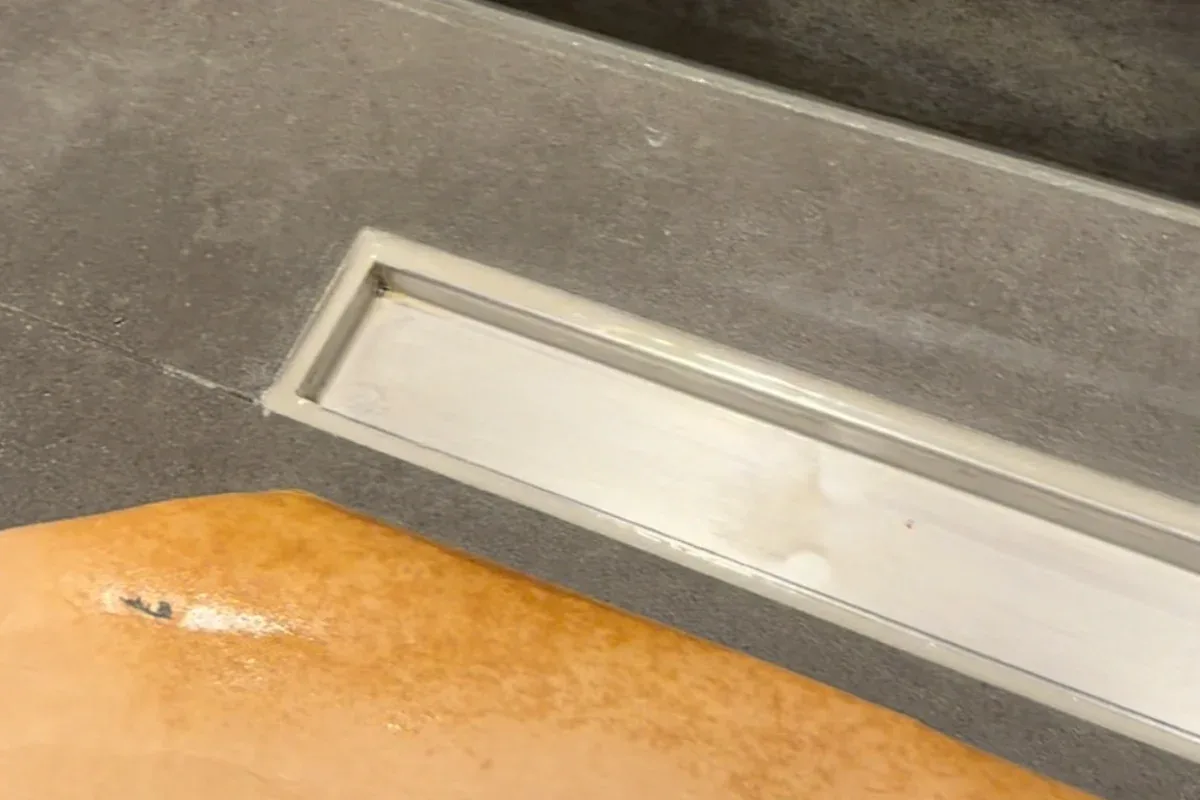
Replace the shower bead or investigate the bathroom?
A worn bead and a leak behind the tiles can look alike. Check stability, the water path and any damage before cutting.
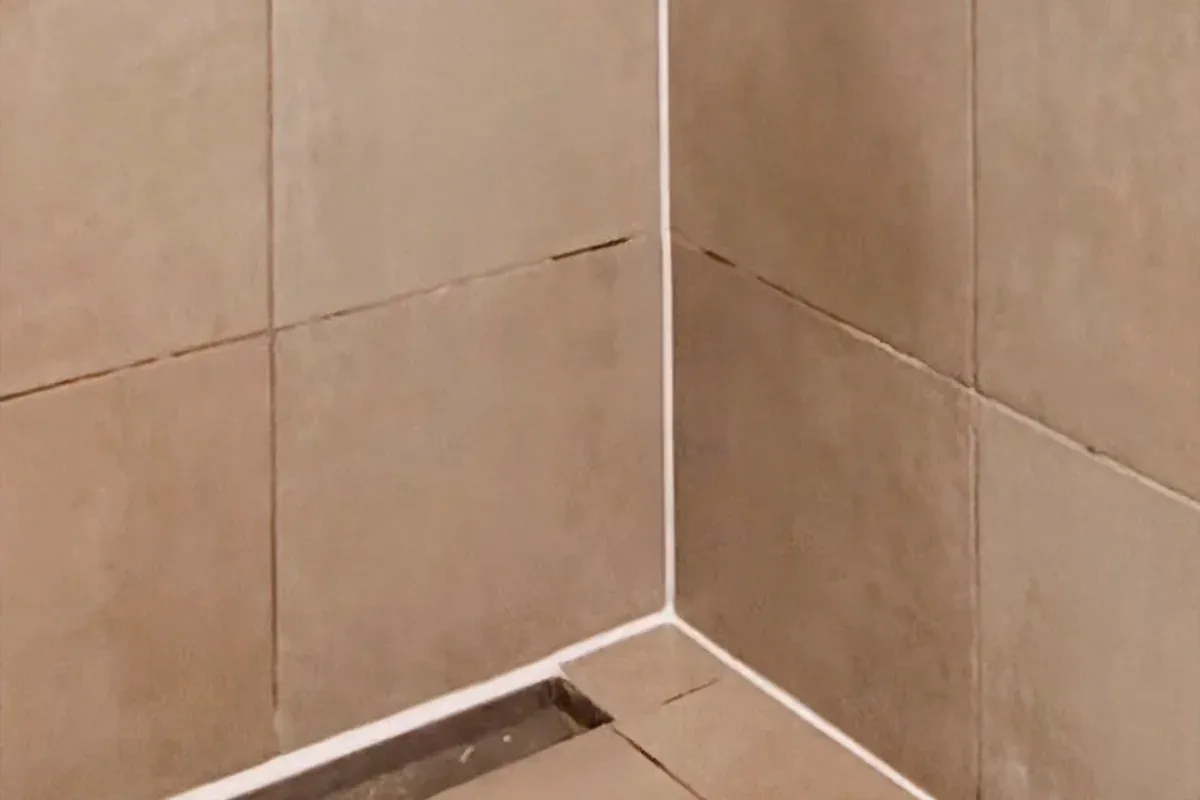
What to do when the edge of a bead starts lifting
Find how far the separation extends under the bead and whether the surface is dry. That guides how much to remove.
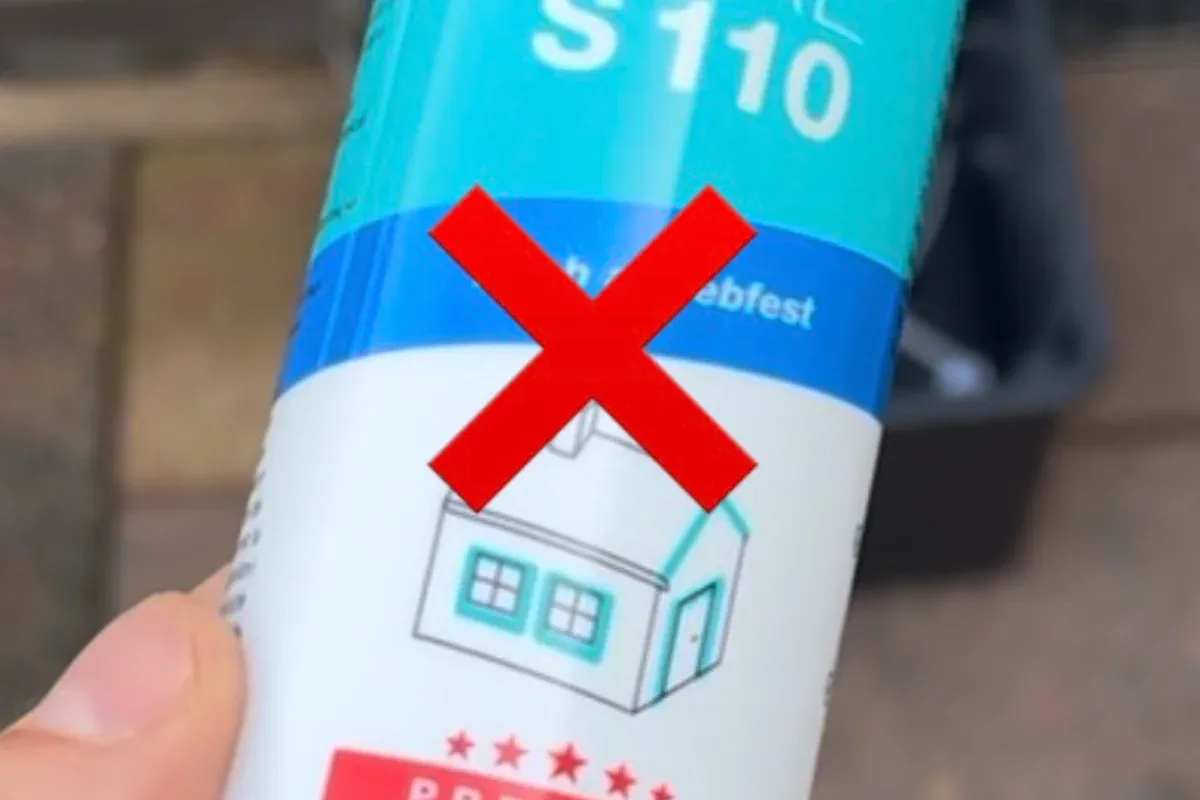
Which gaps at home should you seal or leave open?
Classify the opening as a fixed joint, moving part, vent or drain. Then decide on the finish.
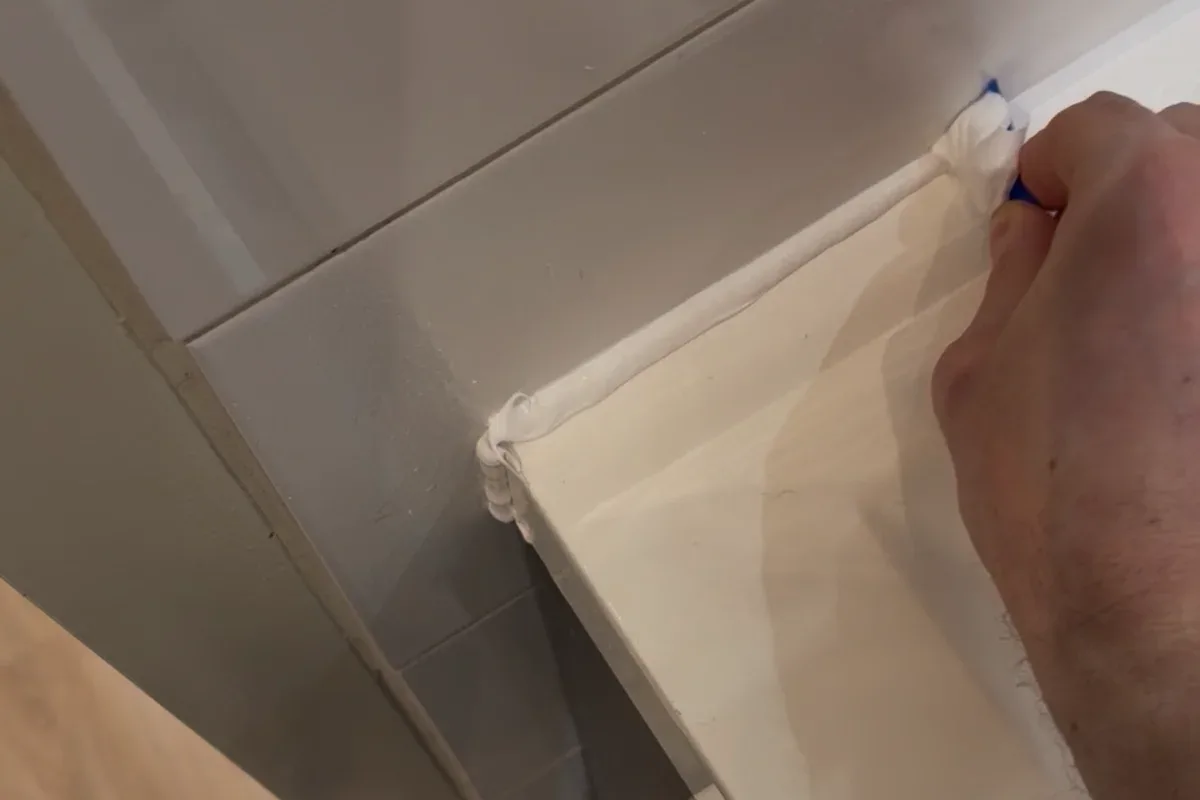
When is a newly built bathroom ready for sealing?
Check substrate drying and the fitting sequence with the installer. The handover date alone does not establish readiness.
Which joints should you check before moving home?
Walk through the bathroom, kitchen and windows. Record lifting edges, movement and water marks separately.
A damp patch after a shower: what to record
Photograph the spot, note when it appears and check whether tap or drain use triggers it before cutting out the bead.
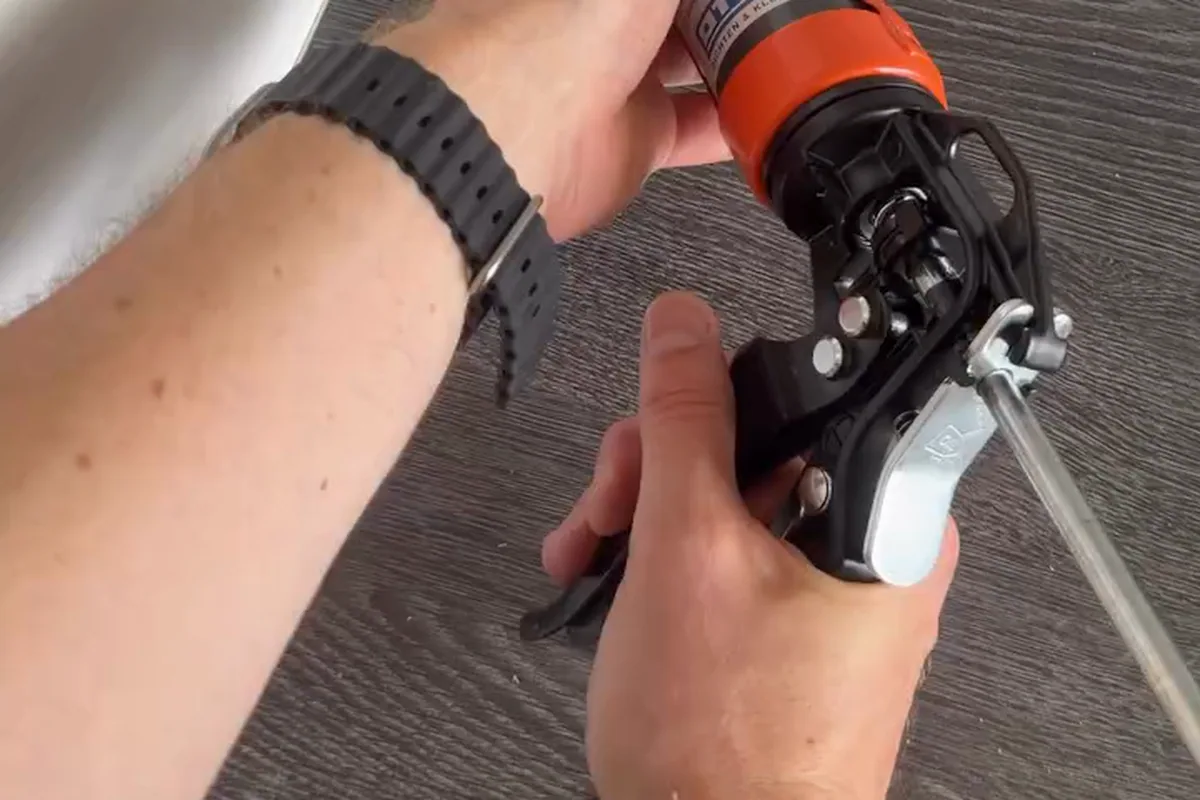
Manual or cordless sealant gun: compare starts and stops
Try both with the same cartridge and nozzle. Compare control at the first corner and when you stop the bead.
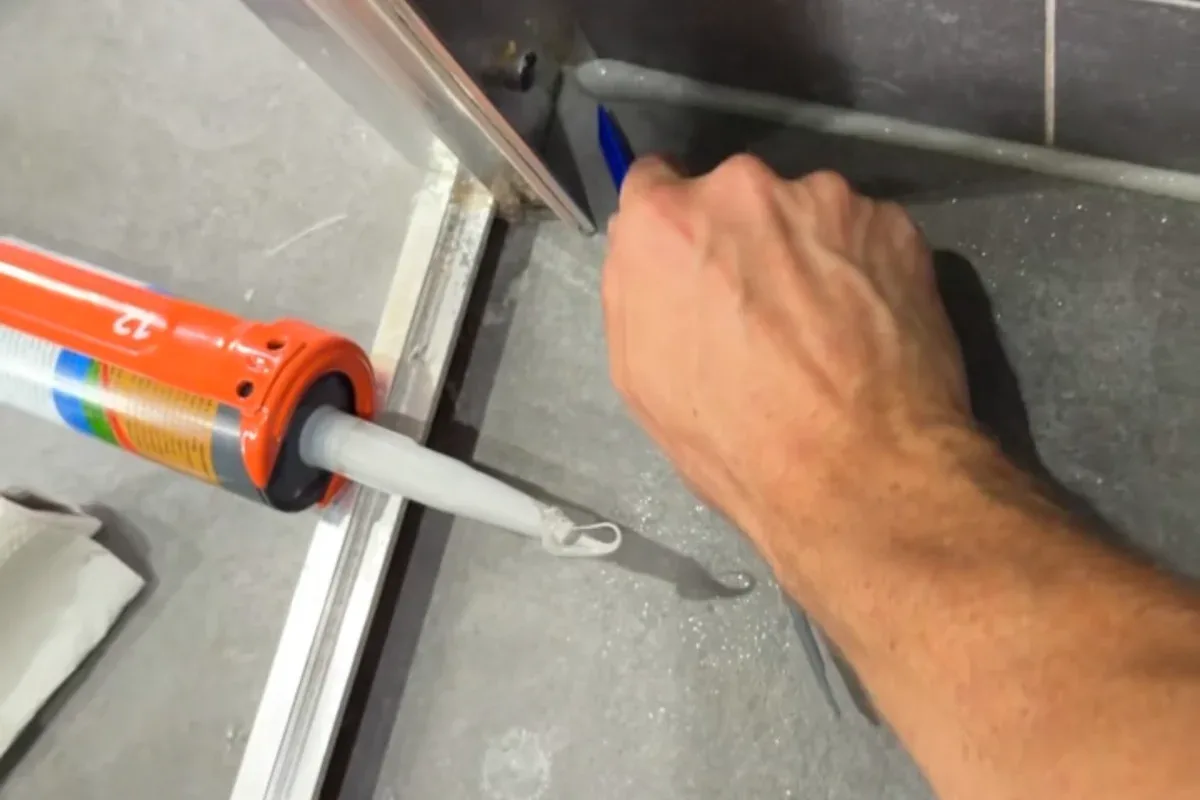
When does a drain detail call for a two-part sealant?
Identify the component and the system detail first. A visible bead cannot replace a fixing or membrane.
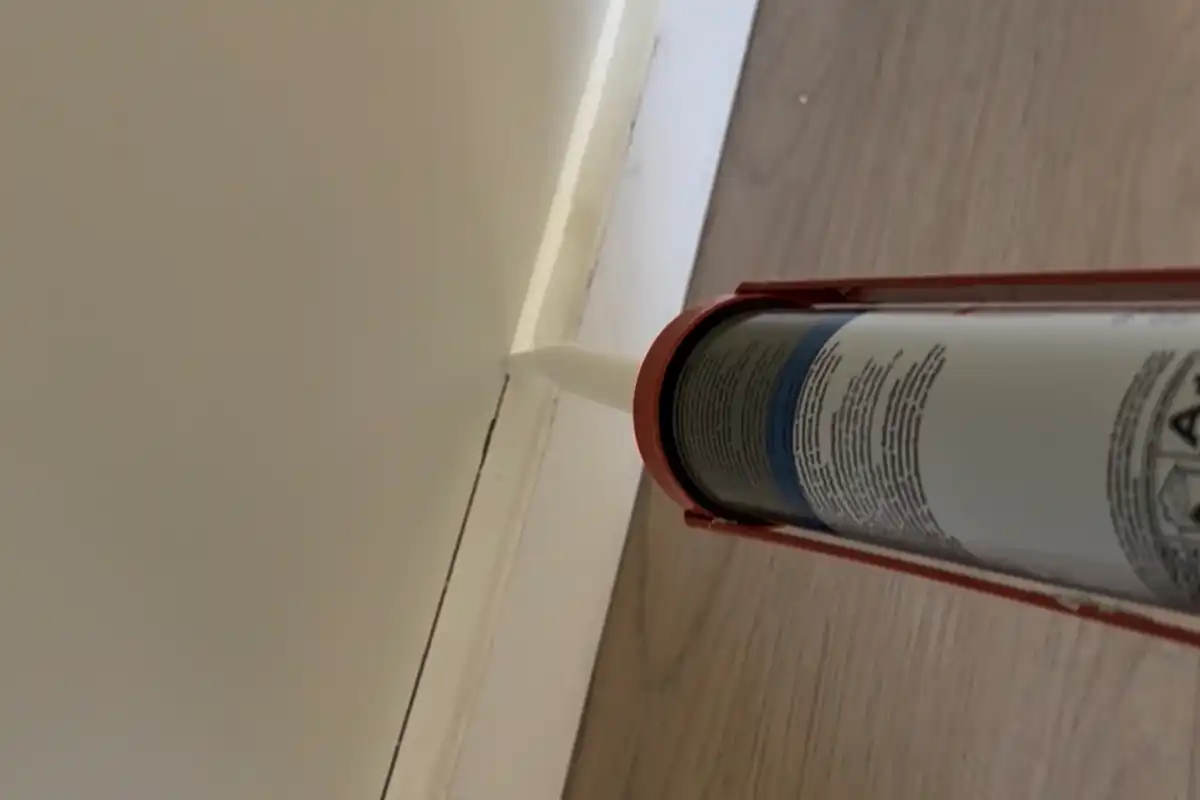
How to compare sealant quotes per metre
Compare preparation, removal, access and materials for the same length. A metre price alone tells you little.
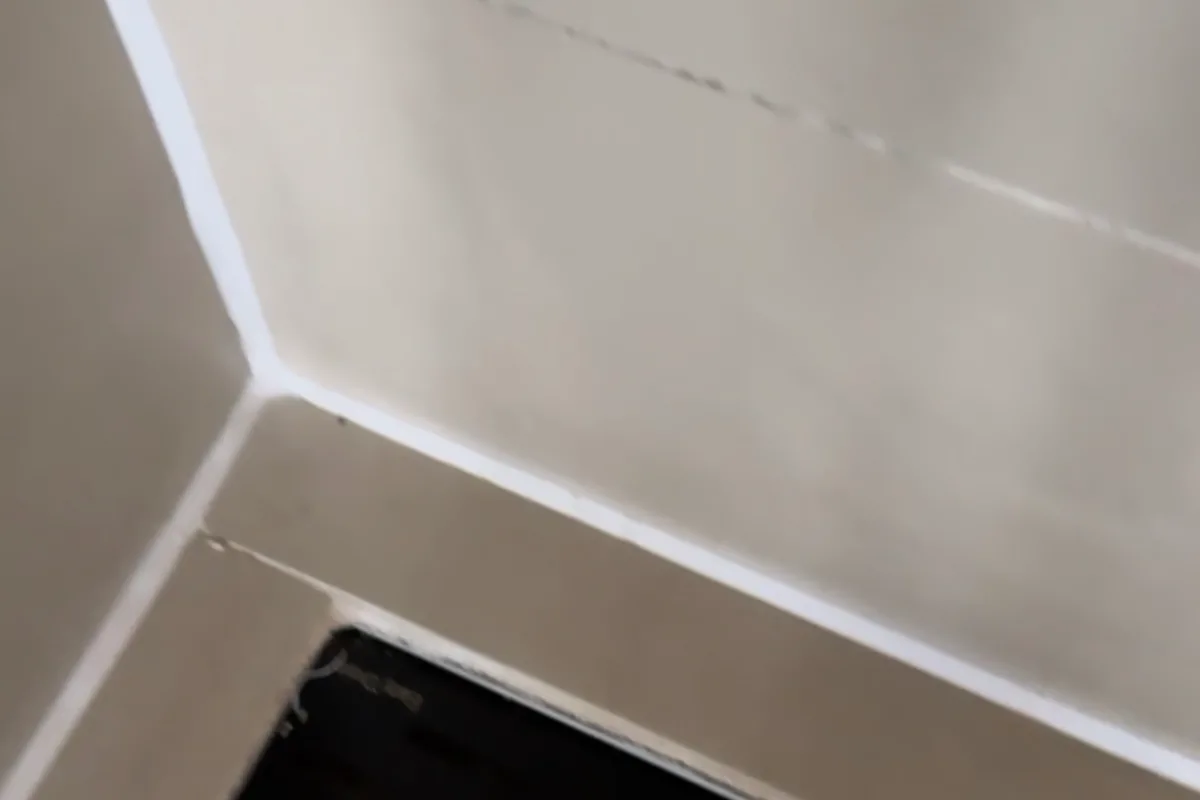
Odour when sealing: how to plan ventilation
Read the cartridge information and arrange ventilation before starting. Smell alone does not measure emissions.
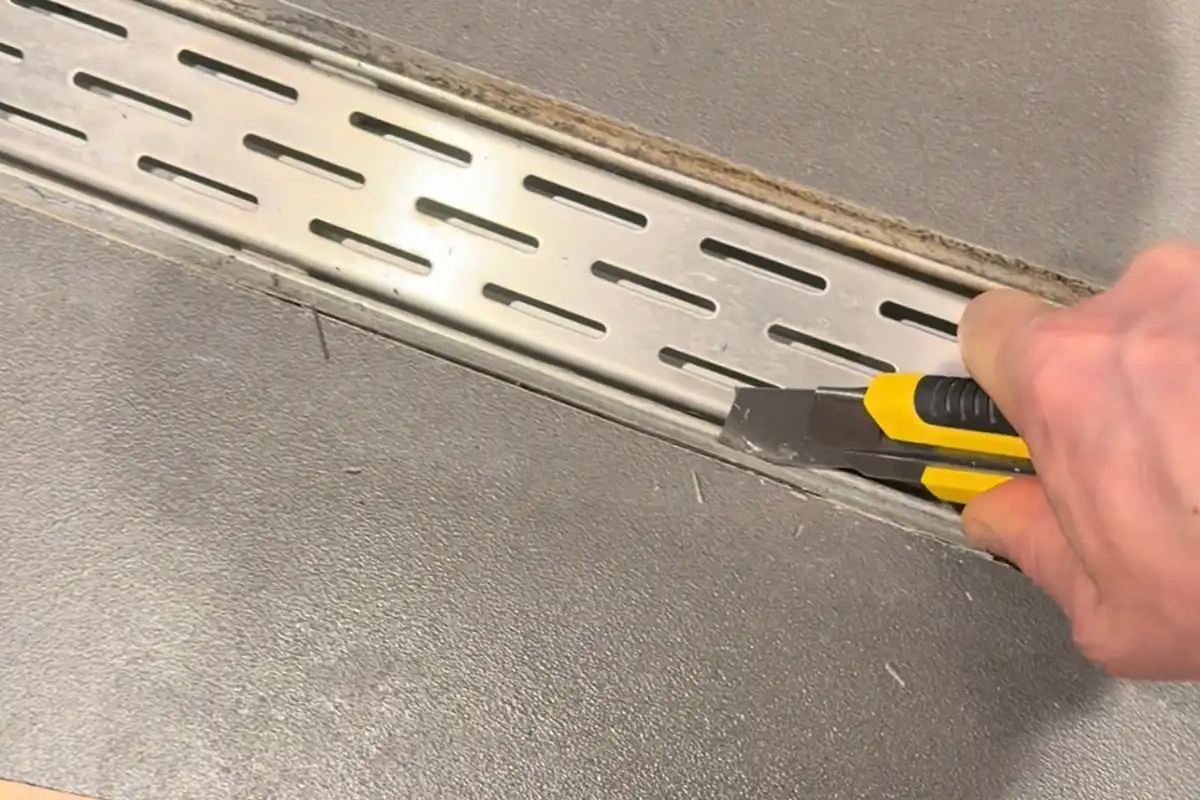
When is resealing a sensible DIY job?
Check access, stability and where the water comes from. If you find damage behind the bead, address the cause first.
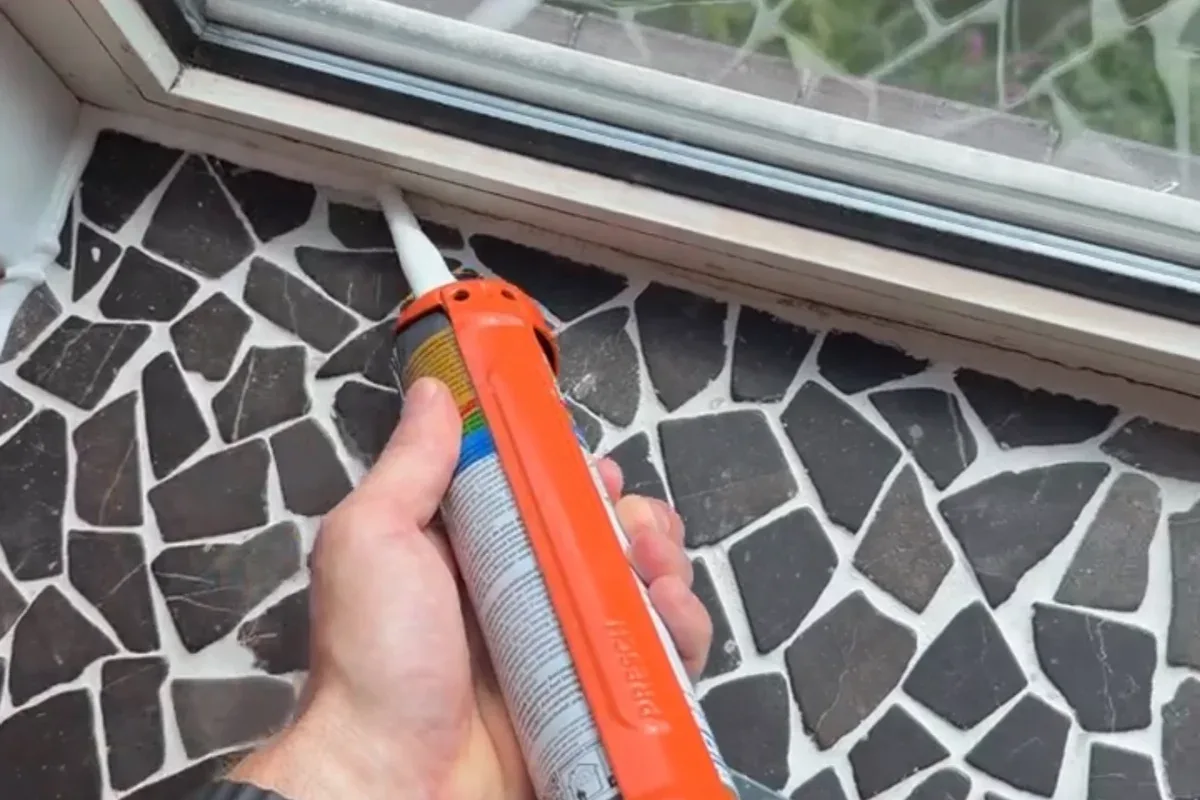
Where is the draught coming from around a closed window?
Check the opening sash separately from the fixed wall joint. That distinguishes a closing problem from a perimeter gap.
Two sanitary silicones: how to compare the cartridges
Read each product’s surface chart, movement allowance and service conditions. The word “sanitary” alone cannot tell you those things.
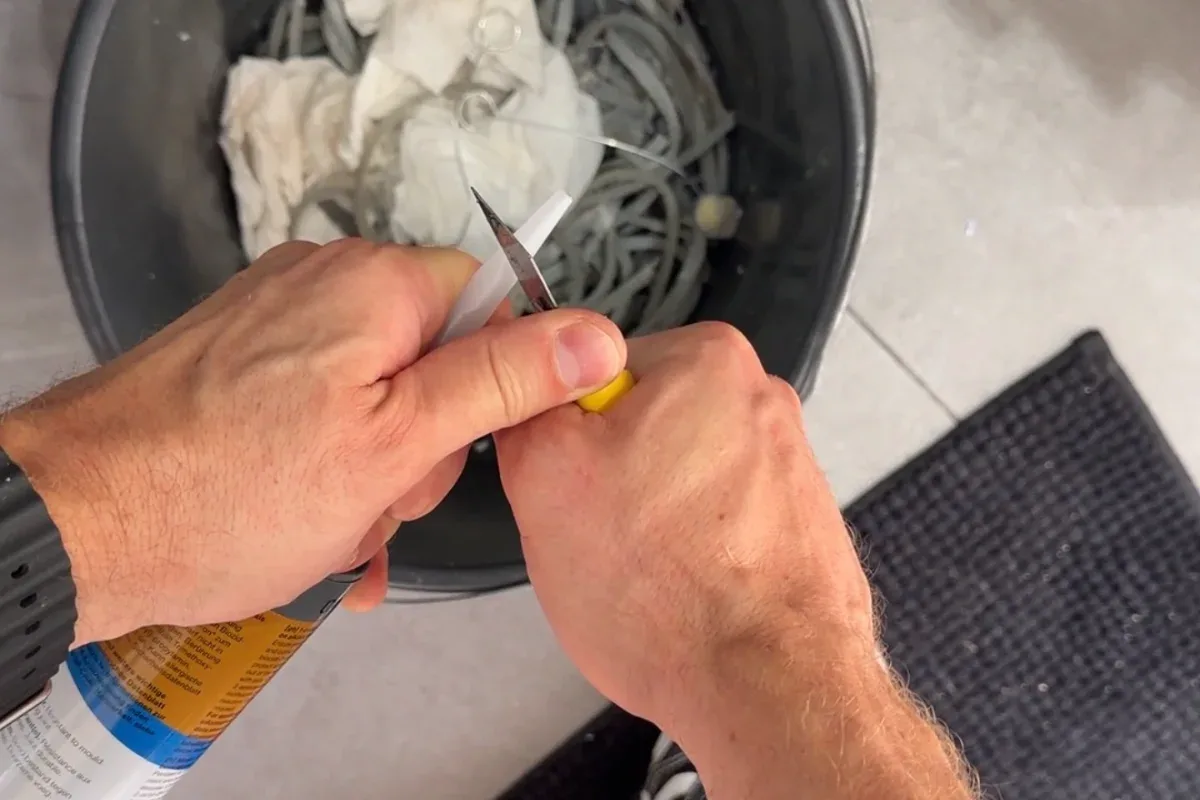
How to stop a sealant gun dripping
Release the trigger and relieve the pressure before lifting the nozzle. Practise the stop on cardboard first.
-
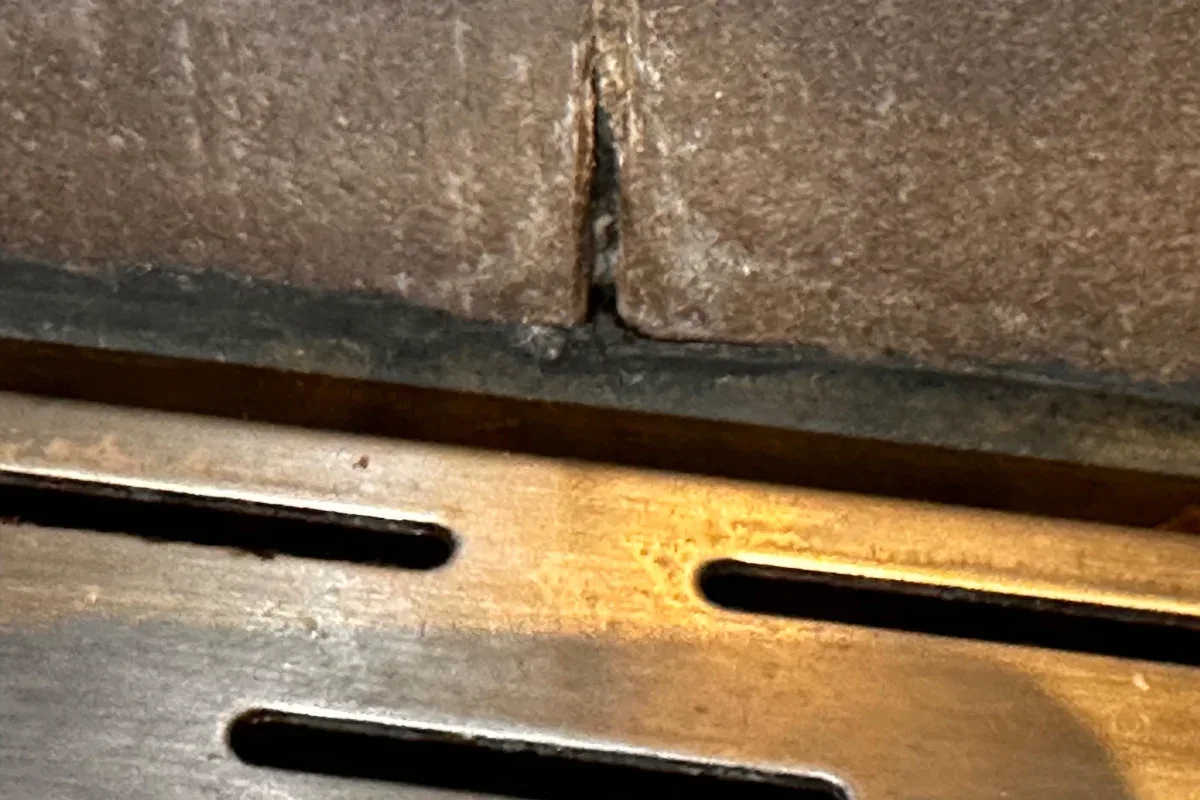
Why is a sealant bead hollow or ragged?
Look along the bead. Voids and torn edges can point to interrupted application or smoothing after a skin formed.
-
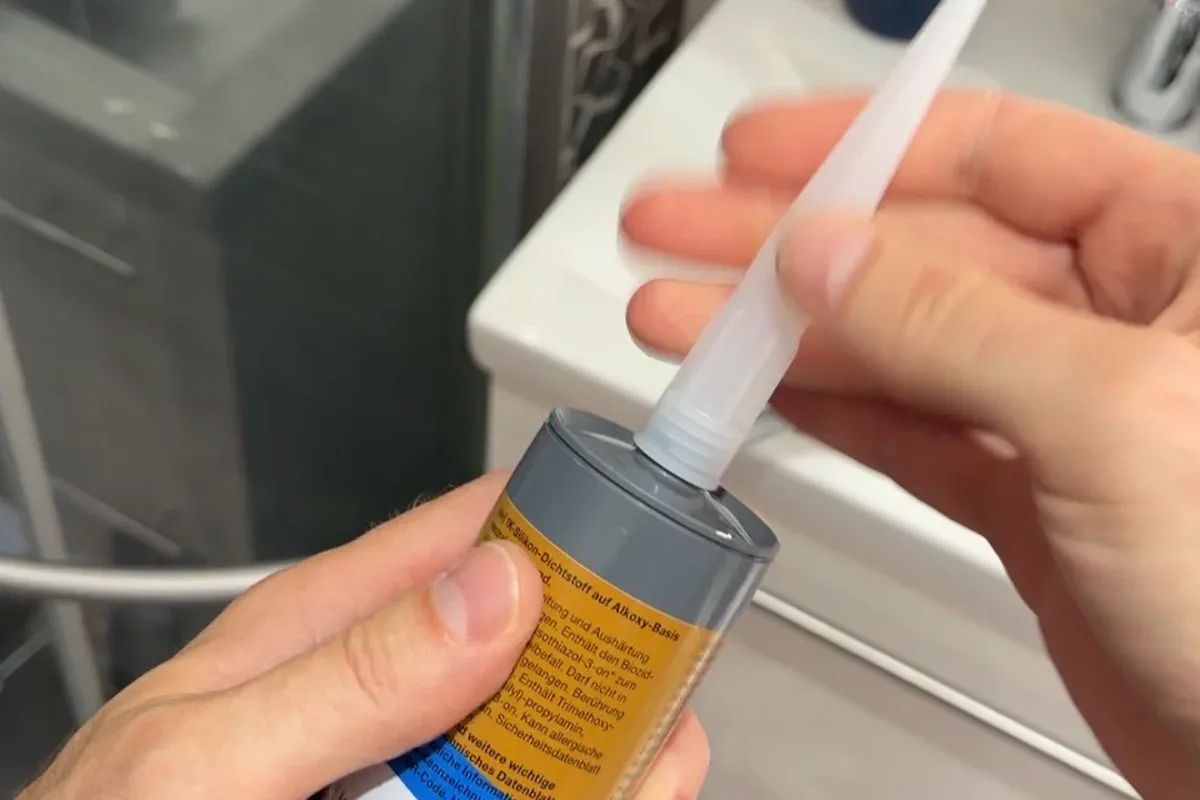
What to check when a shower tray moves
Check the support and movement under load before stripping out sealant. A new bead cannot stabilise the tray.
-
Neutral or acetoxy silicone: how to choose
Choose for compatibility with both surfaces. The smell while curing cannot replace the application chart.
-
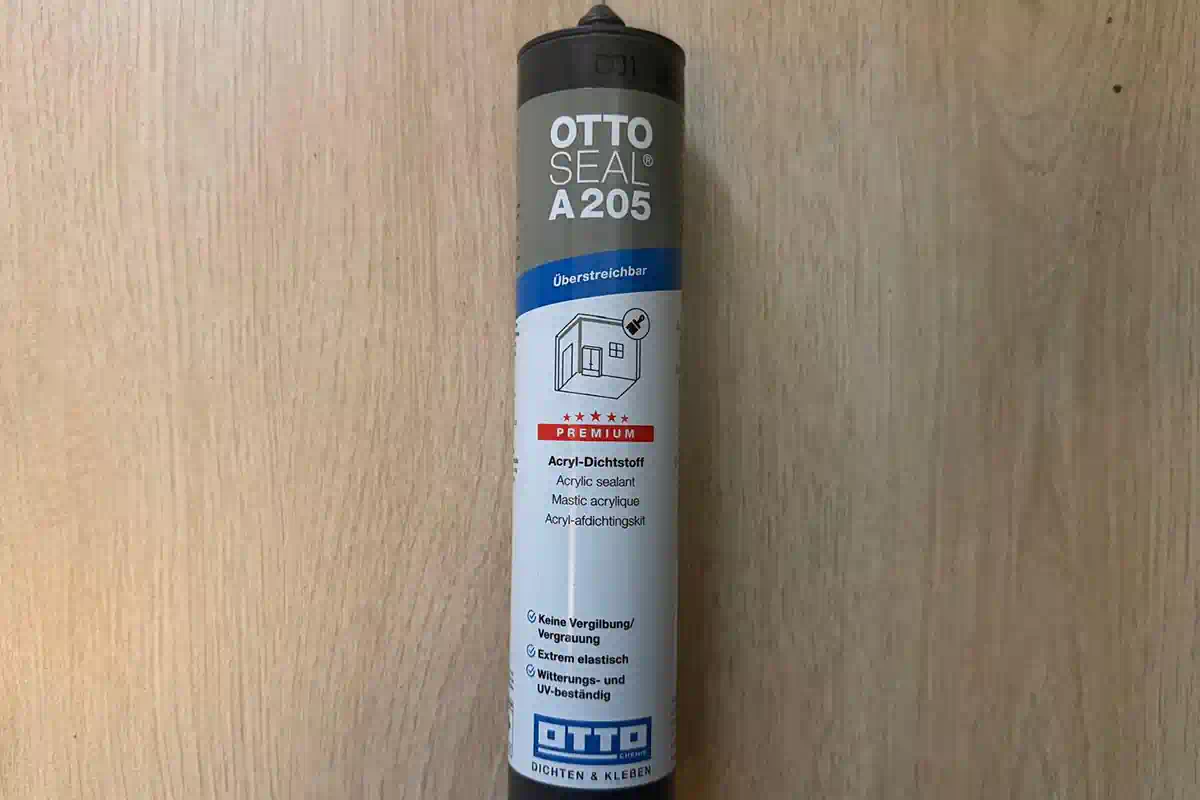
Where can acrylic caulk be used in a bathroom?
Distinguish painted trim in a dry area from a shower corner. Check the permitted exposure before choosing acrylic.
-
Grout or silicone in shower corners?
Distinguish joints between tiles from a change of plane between walls. Check how the junction is designed to move.
-
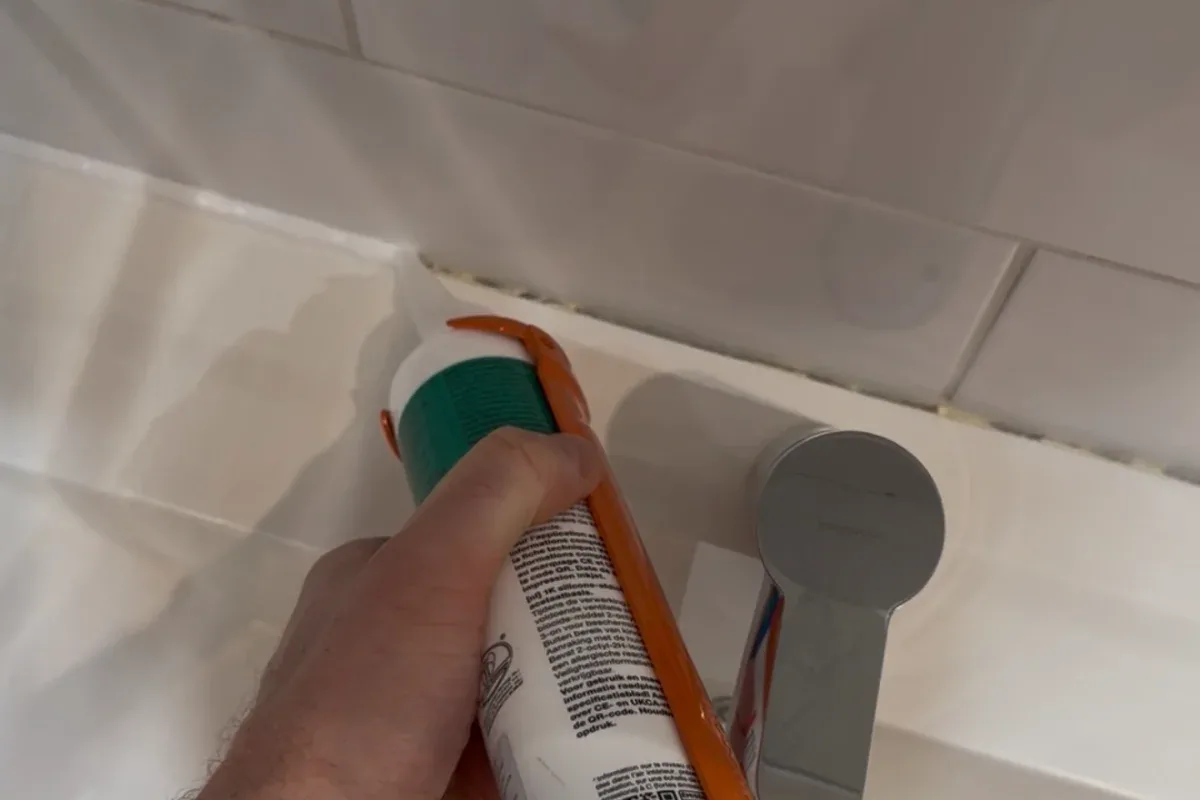
Can you put new silicone over old silicone?
Lift the loose edge to see how far the failure extends. Covering it leaves the new bead resting on the same failing surface.
-
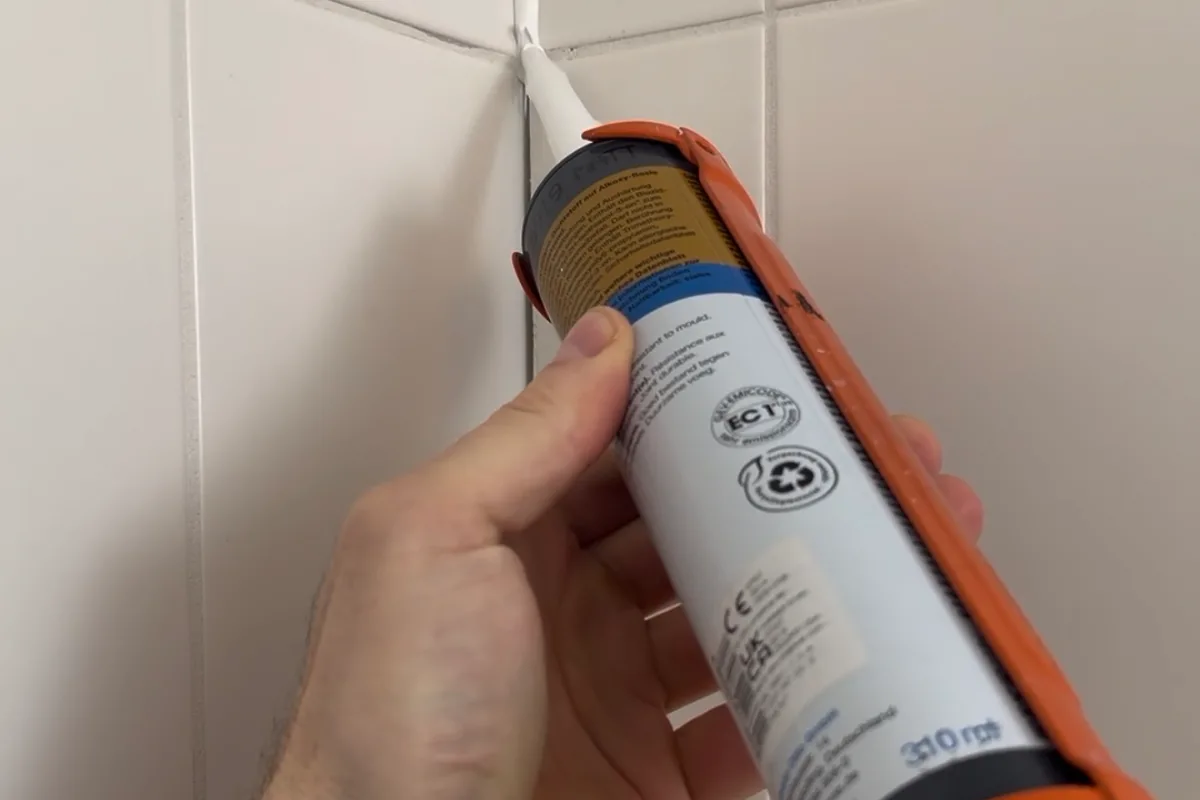
Can you paint silicone sealant?
Check that the specific sealant accepts paint and try the combination on an offcut. For a shower bead, choose the cartridge colour.
-
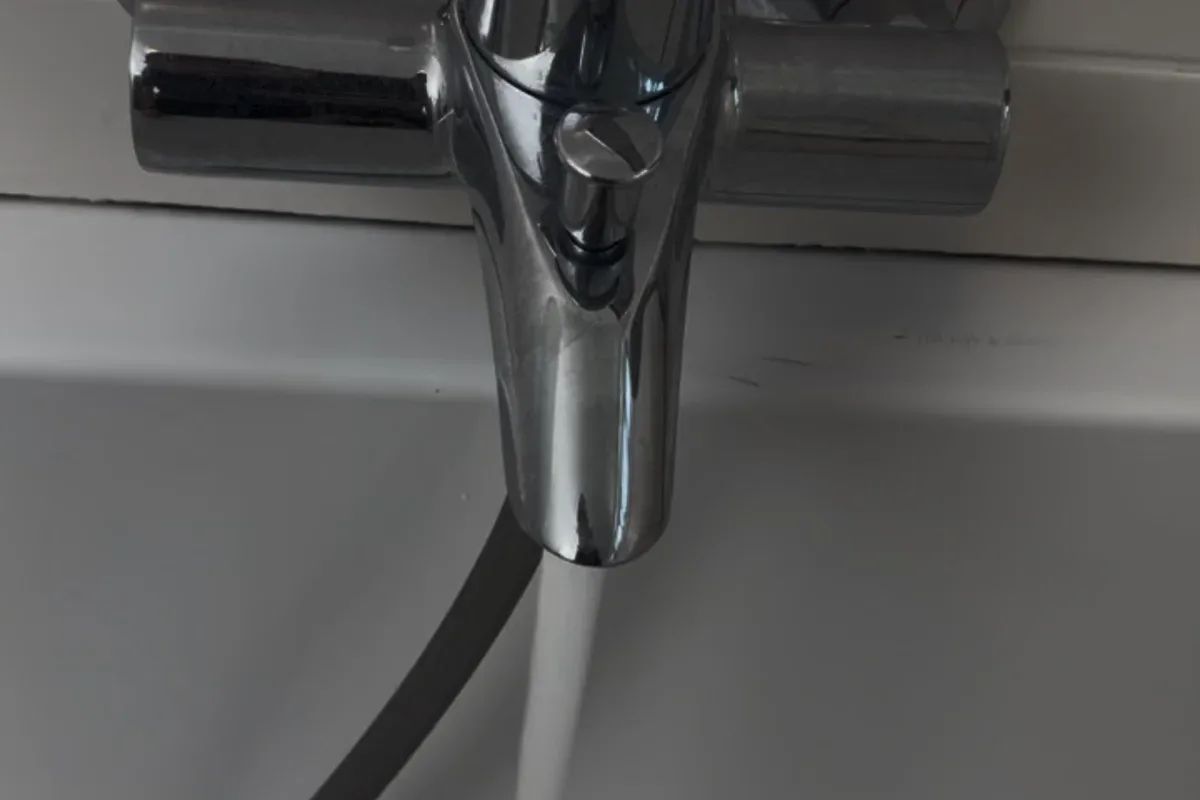
Should you fill a bath before sealing it?
Check the bath supports and the fitting instructions for sealing under load. Fix any rocking before starting the joint.
-
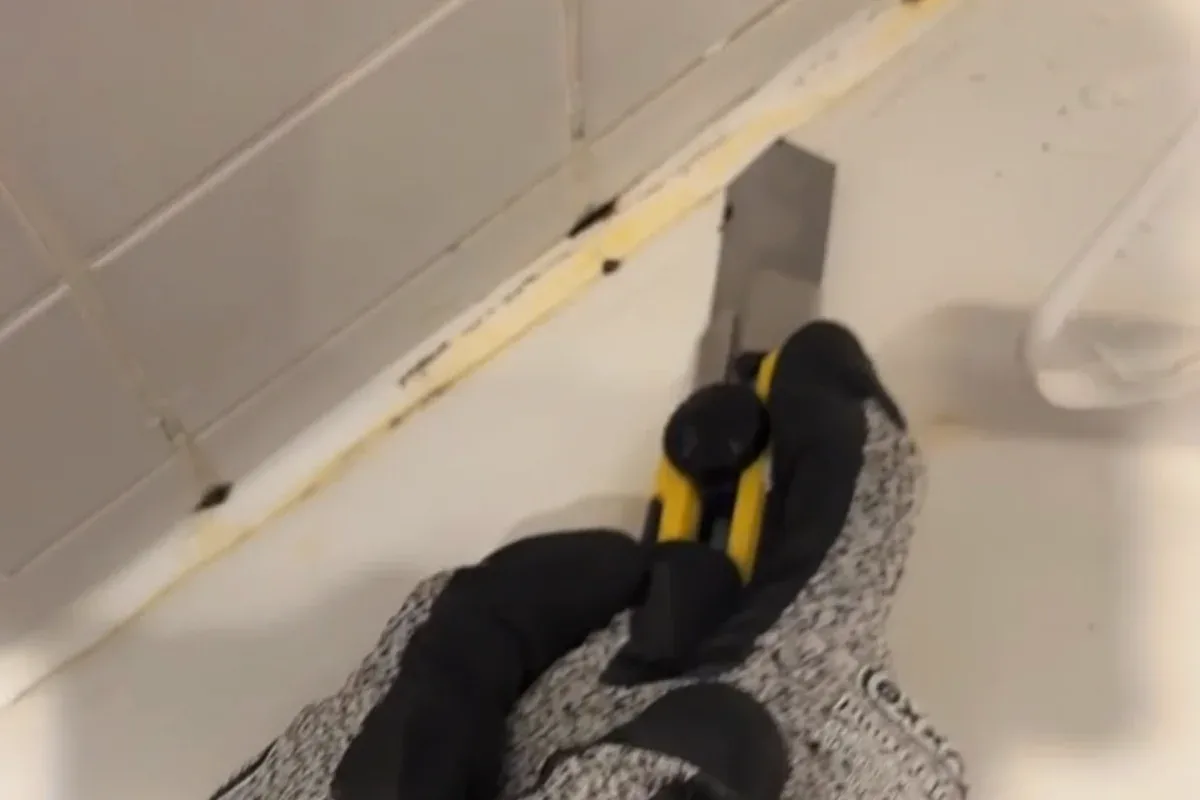
How to seal around a floor-mounted toilet
Check the fixing and flush for leaks first. Finish the visible edge only when the pan is stable and the waste connection is sound.
-
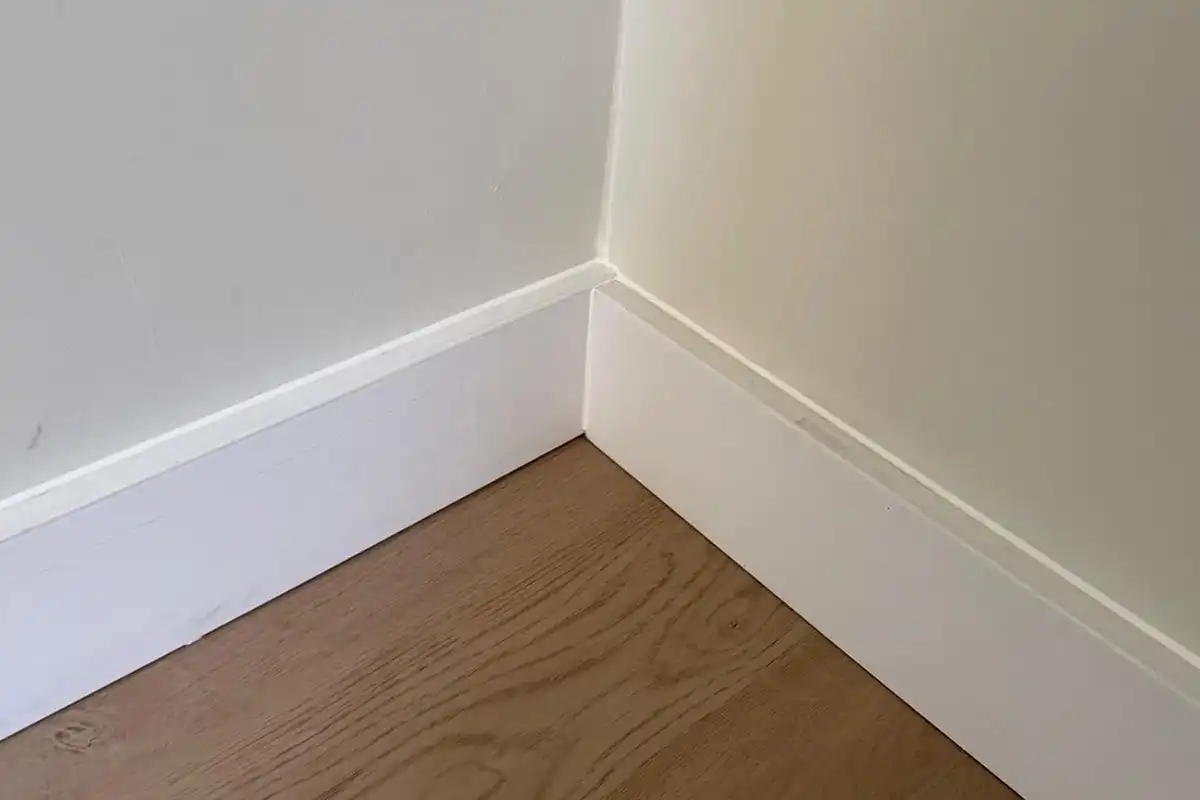
A gap between the skirting board and floor: should you fill it?
First decide whether it is a fixed trim joint or an expansion space for a floating floor. The two need different treatment.
-
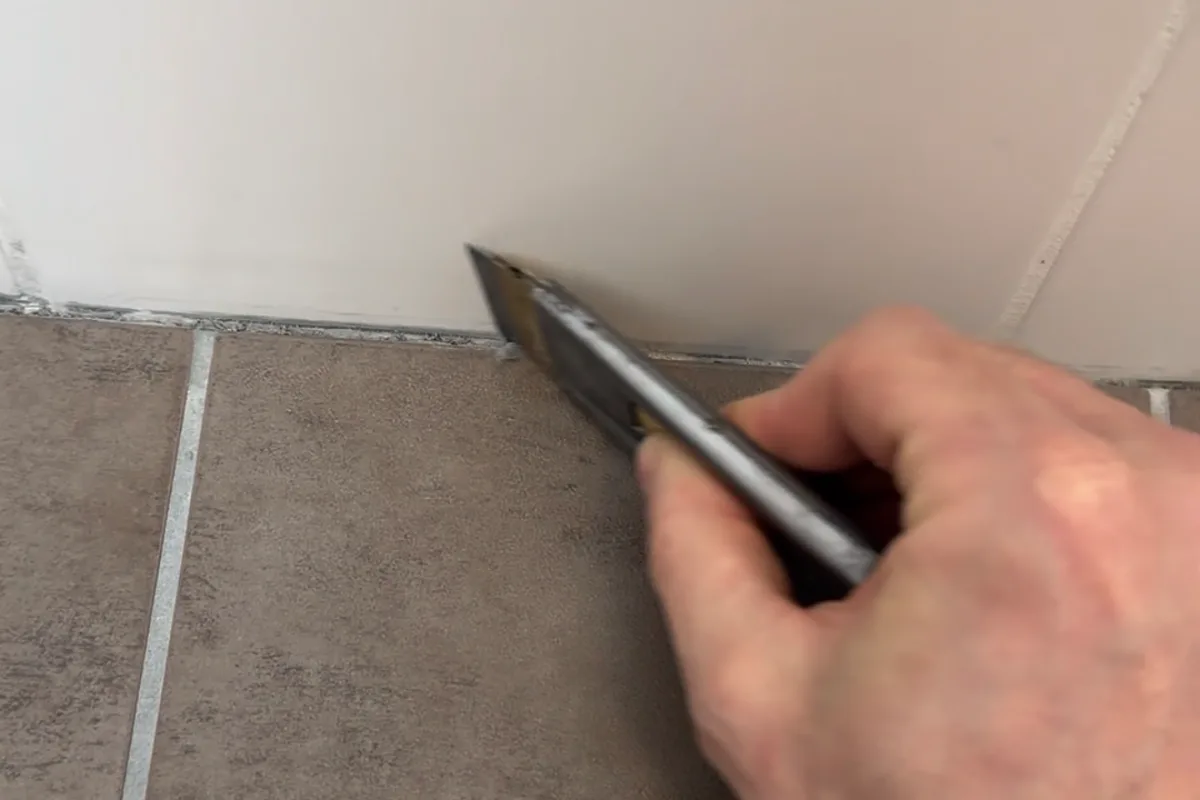
How to remove silicone residue from tiles, glass and fabric
Distinguish a thin smear from a whole bead. Identify the surface finish before choosing how to lift the residue.
-
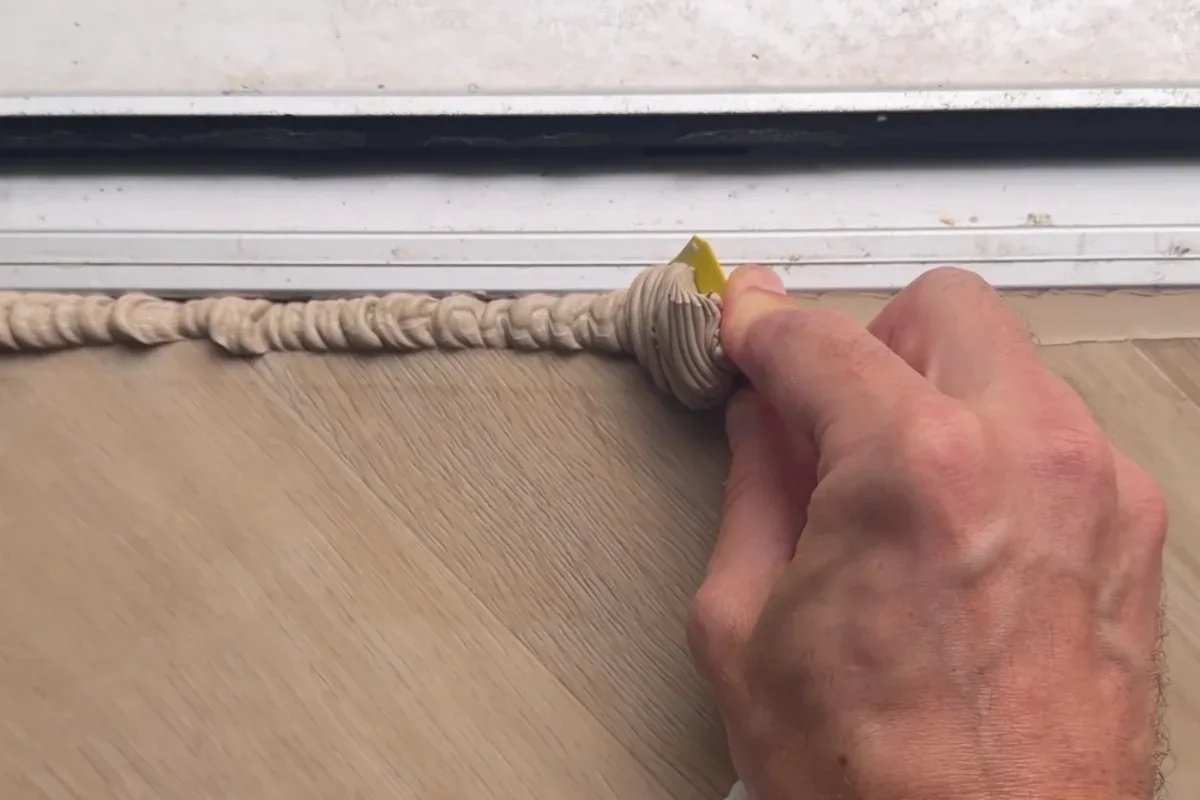
How deep should a sealant joint be?
Measure the section before cutting the nozzle. Where appropriate, control depth so the bead works on both sides.
-
How long does bathroom sealant last?
Check adhesion on both sides and look for standing water. Age alone tells you little about whether the bead needs replacing.
-
How long does sealing a bathroom take?
Allow time to strip the old bead, prepare and apply the new one, then wait before wetting it. The last interval depends on the sealant.
-
How far will one cartridge of sealant go?
Measure width and depth in several places. A deep joint uses more material than a narrow bead of the same length.
-
How to spot a poor sealant joint
Inspect the edges, breaks and voids. A wavy line can be cosmetic. A lifting edge can admit water.
-
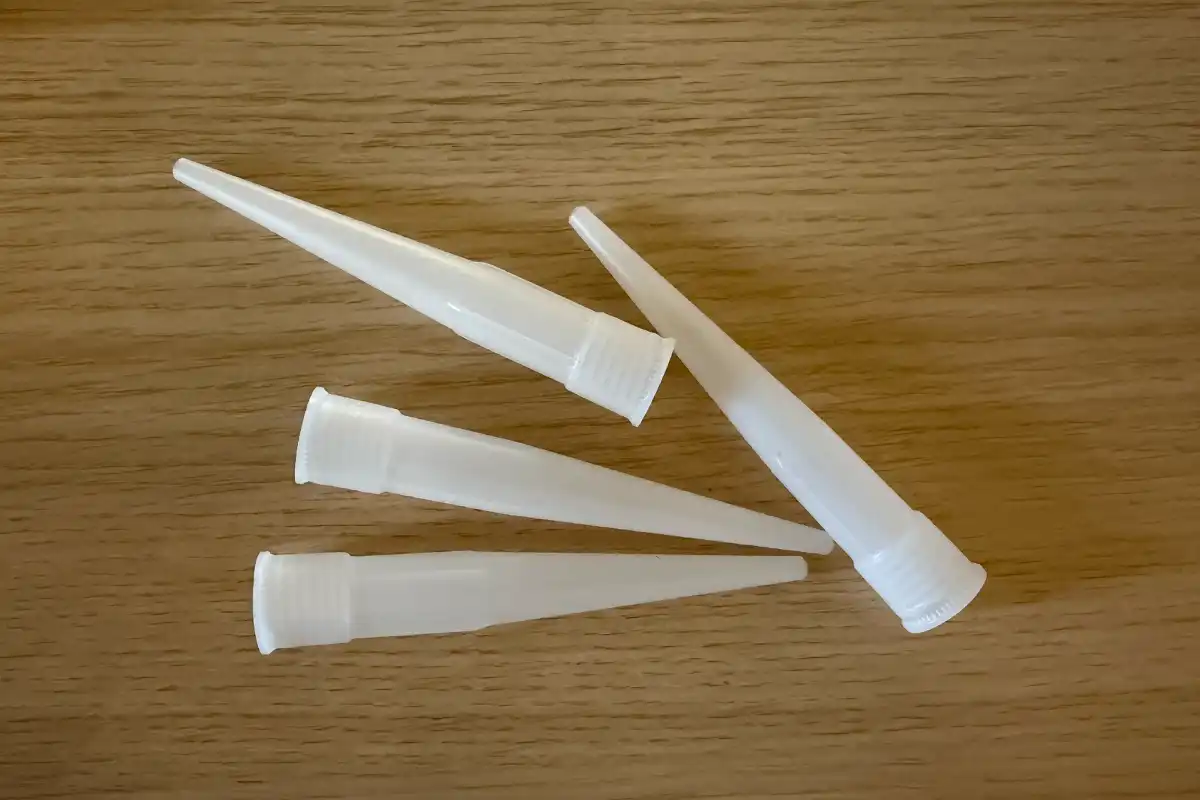
How wide should a sealant joint be?
Measure the narrowest and widest points. Compare both with the limits for those surfaces and the expected movement.
-
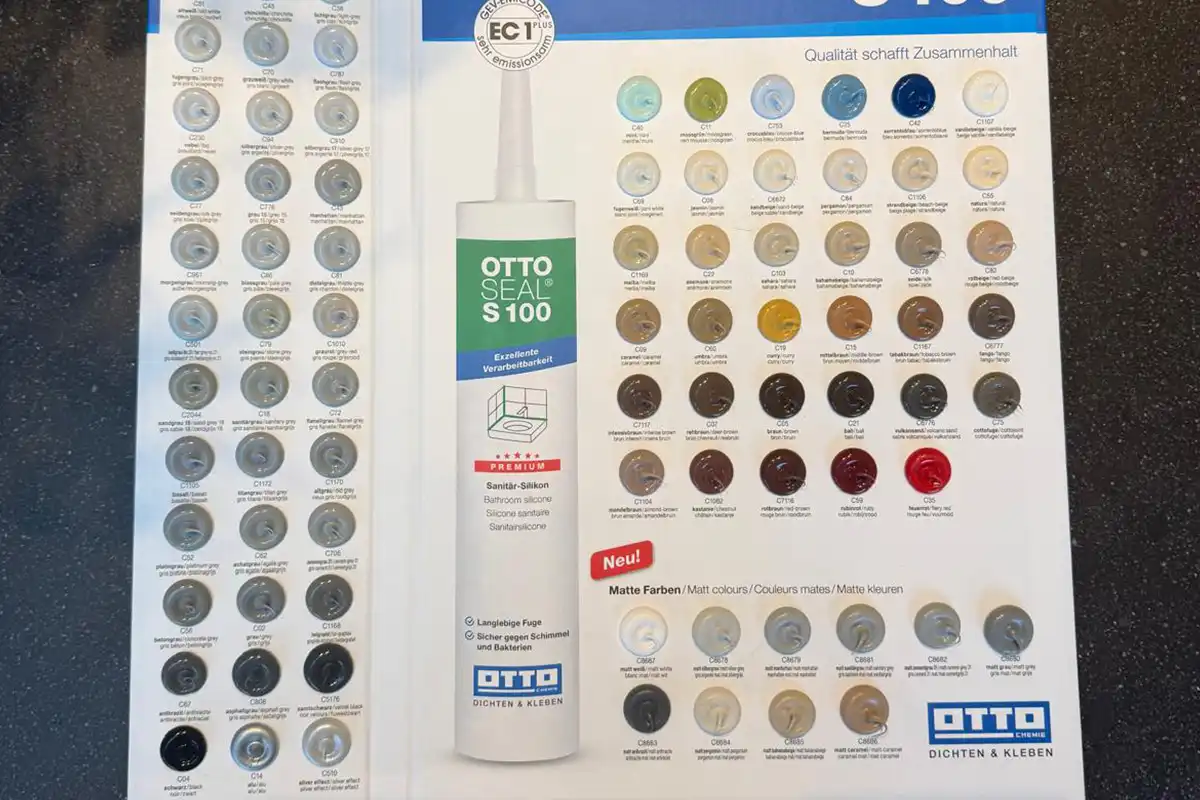
How to choose a sealant colour
Hold a cured sample against both the grout and the tile. Check it in daylight before choosing white, grey or translucent.
-
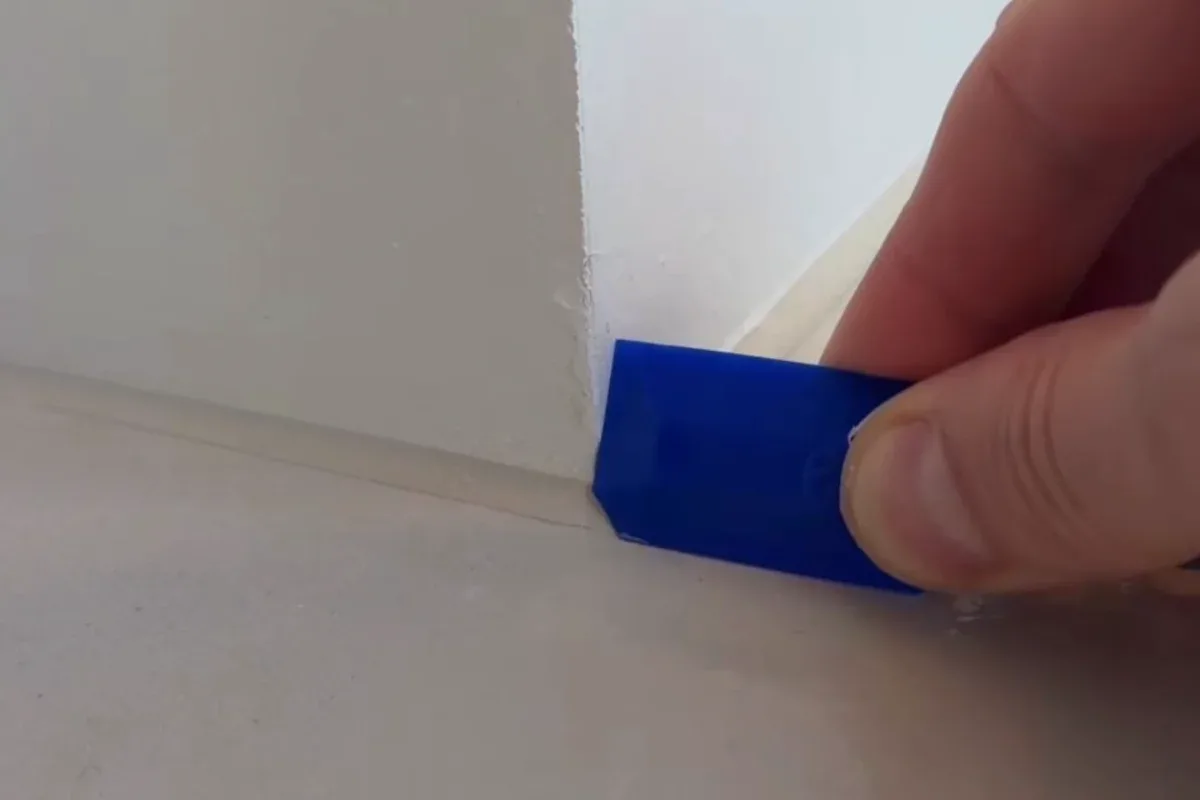
How to seal a sink to a worktop
Dry the cabinet and locate the first drop. If it comes from the trap or waste fitting, resealing the rim will not stop it.
-
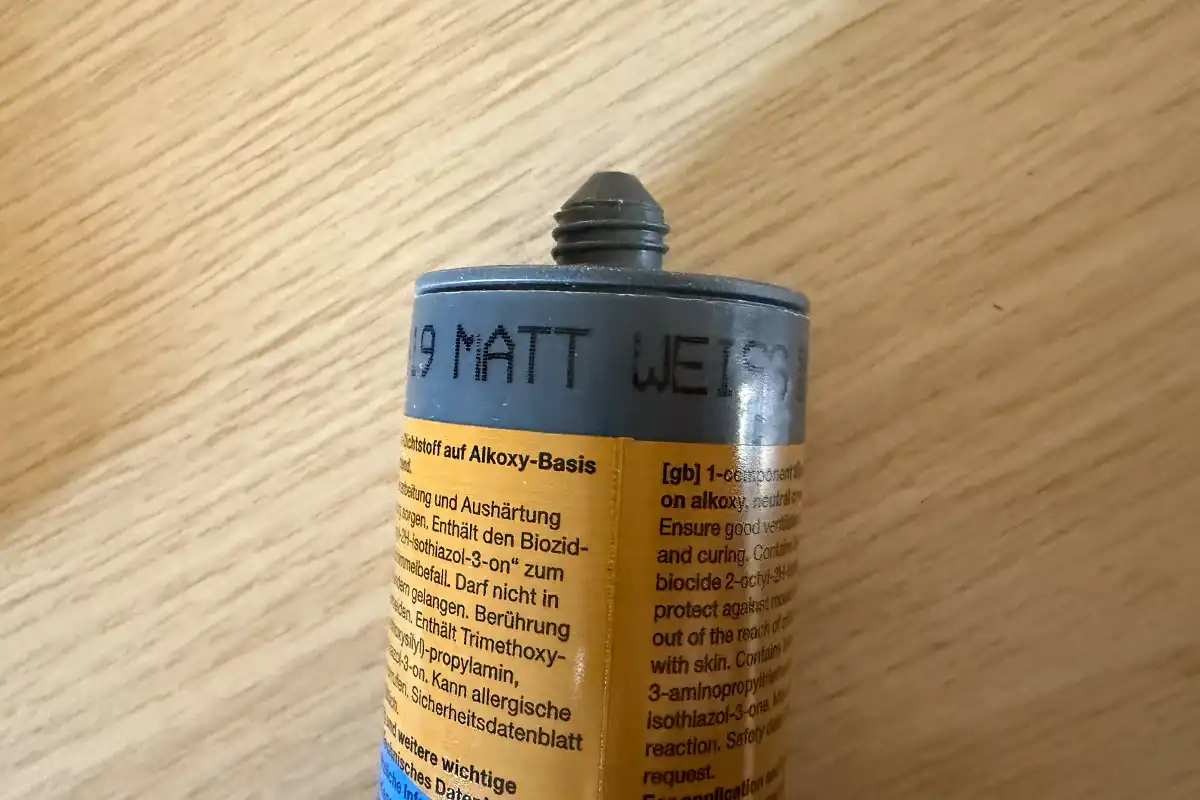
Choosing matt sealant for a concrete finish
Compare a cured sample against the floor in daylight. A glossy bead can stand out more than a slight difference in shade.
-
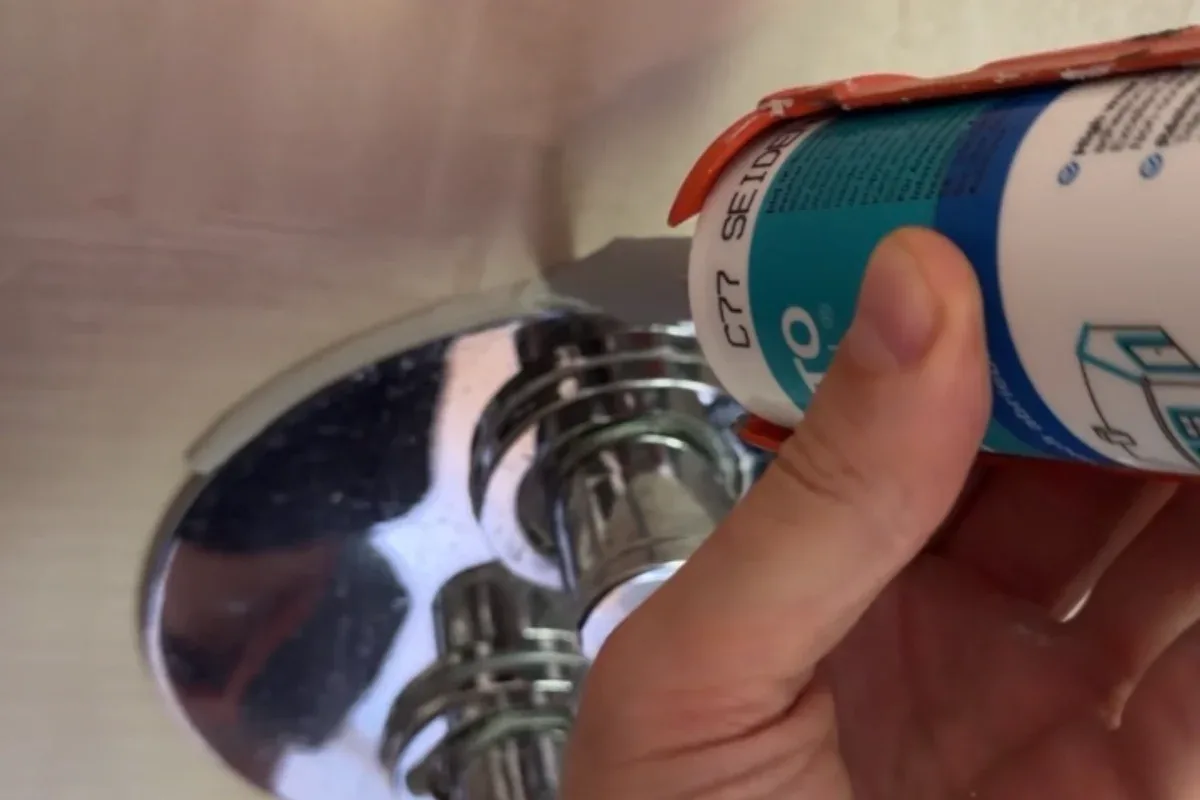
How to test sealant on microcement
Identify the topcoat and test the product in an inconspicuous spot. A mineral appearance does not identify the surface finish.
-
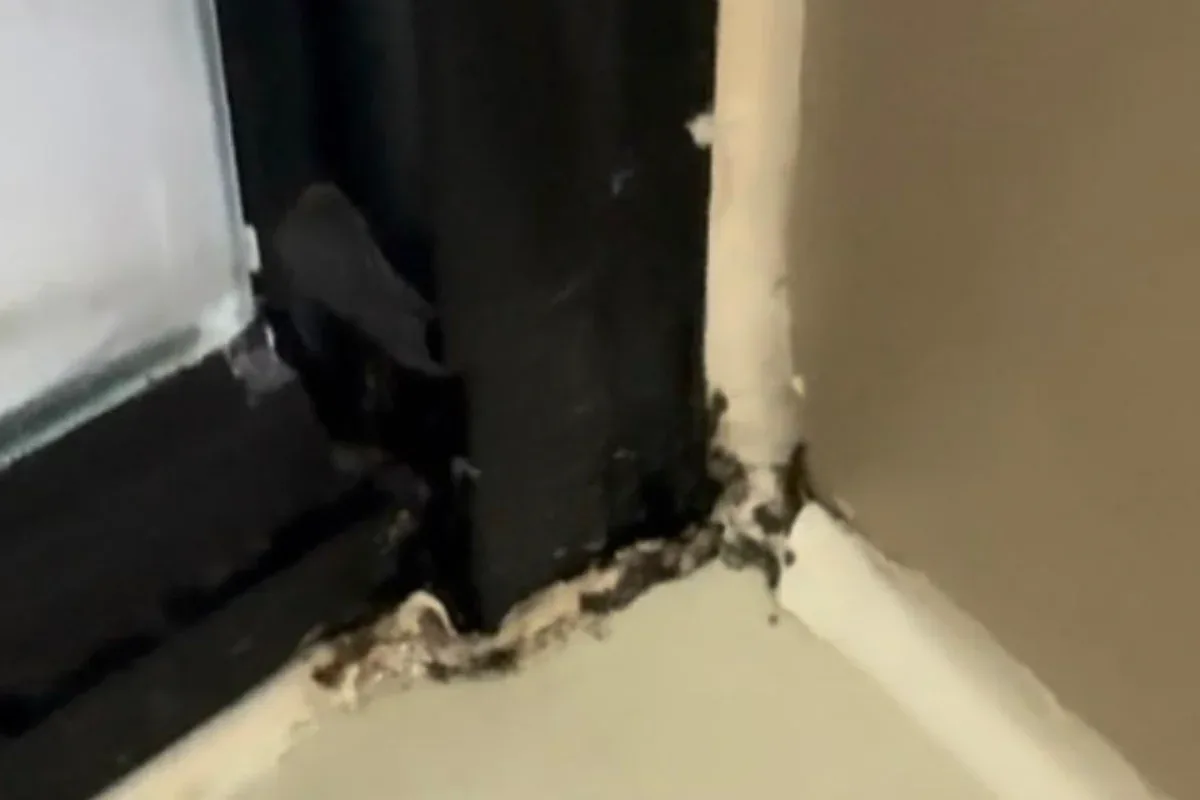
Mould in shower silicone: clean or replace?
Check whether the mark sits on the surface or inside the bead. If it keeps returning, inspect where water collects.
-
Movement joints in a tiled floor
Trace the joint and identify how the floor system allows movement. Rigid filler can crack again as the floor moves.
-
Why paint cracks over acrylic caulk
Check the painting interval, movement and paint compatibility. Test both products together before finishing the visible joint.
-
Cracked paint along a skirting board
Look for a split in the paint, the sealant or the board itself. Repainting only addresses the first of those problems.
-
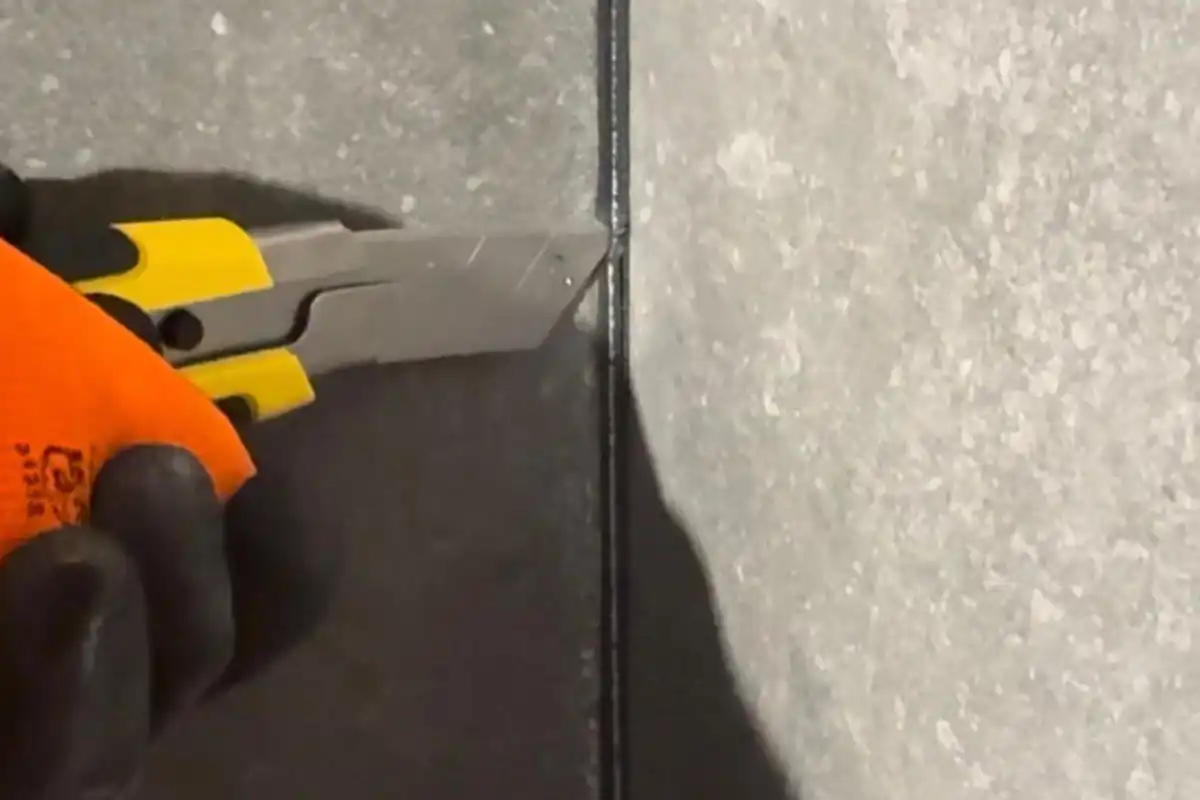
How to remove old silicone without damaging the surface
For a replacement joint, remove the bead and residue from both sides. A smear on glass or fabric calls for a different method.
-
When should you replace a sealant joint?
A discoloured bead and a lifting edge need different checks. Trace water behind a profile before cutting anything out.
-
Seal before or after painting?
Check whether the sealant accepts paint and when it can be coated. A sample lets you spot beading before painting the joint.
-
How to seal a shower tray and bathroom joints
Start where the tray meets the wall. The screen has a separate drainage path and its own fitting instructions.
-
Which silicone is suitable for marble and natural stone?
Test the sealant and smoothing agent on the actual stone. Inspect the edges after curing before working on the visible piece.
-
Choosing a sealant for outdoor joints
Check sun, rain, movement and adhesion to both materials before choosing a cartridge.
-
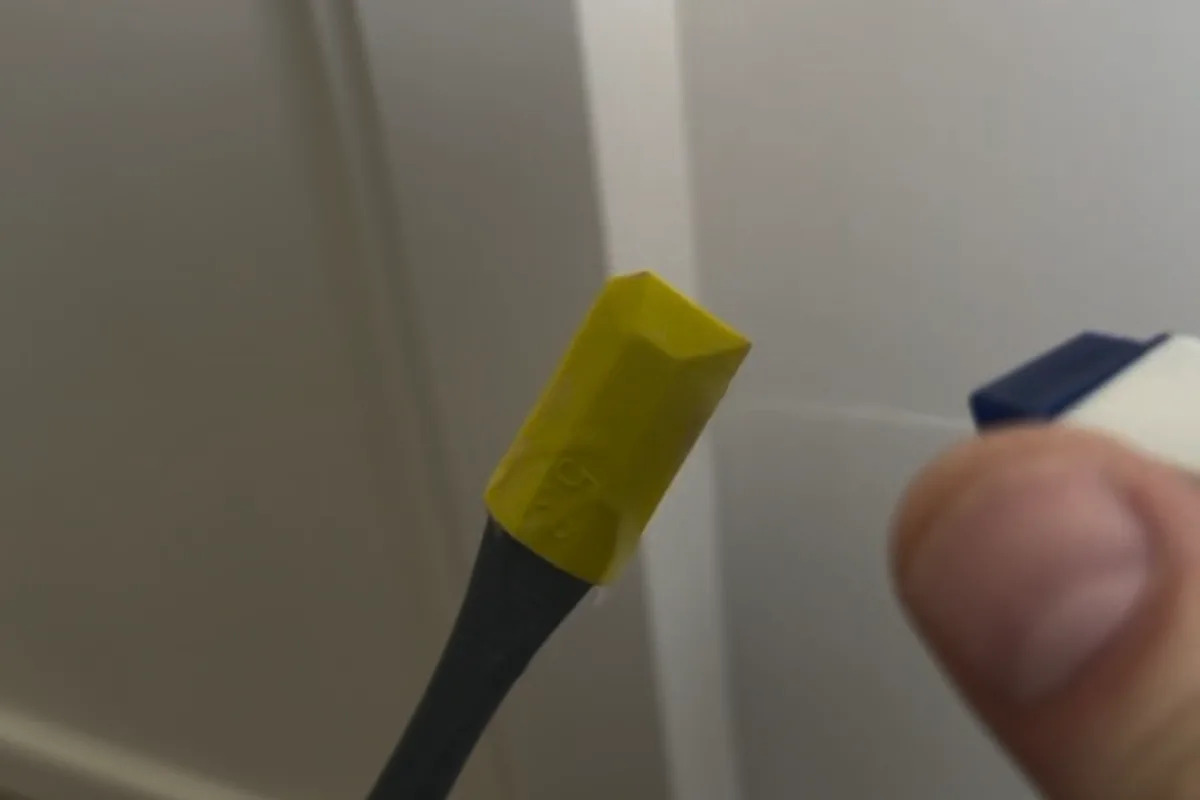
How to seal the worktop-to-wall joint
Identify the fixed edge and the worktop material. Check appliance instructions separately for a hob.
-
Where to seal around a shower drain
Separate the visible joint beside the channel from the pipe connection and waterproofing below.
-
Seal a shower screen inside or outside?
Trace the water through the frame. Your model’s installation drawing identifies the side to seal and the outlets to leave open.
-
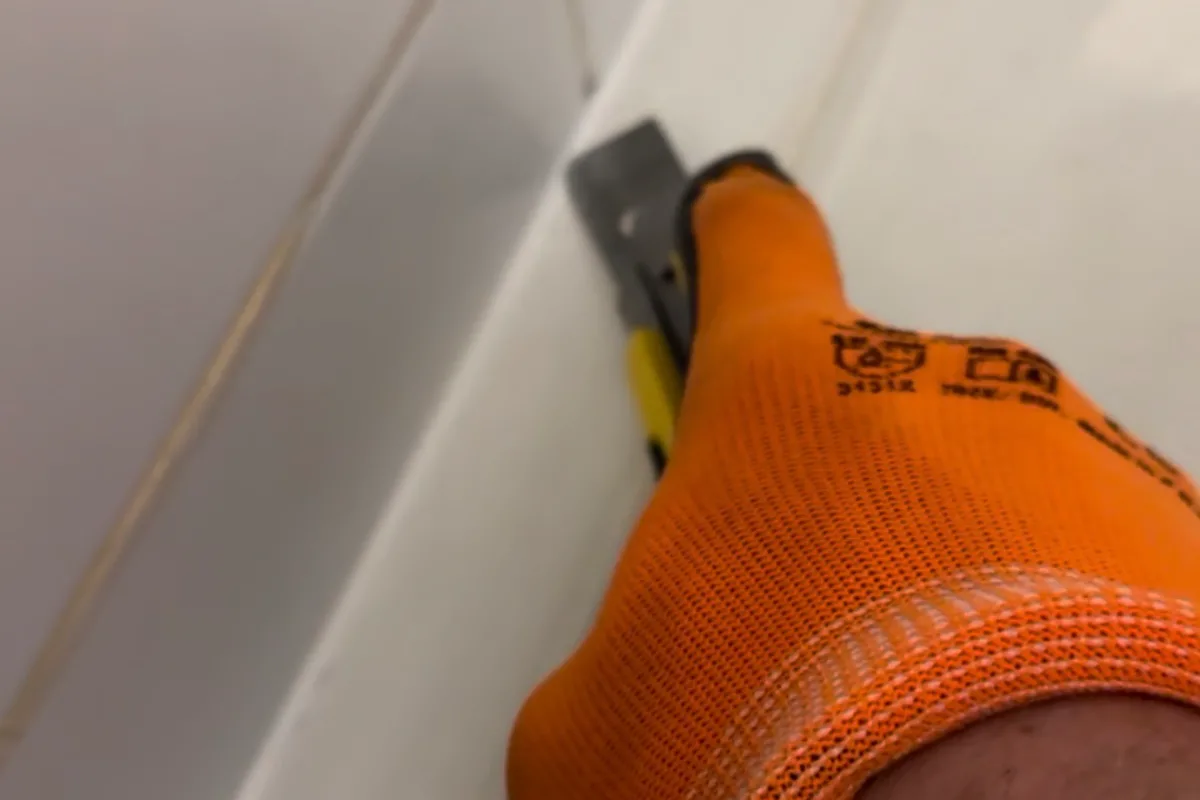
Silicone or acrylic: which fits the joint?
Decide whether the joint must accept paint, water or movement. Those answers narrow the choice before you open the cartridge.
-
Where to seal around a tap and basin
Identify the tap base, basin edge and waste fitting. Check which parts already have their own mounting gasket.
-
Why silicone peels off a shower tray
Check whether the edge has lost adhesion or the tray itself moves under load. A moving tray needs its support checked.
-
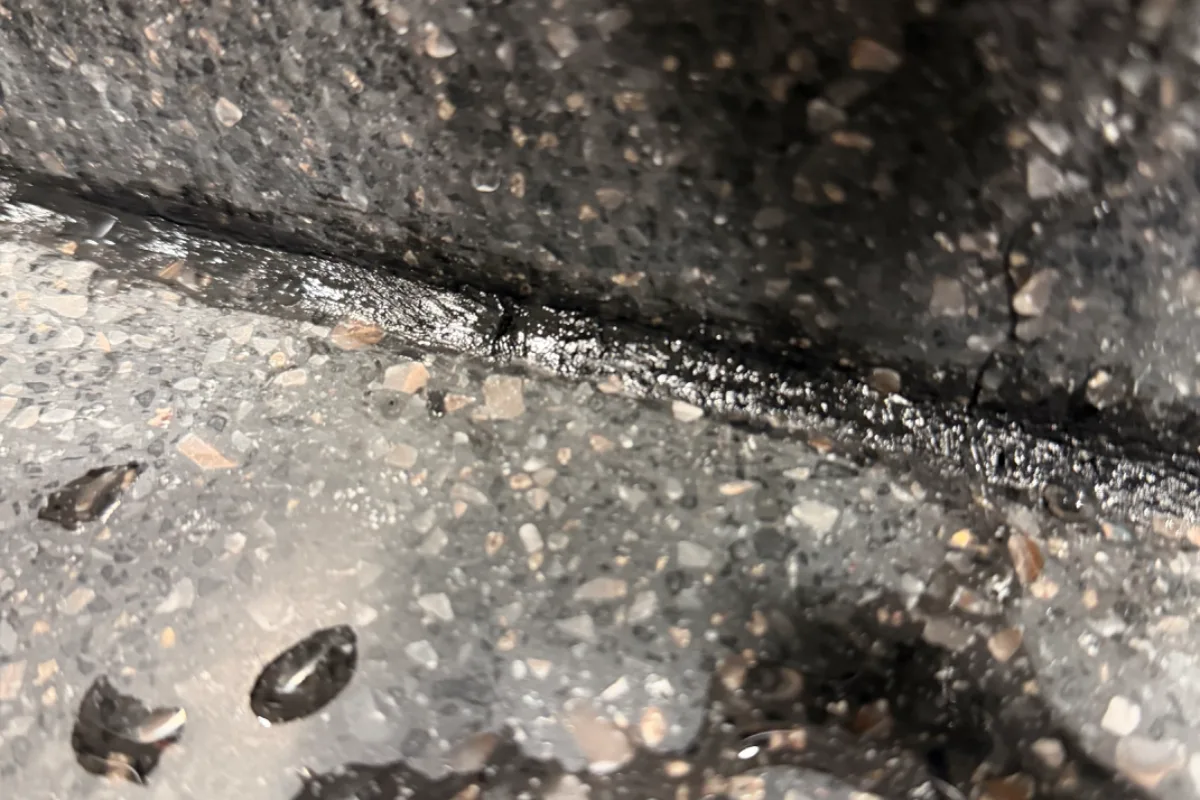
What to check when silicone will not cure
Compare the skin with the centre of a test bead. Check depth, curing conditions and shelf life before covering it.
-
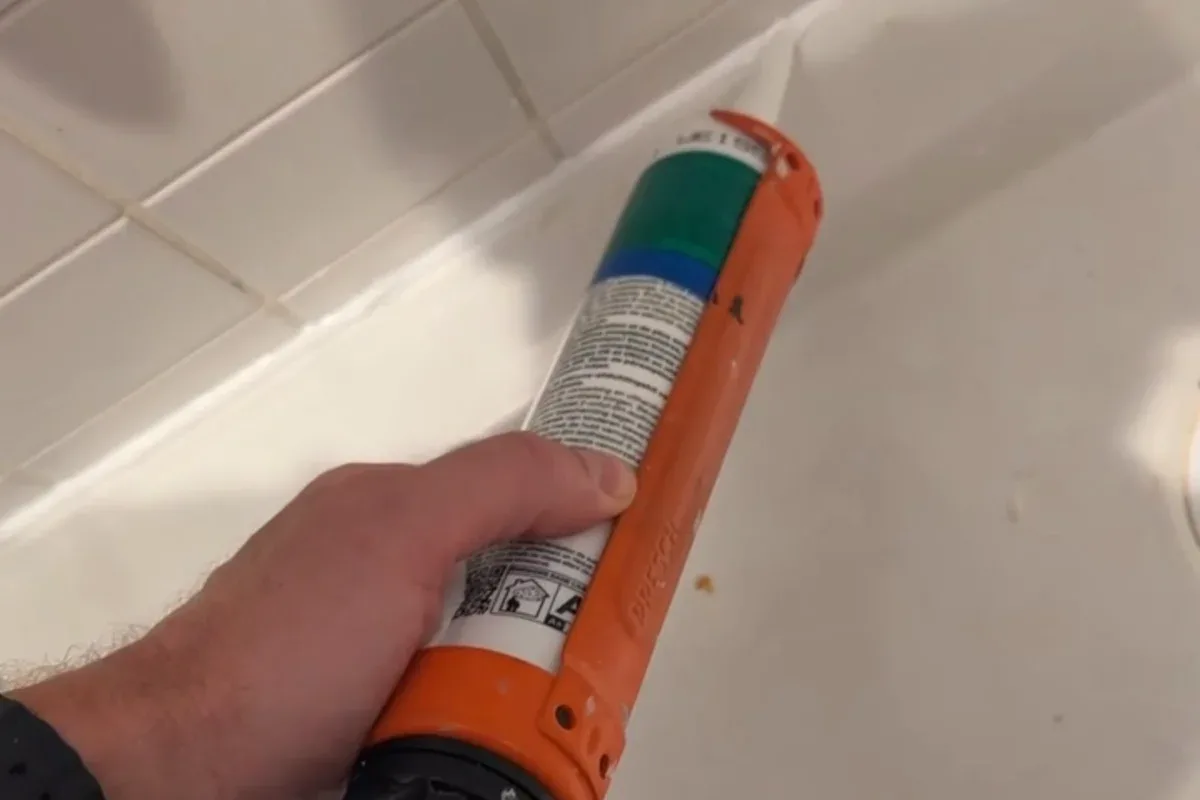
Why sealant needs two-sided adhesion
Look at a cross-section. The sides hold the bead. A third bond at the base restricts the material that can stretch.
-
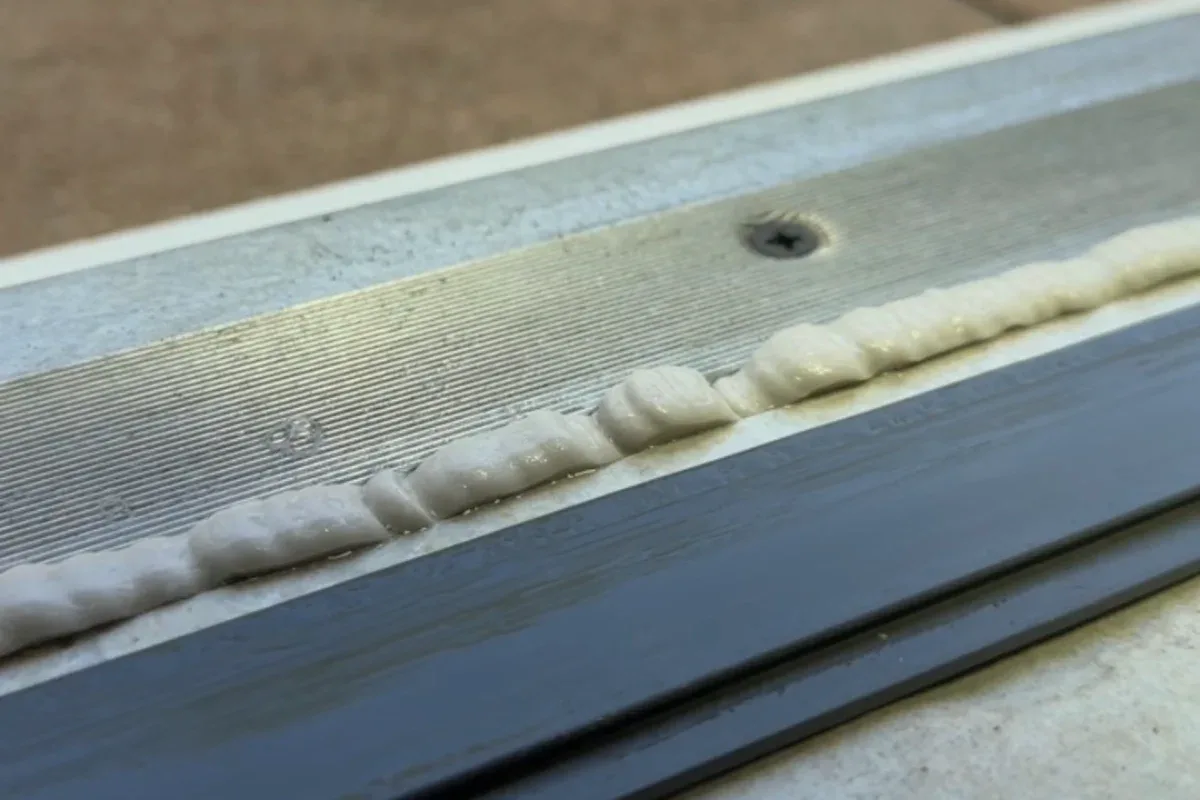
Sealant joints with underfloor heating
Identify the floor system’s joints and expected temperature changes. Preserve the movement the installation requires.
-
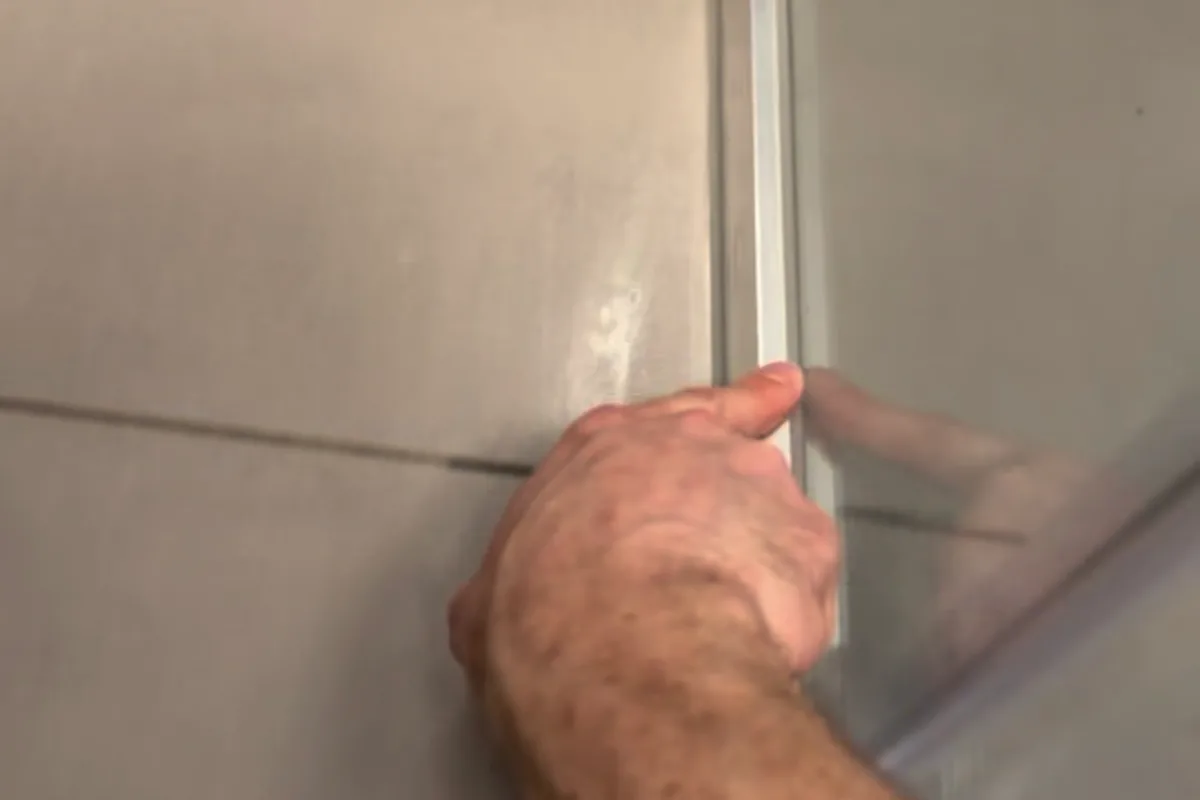
How to seal a level-access shower
Identify the wall-to-floor joint, the drain channel and the waterproofing below the tiles. A visible bead only seals its own junction.
-
Water behind a shower profile: which openings stay clear?
Trace the water through the frame and locate the outlets on the installation drawing before applying sealant.
-
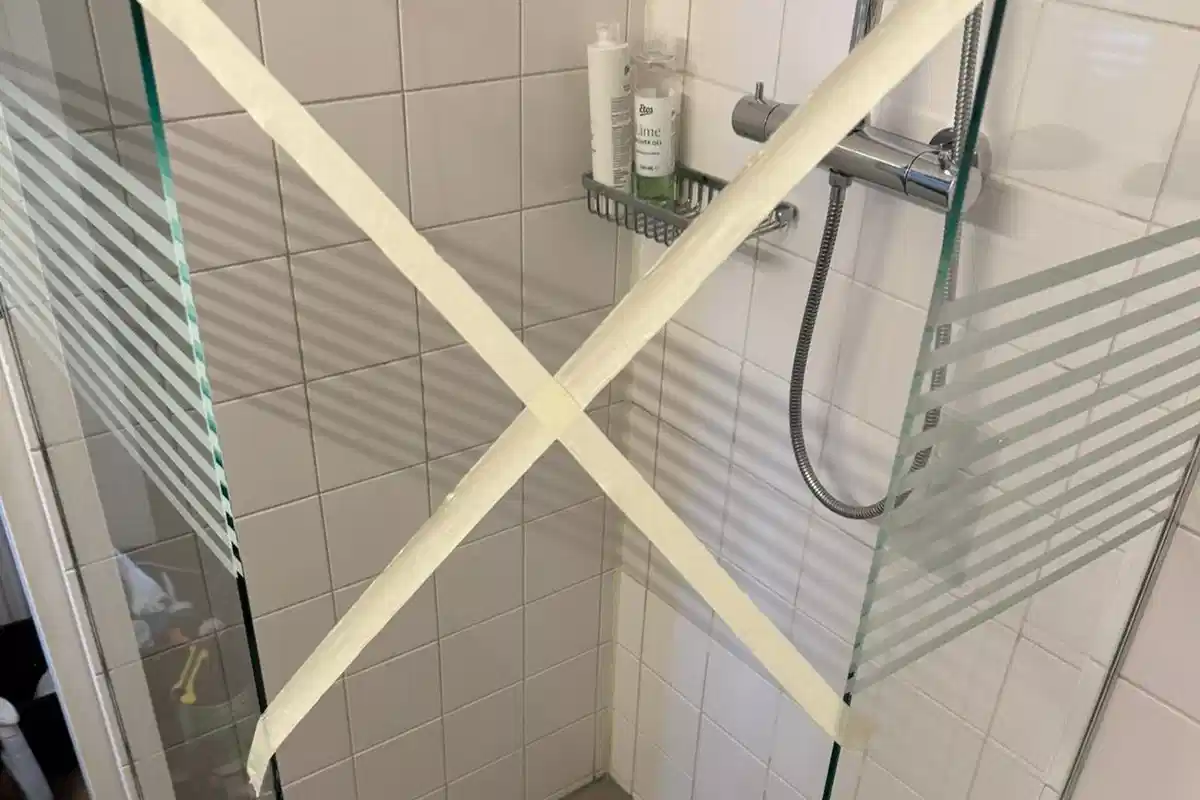
When can you shower after sealing?
A skin may form while the centre is still soft. Check the cartridge instructions for the wait before water exposure.
-
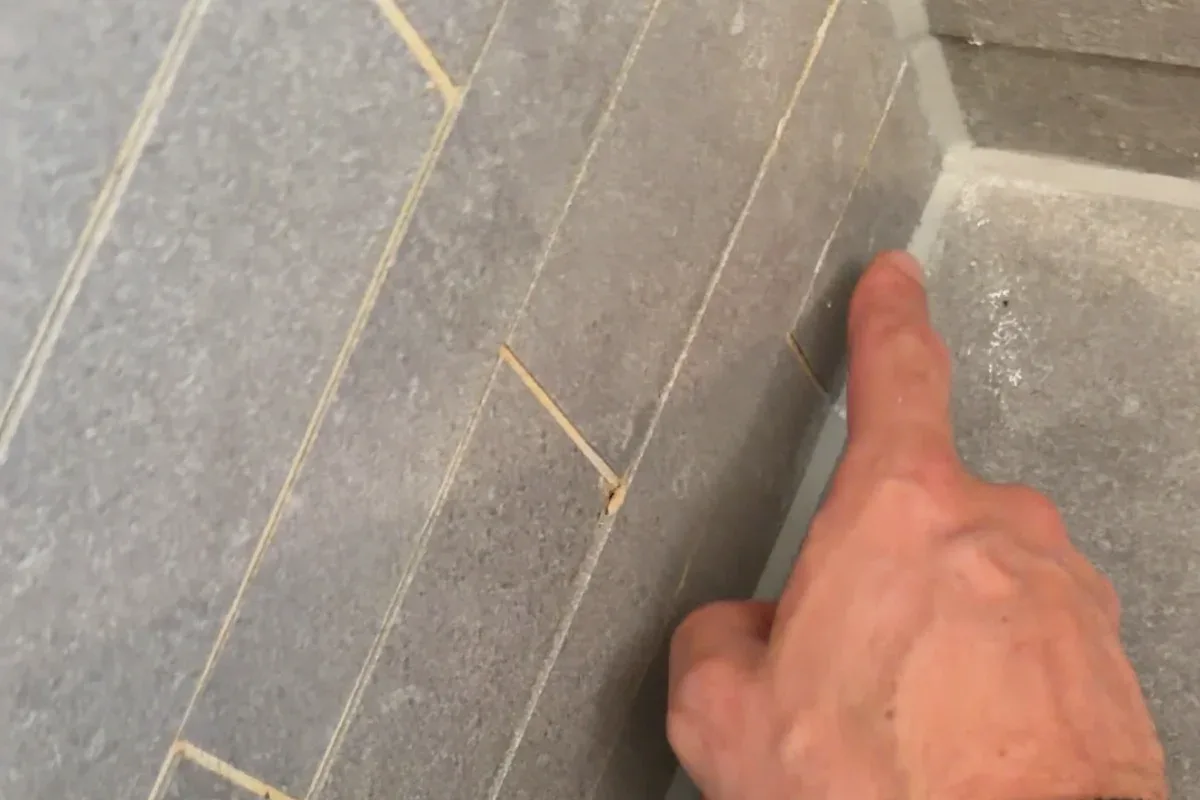
When does a sealant joint need primer?
Find both surfaces in the manufacturer’s primer table. Use the specified preparation and observe the flash-off time.
-
When to leave a joint open
Identify moving parts, drainage openings and water arriving from behind. Each needs a different decision.
-
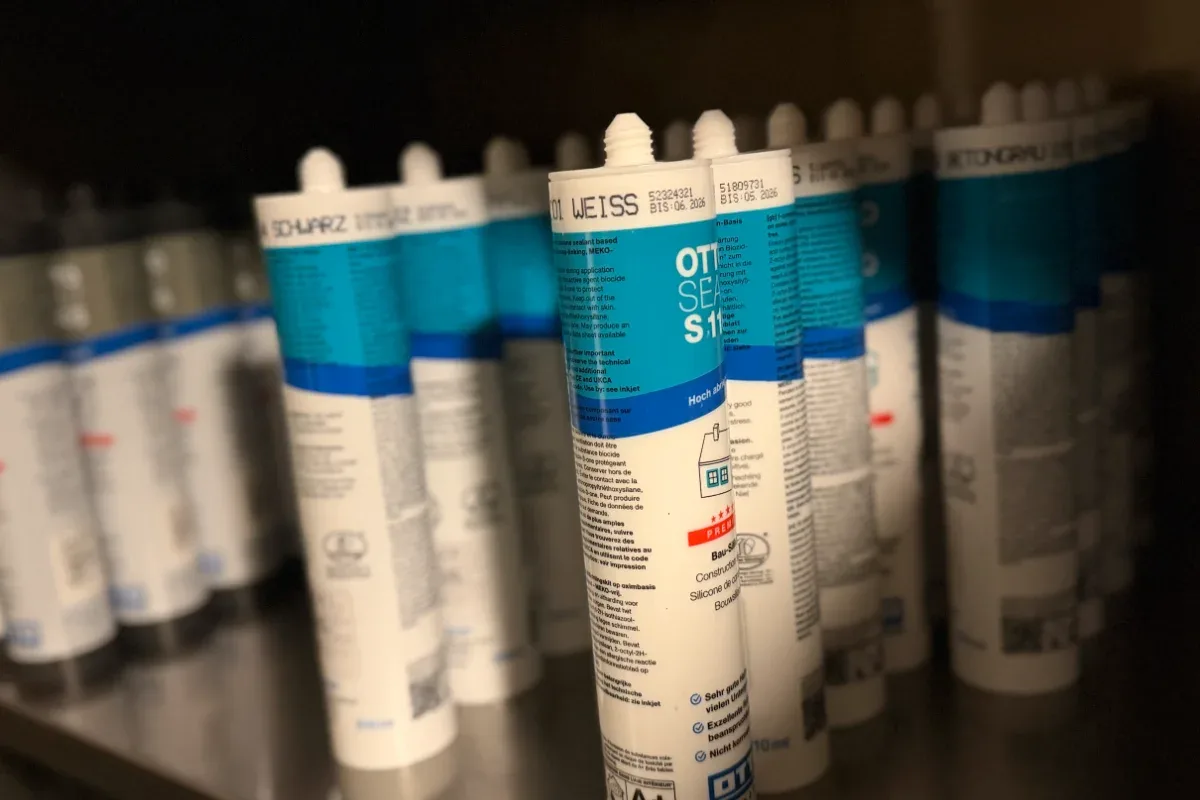
Which sealant should you use in a bathroom?
Start with the surface and water exposure. Tile, natural stone and a trim that needs painting call for different choices.
-

Preparing a surface for sealant adhesion
Remove loose material, then check the cleaner and any primer against the actual surface.
-
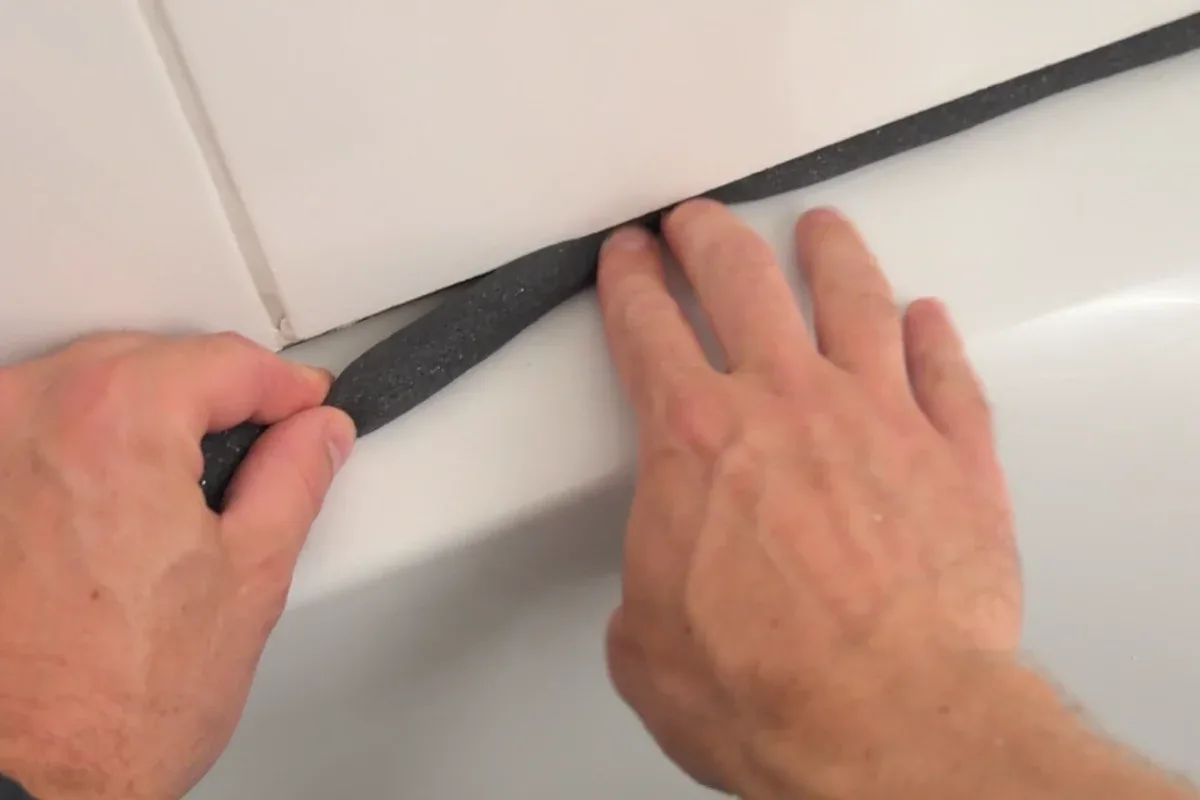
When to use backer rod
A PE backing rod controls bead depth and separates the sealant from the base. Measure the joint before choosing its diameter.
-
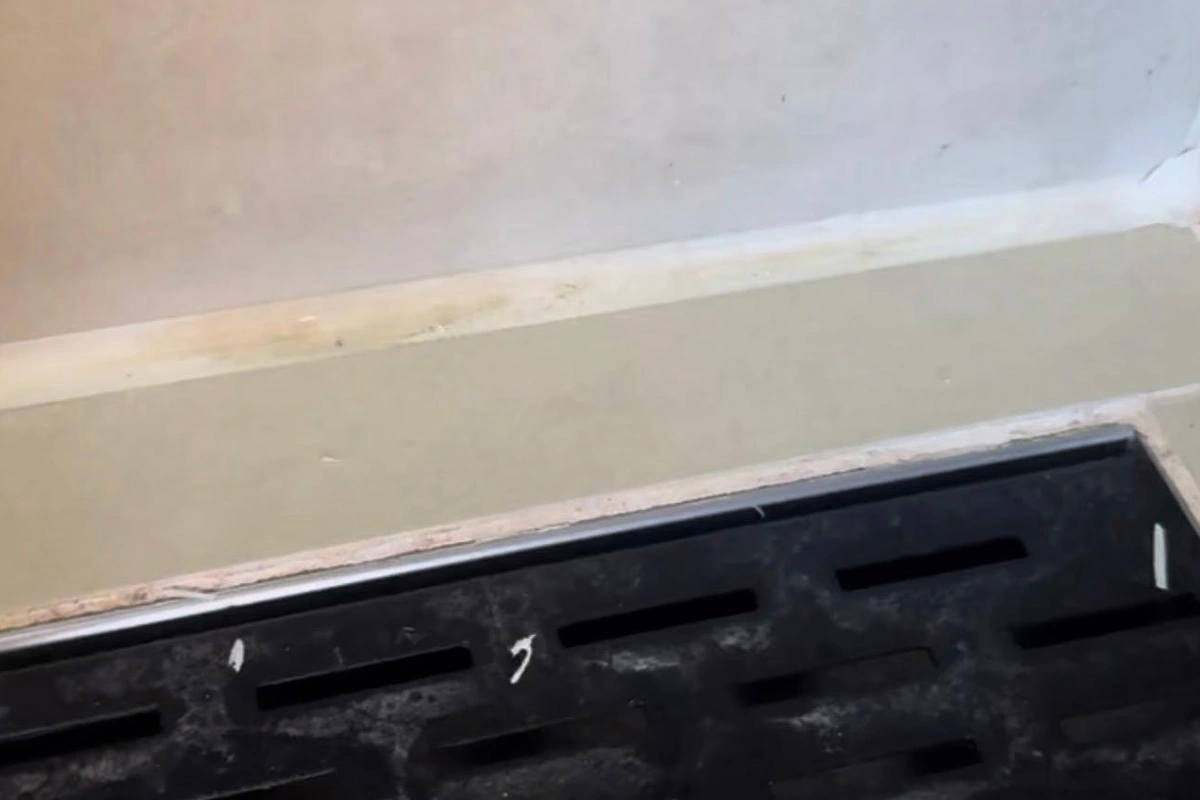
Why white silicone turns yellow
Compare a dry section with one exposed to water. Distinguish a colour change from surface dirt or mould in the bead.
-
How to seal windows inside and out
Distinguish the frame-to-wall joint from a glazing seal. Inside you may want paint. Outside check rain, sun and movement.