
When should you replace a sealant joint?
A discoloured bead and a lifting edge need different checks. Trace water behind a profile before cutting anything out.
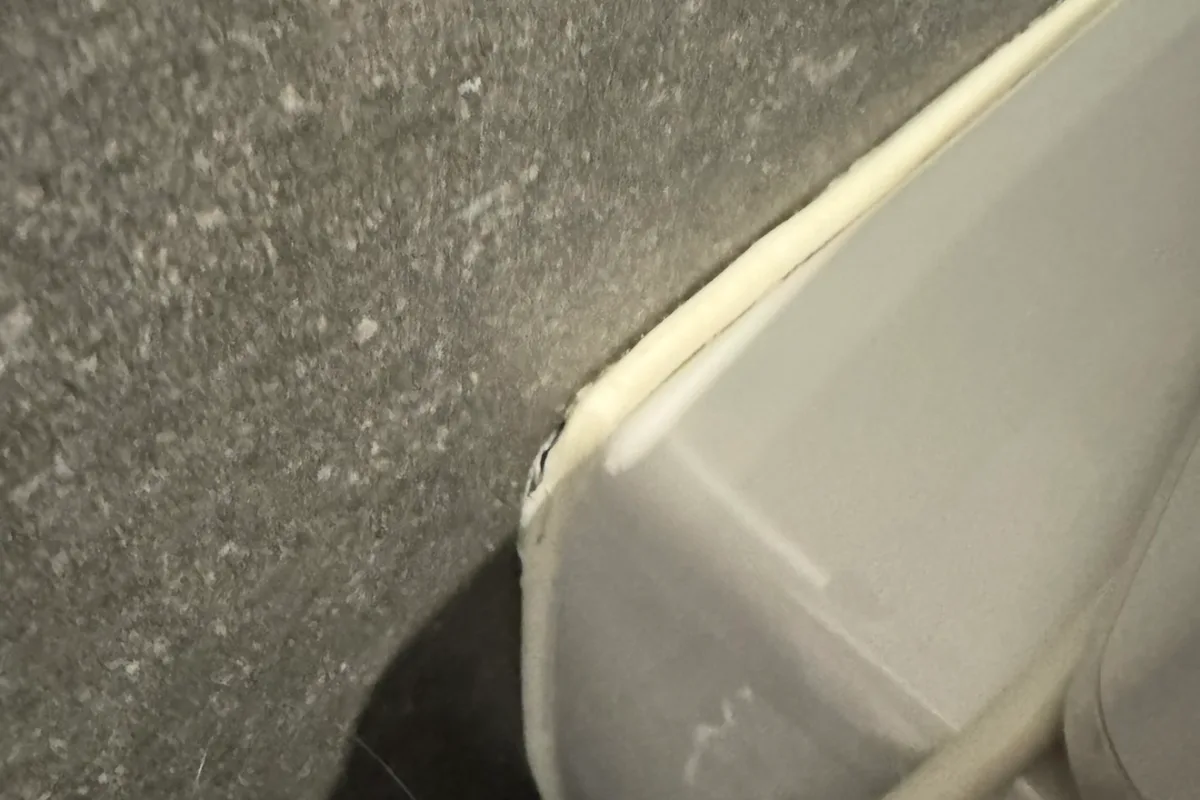
Black specks in the mass, or an edge that opens when you push: replace it. Only colour and still rubbery: you can wait. A millimetre of peel is already a water path, even if the bead looks whole.
Buying through a product link may earn us a commission at no extra cost to you.
Signs of wear along the edge
Now. Cracks in the mass. The flank has let go of the tile or the tray. Mould inside, not a film that wipes off. Damp in the next room. Do not wait.
Soon. The joint is years old, hard or stiff. It may not drip yet, but the next heat cycle can split it. In a wet zone, a change at 5–7 years is not fussiness: plasticisers leave and the material goes rigid.
You can wait. It only yellows from UV or cleaning, it is still elastic, and a push does not open it anywhere. If the colour bothers you, that is looks, not a leak.
Where the detail calls for sanitary silicone on two compatible surfaces, consider OTTOSEAL S100. Porous stone needs a stone-compatible product.
What you cannot see
Everyone looks for a split down the middle (cohesion). The real danger is often adhesion. A “perfect” bead that, when you push, opens a millimetre: water walks in by capillary action and the bead funnels it into the building. No hole on show. Still a leak.
That is why you look and feel.
When preparing a fresh cartridge, use the Stanley knife as instructed. Cut the nozzle away from your fingers. This cartridge tool is not a scraper for glass, fabric or a shower tray.
Before opening the cartridge, try the Presch silicone gun in the tightest corner. Check you can turn your wrist and release pressure at the end of the run.
The thumb test
Clean cloth, raking light, your thumb. Wipe soap: sometimes “filthy” is only filthy. Light along the edge: hairlines and specks in the mass. Push the bead into the joint. If the flank parts, replace. At an end, a careful nail: if it lifts with no fight, the rubber is dead.
Dry-fit the FUGENFUX profiling tool. Choose the edge that meets both sides without scooping out the middle, then tool the bead before a skin forms.
What not to do if it is time
Over the old layer: two skins and mould in months. Bleach it white and leave it: the colour goes, the mass stays pitted. Thinking a leak always shows on the ceiling below: by then the plaster has already drunk.
Tools and materials for this job
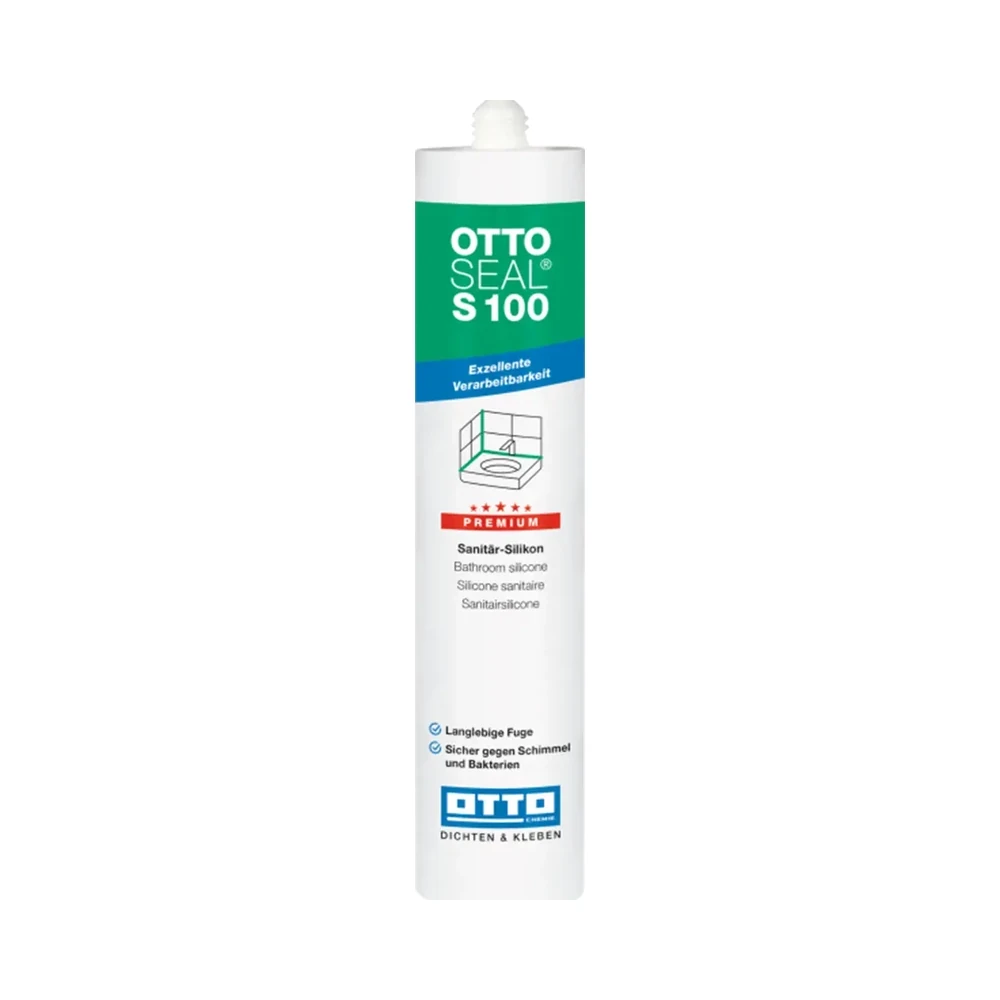
OTTOSEAL S100
Sanitary silicone for compatible surfaces. Check both edges before opening the cartridge.
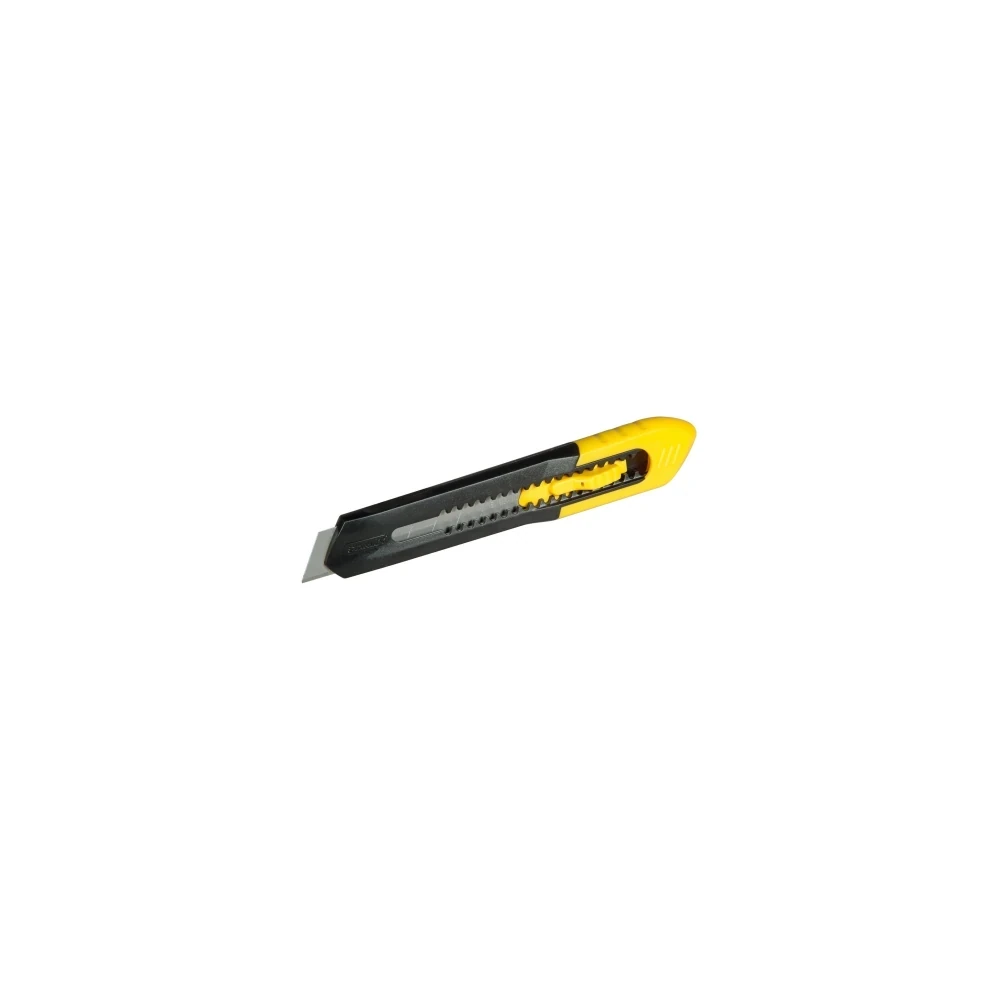
Stanley knife
For opening the cartridge and trimming the nozzle, not scraping delicate surfaces.
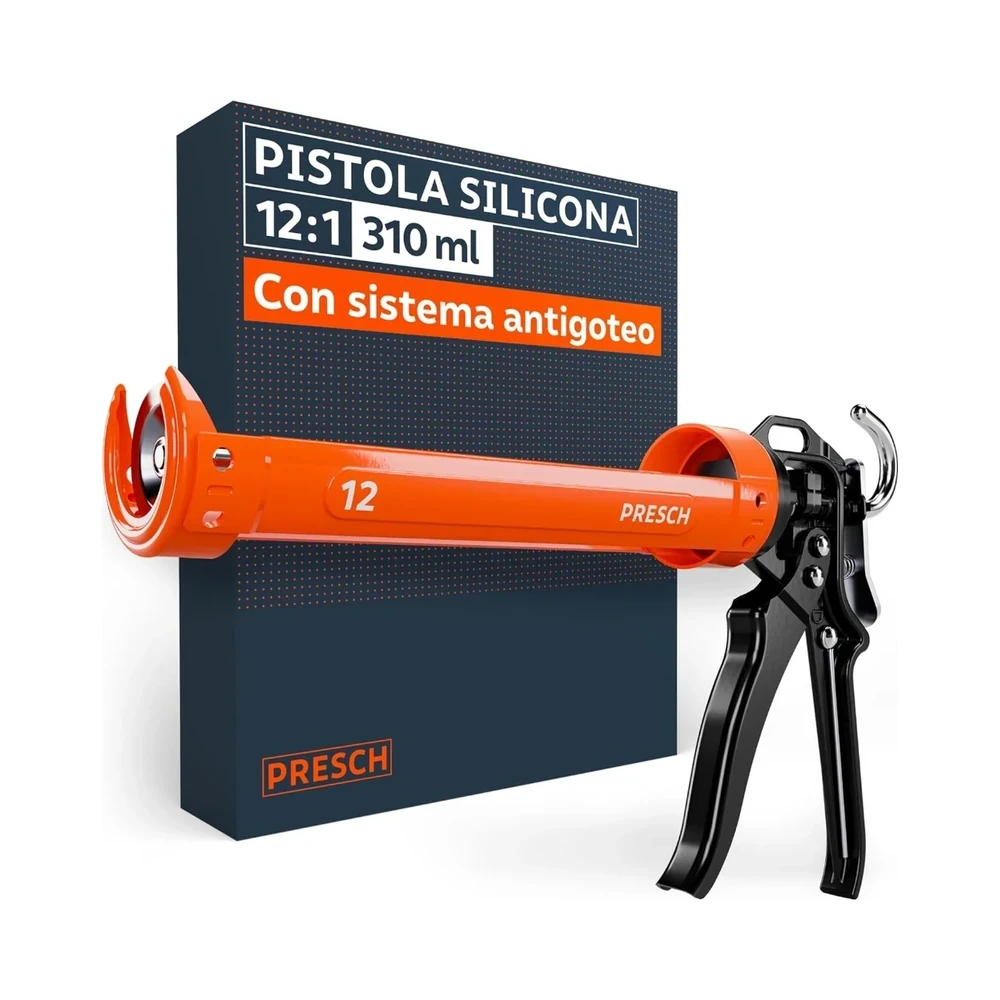
Presch silicone gun
Manual cartridge gun. Check you can release pressure in the last centimetre.
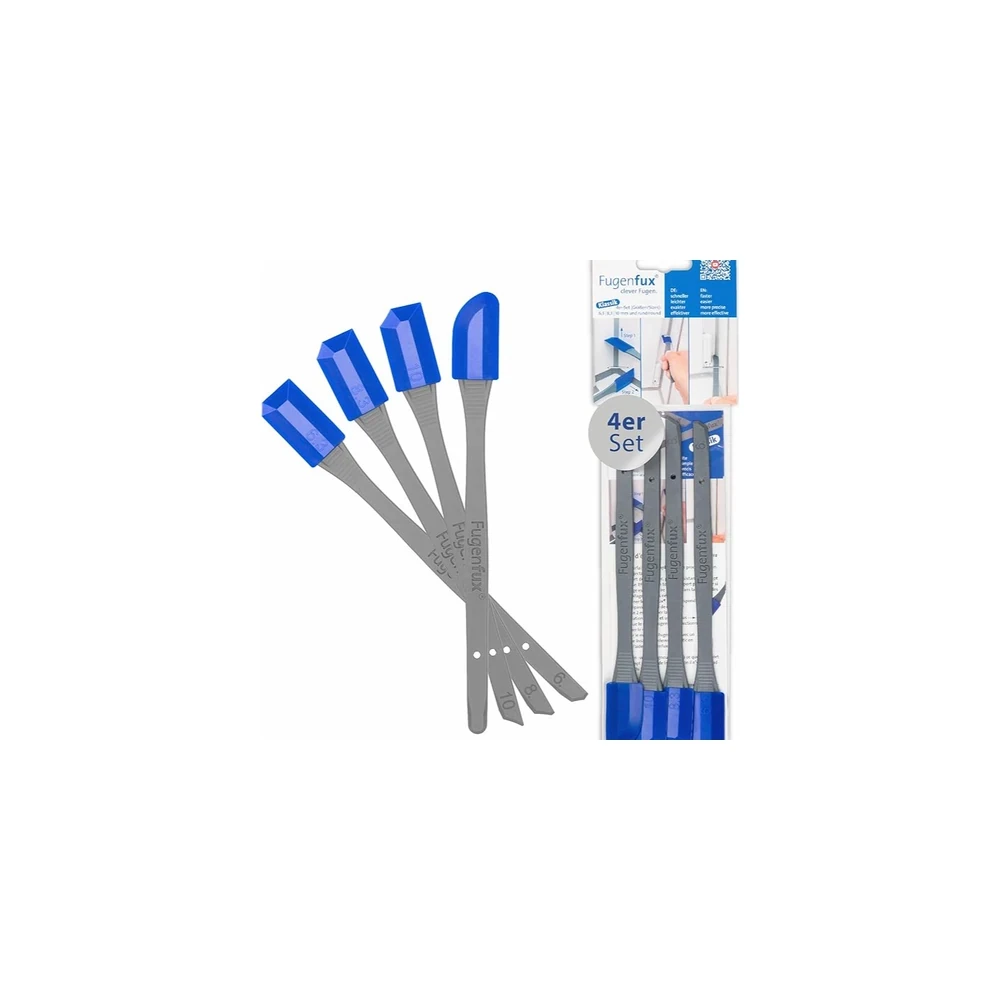
FUGENFUX
Profiling tool. Dry-fit the edge that reaches both sides of the joint.
Exceptions
Still unsure after a push: treat it as red. A shower joint is not forever; 5–10 years in a wet room with decent material is a typical range, not a promise. Cheap stuff, often less. Drying, ventilation and no chlorine stretch the life; they do not resurrect a colonised mass.
-
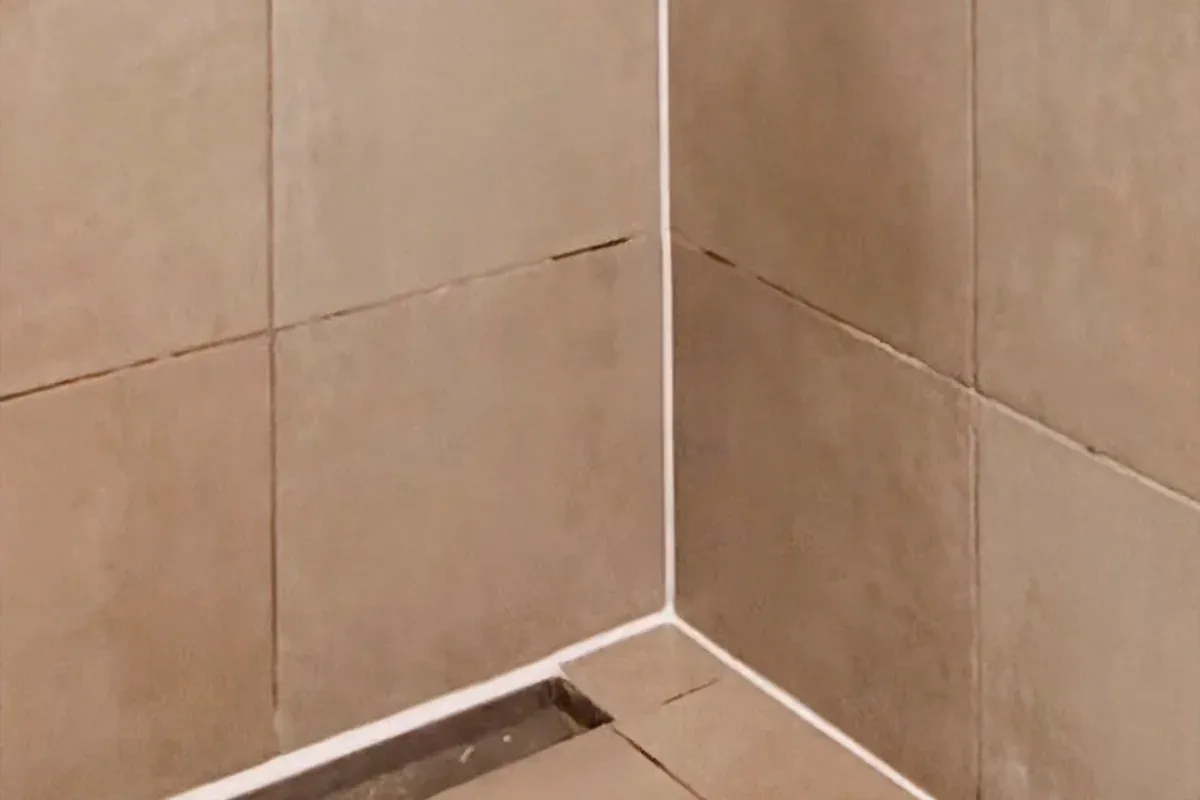
How long does bathroom sealant last?
Check adhesion on both sides and look for standing water. Age alone tells you little about whether the bead needs replacing.
-
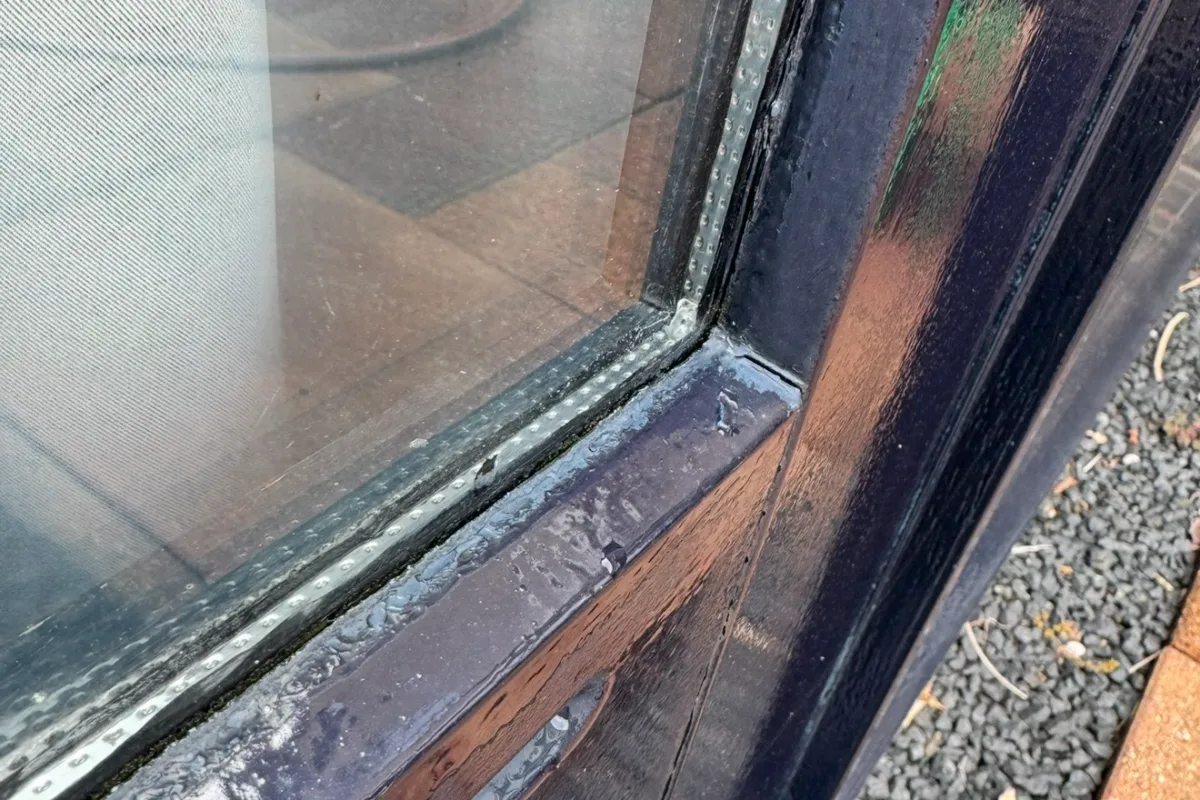
How to spot a poor sealant joint
Inspect the edges, breaks and voids. A wavy line can be cosmetic. A lifting edge can admit water.
-
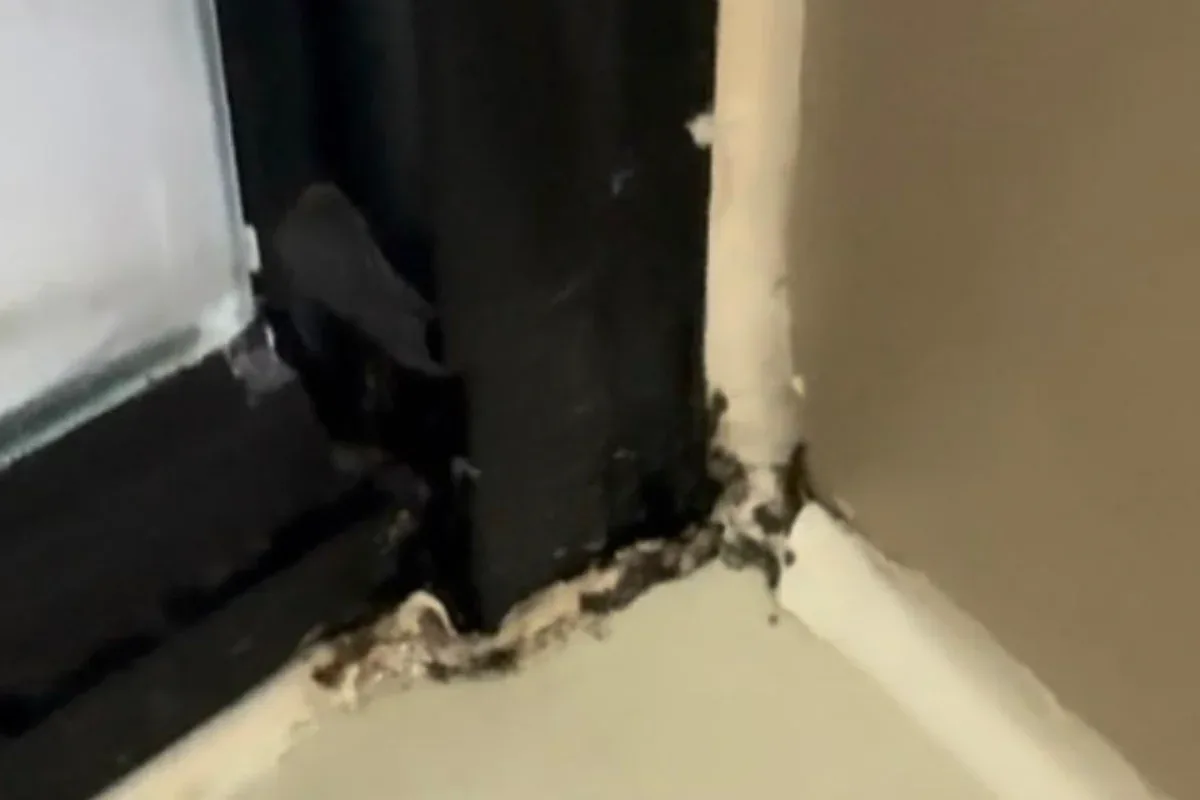
Mould in shower silicone: clean or replace?
Check whether the mark sits on the surface or inside the bead. If it keeps returning, inspect where water collects.