
Why is a sealant bead hollow or ragged?
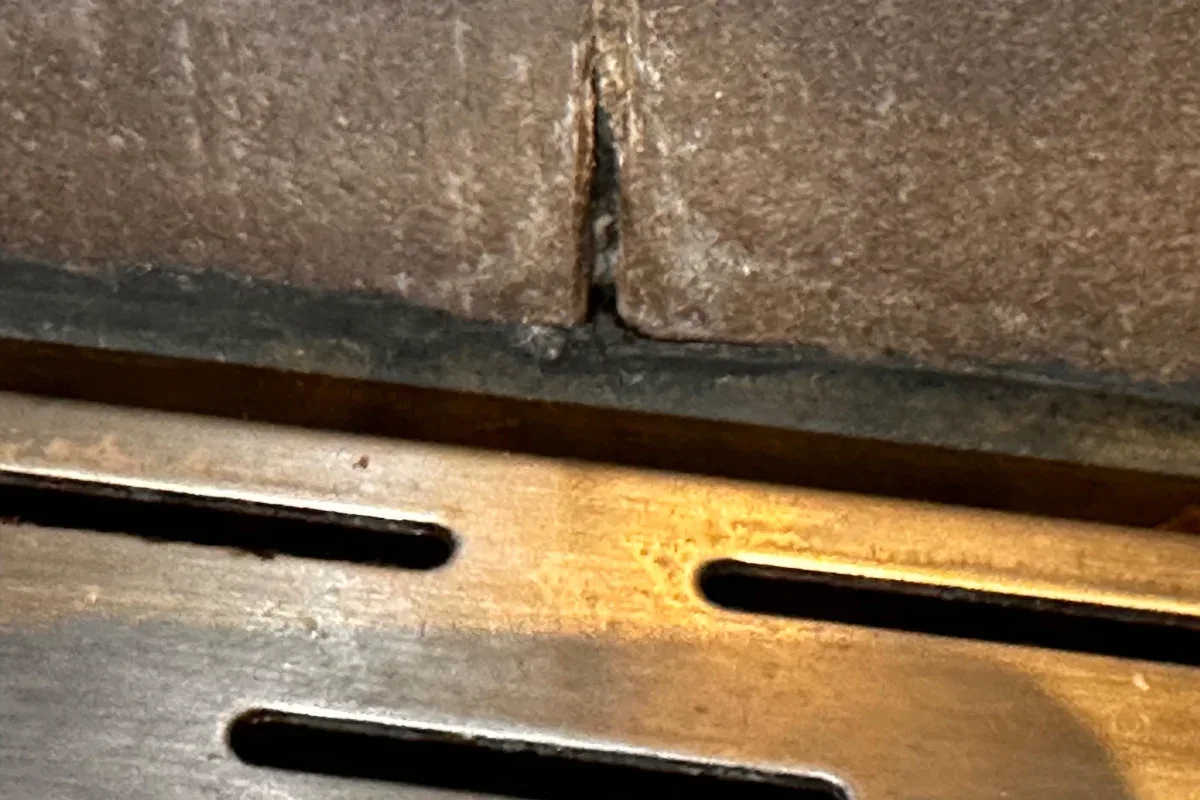
Look along the bead. Voids and torn edges can point to interrupted application or smoothing after a skin formed.
Tool with a spatula and a neutral smoothing agent. A finger digs a gutter; washing-up liquid can break the bond at the edge and wash out the fungicides.
Buying through a product link may earn us a commission at no extra cost to you.
What a void in the bead indicates
A shower joint done properly is flat or slightly to fall. Water leaves. A hollow joint — the crescent of a finger — holds soap and moisture. The edges go to a film: they fray, lift, and the middle is too thin to stretch.
That is not a cosmetic niggle. It is geometry: no body in the centre, skins on the flanks.
Before opening the cartridge, try the Presch silicone gun in the tightest corner. Check you can turn your wrist and release pressure at the end of the run.
Washing-up liquid is not a finisher
Washing-up liquid is made to break grease. If the suds creep between fresh sealant and the tile, they cut adhesion. A soap film stays. Acids, dyes and perfume eat the fungicides. Months later: yellowing or black specks, “for no reason”.
If you have no smoothing agent, clean tap water is less harmful than the sink. On natural stone, never washing-up liquid: it stains the edge.
If the sealant allows a Smoothing spray, use it sparingly when tooling silicone. Keep it off the bonding faces and check for staining before using it on stone.
How to tool with body
Dry, soap-free substrate. Push the silicone into the joint, a little overfull, no bubbles. A light mist of pH-neutral finisher — not a puddle that runs underneath. Spatula (wood or plastic) about 2 mm wider than the joint, one pass. I use FUGENFUX when I want a controlled radius and angle.
A triangular or flat section puts mass in the middle. A round finger steals it to the sides and leaves a channel.
Do not tool with spit. Your mouth is full of bacteria; you plant them in the mass.
The usual mistakes
Too much soap: liquid slides under the bead before it grabs. Touching it again and again: the skin forms and wrinkles. Tape on a shower edge: a little step where water sits. Better freehand, so the meeting almost disappears.
If the joint is already a deep gutter full of dirt, do not shoot over it. Replace.
Where the detail calls for sanitary silicone on two compatible surfaces, consider OTTOSEAL S100. Porous stone needs a stone-compatible product.
Why flat drains
On a flat face the droplet runs. In a concave radius it hangs by capillary action. Less still water, less mould. And there is body for cohesion when the building moves.
Tools and materials for this job
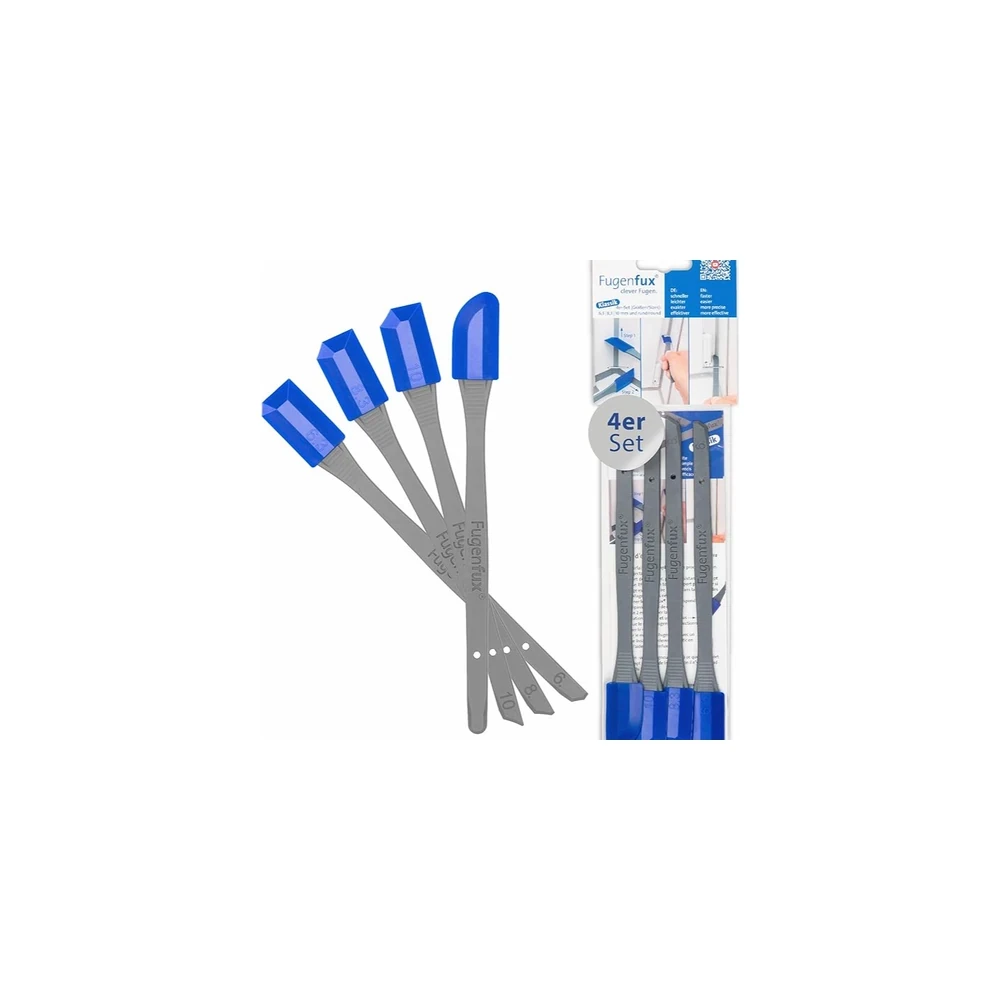
FUGENFUX
Profiling tool. Dry-fit the edge that reaches both sides of the joint.
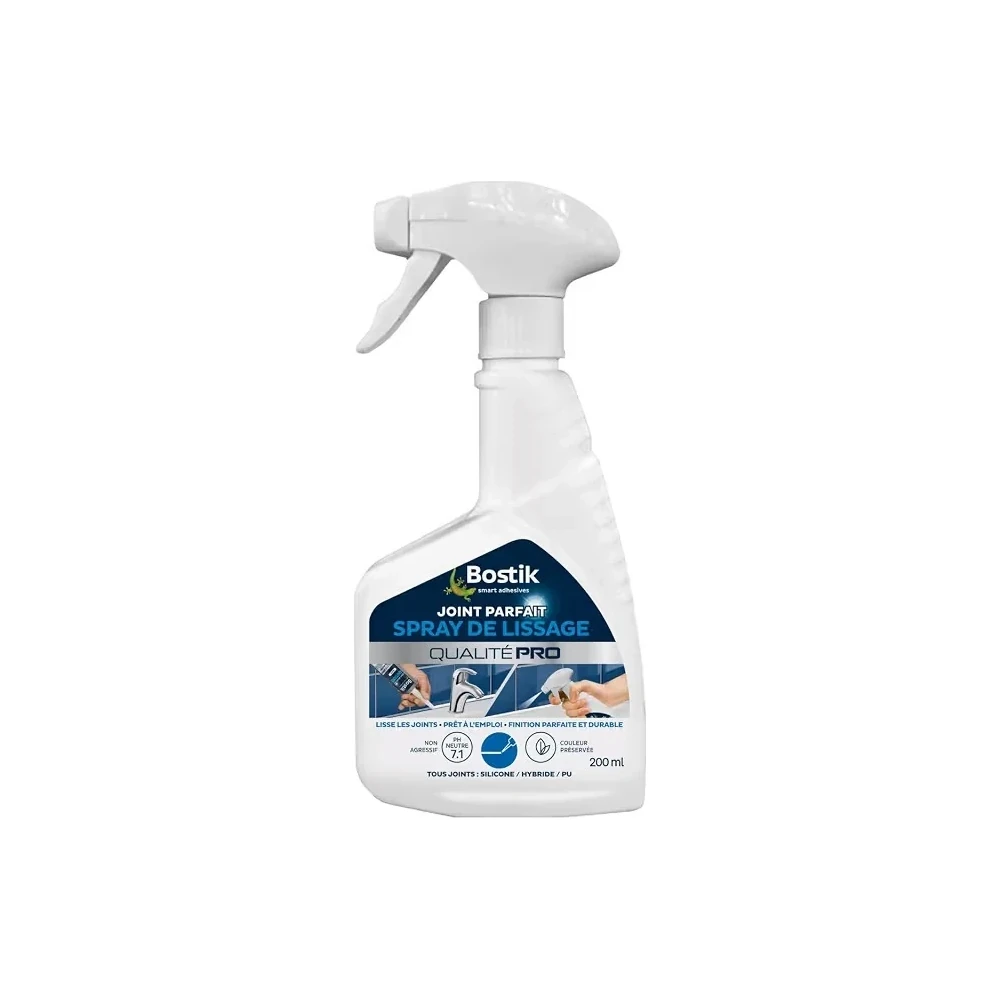
Smoothing spray
For tooling silicone where the manufacturer allows this agent. Keep bonding faces dry.
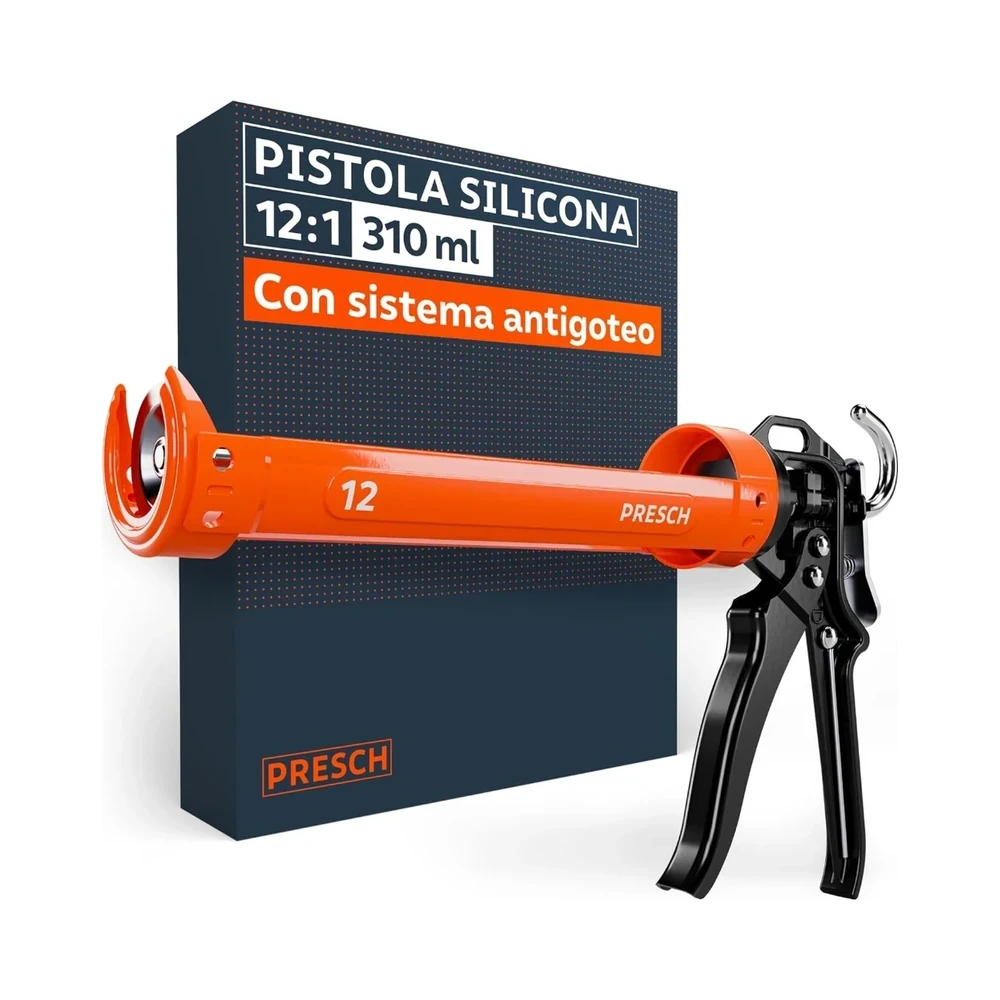
Presch silicone gun
Manual cartridge gun. Check you can release pressure in the last centimetre.
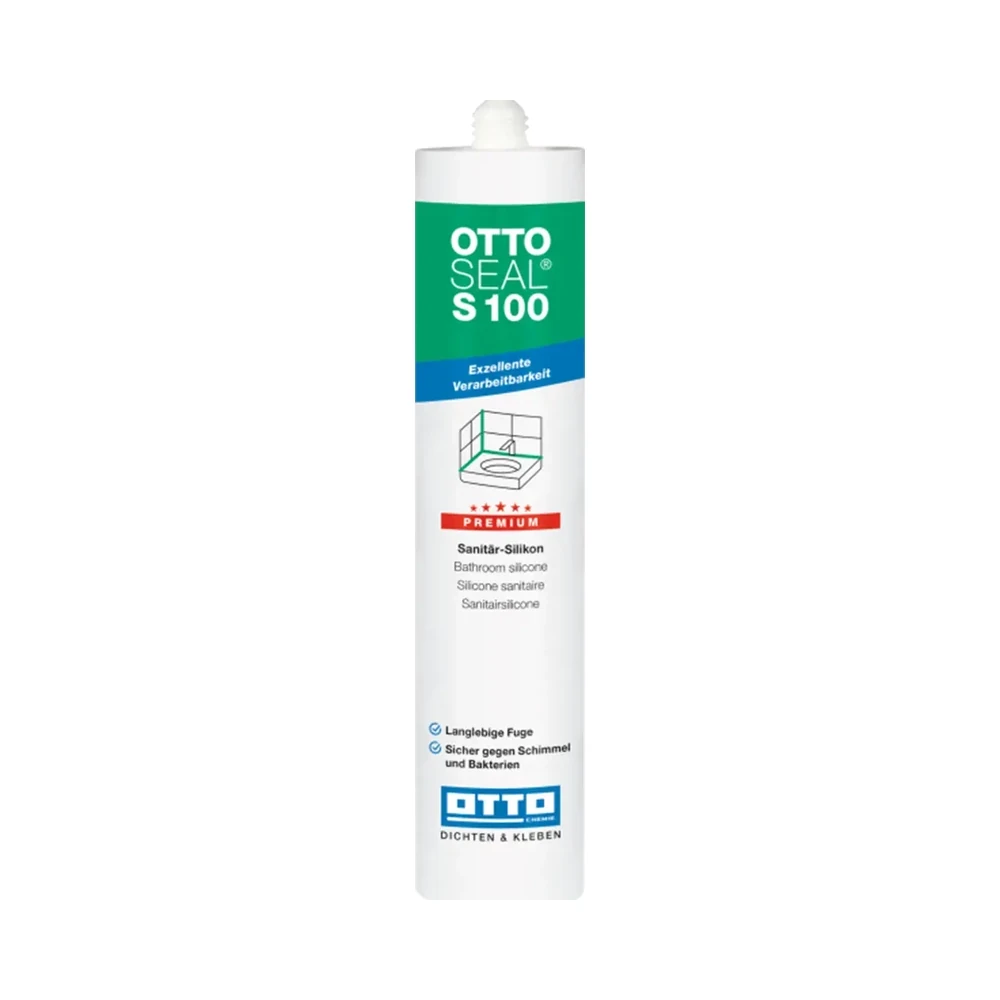
OTTOSEAL S100
Sanitary silicone for compatible surfaces. Check both edges before opening the cartridge.
Exceptions
A skin already lifting at the edges almost never trims back to a sound joint. Cut it out and redo. On stone, stone chemistry and a stone-safe finisher, not the washing-up trick.
-
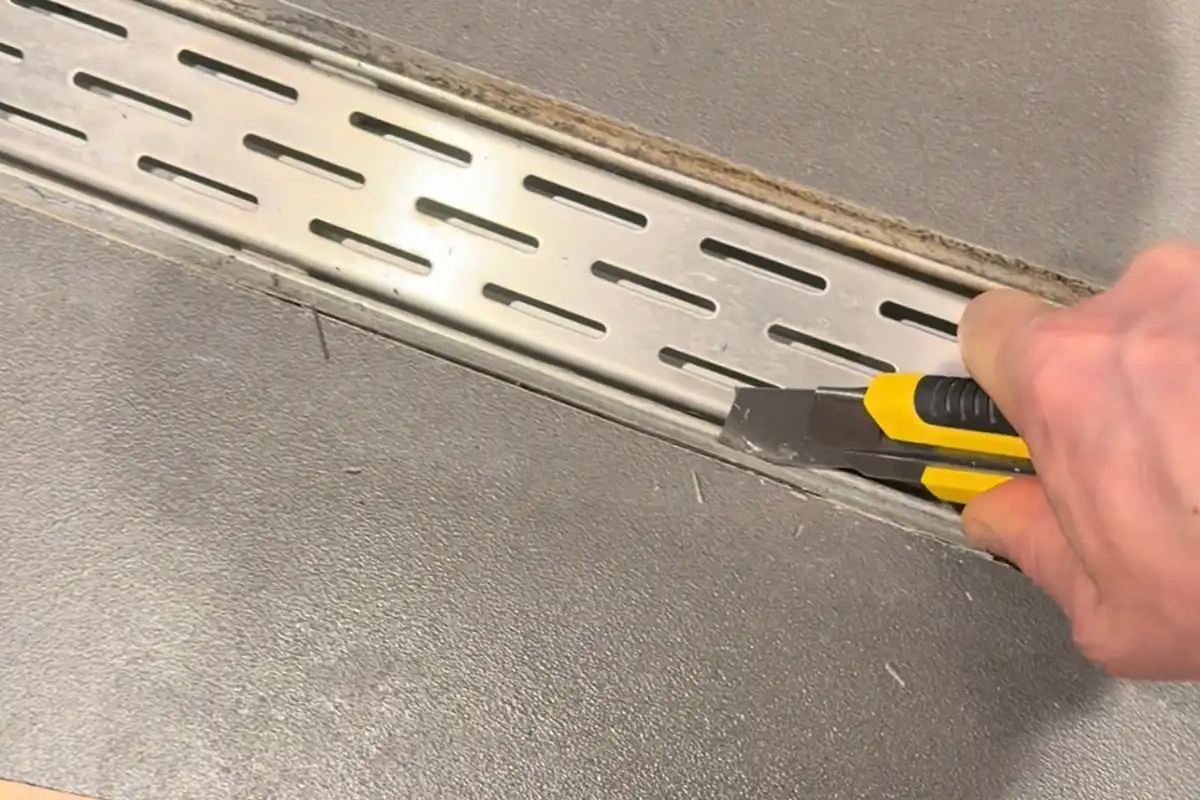
How to seal a shower tray and bathroom joints
Start where the tray meets the wall. The screen has a separate drainage path and its own fitting instructions.
-
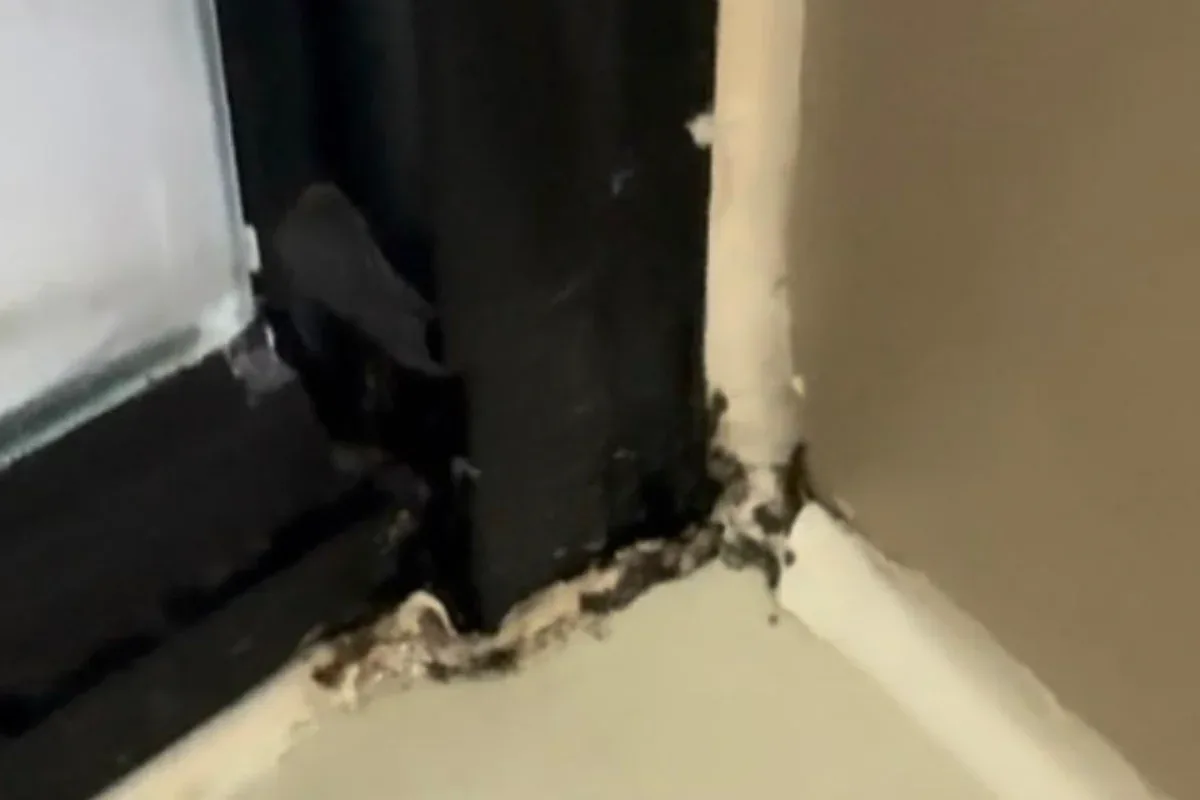
Mould in shower silicone: clean or replace?
Check whether the mark sits on the surface or inside the bead. If it keeps returning, inspect where water collects.
-
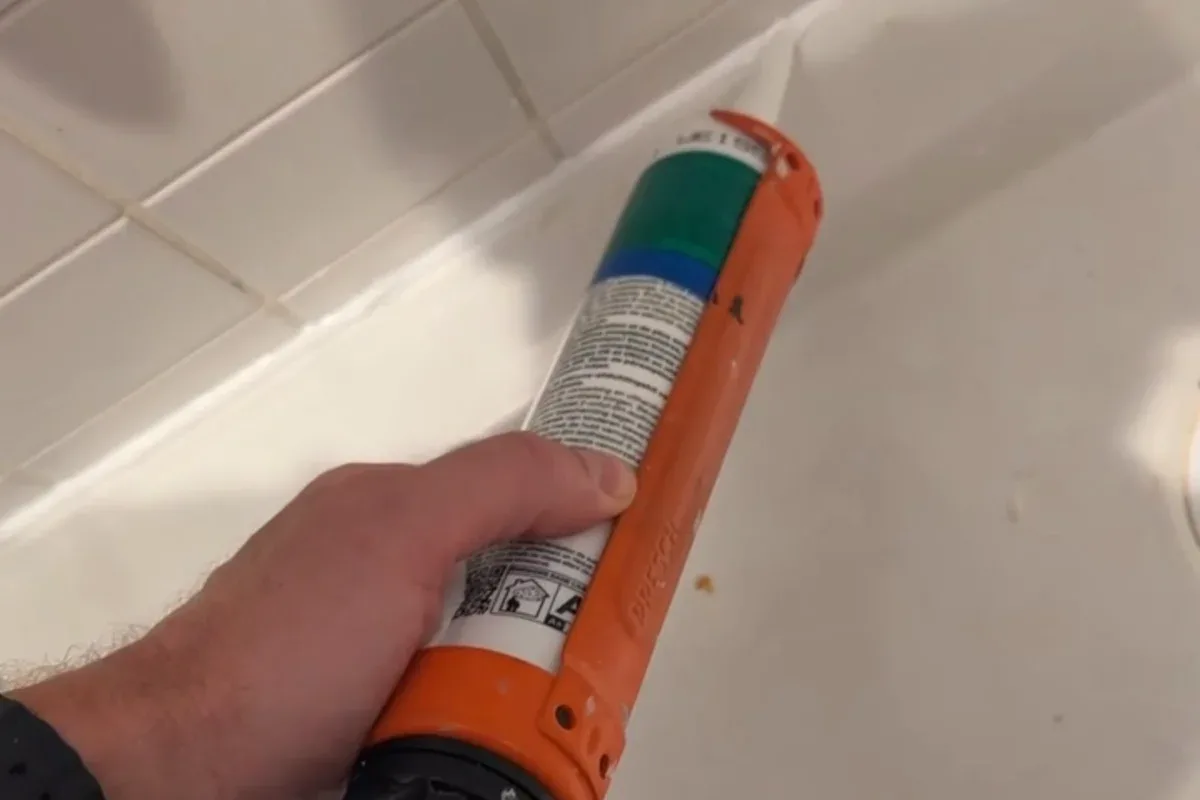
Why sealant needs two-sided adhesion
Look at a cross-section. The sides hold the bead. A third bond at the base restricts the material that can stretch.