
Problems & maintenance
Clear technical answers — no filler, no invented claims.
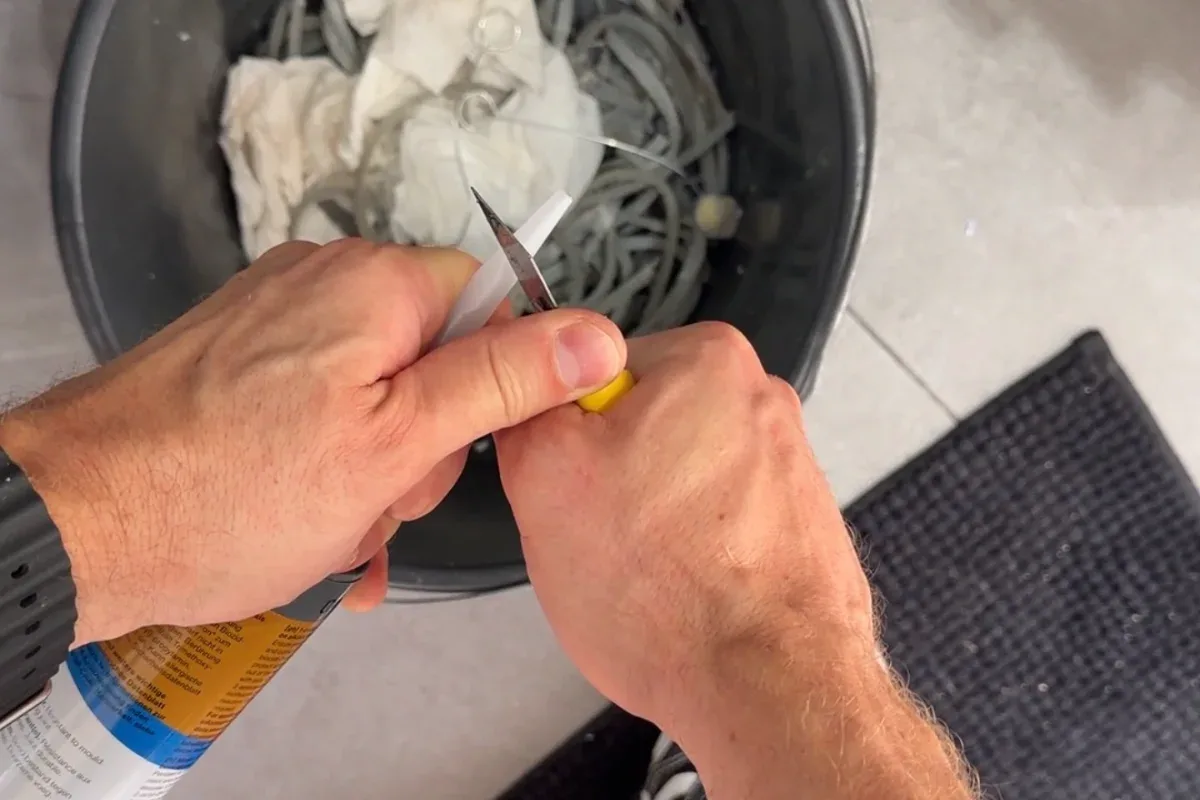
Bathroom damp: sealant maintenance or a building repair?
Identify the faulty component before blaming the bead. Record the leak separately from the damage it leaves.
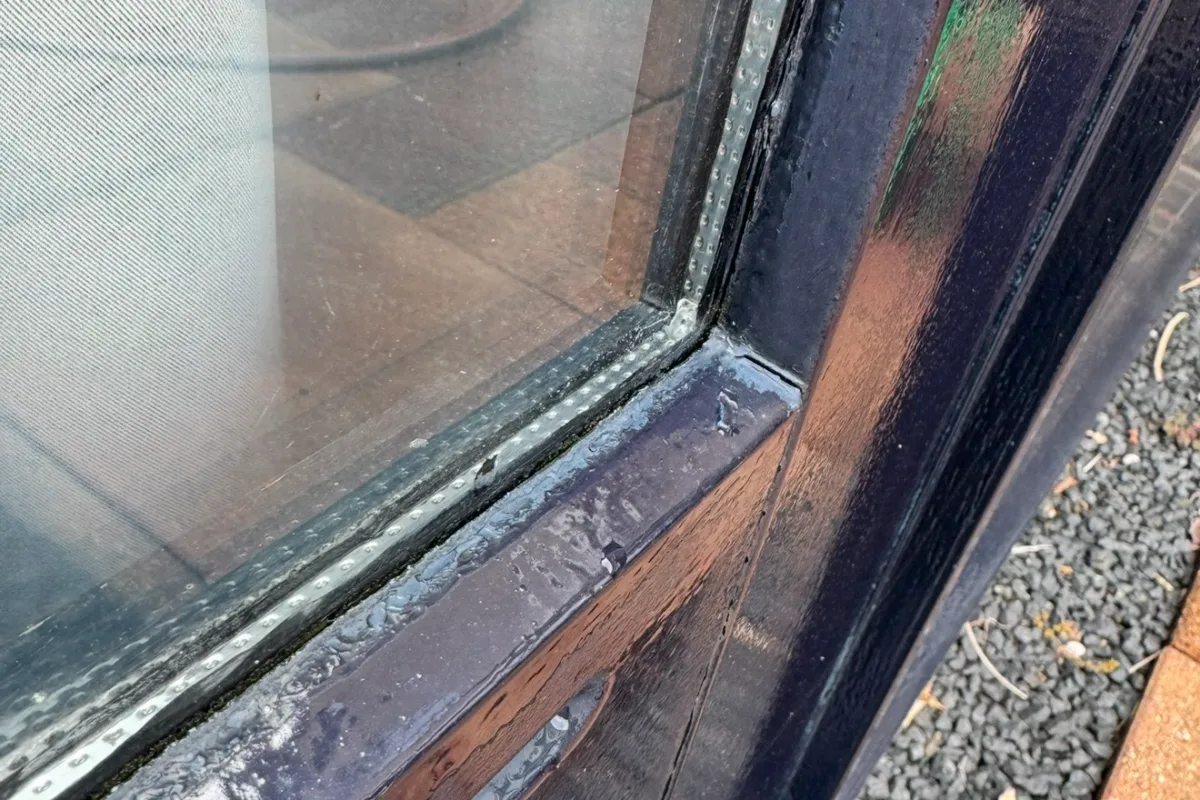
A survey flags defective silicone: what should you ask?
Ask for the precise section and observed defect. A wavy bead, a loose edge and damp in another room are different findings.
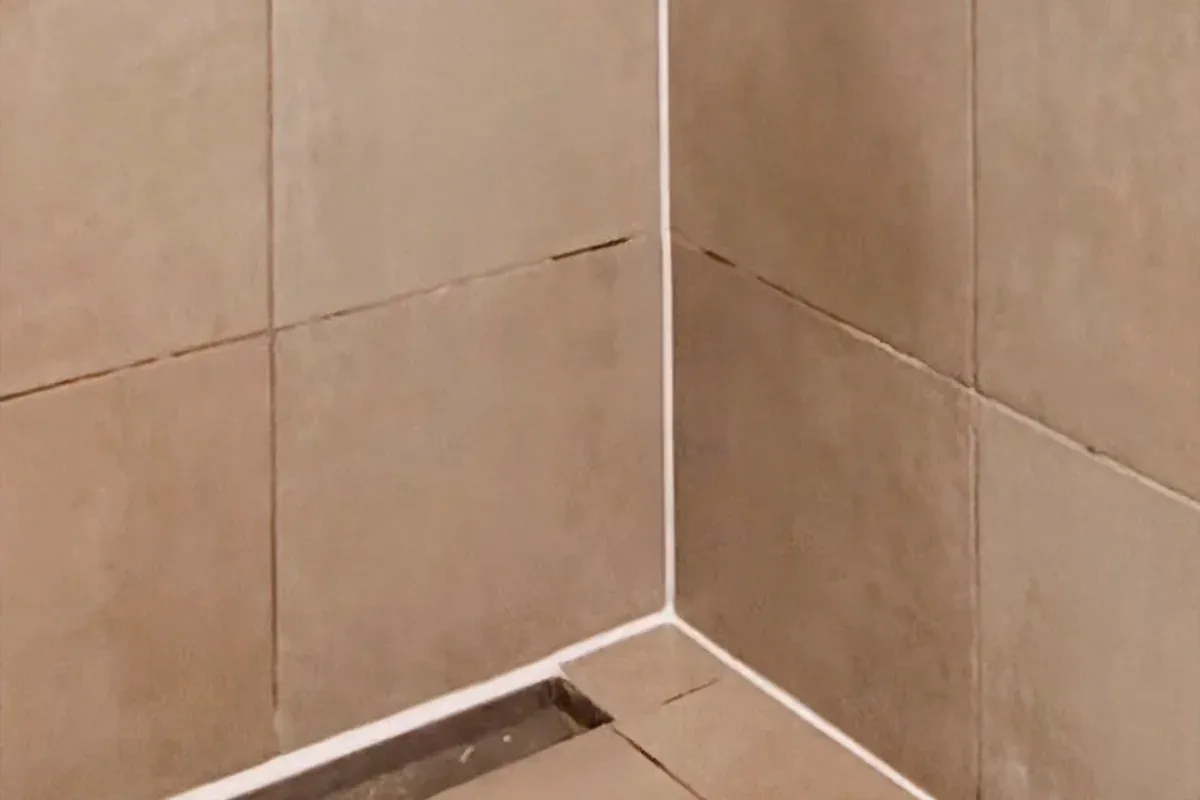
What to do when the edge of a bead starts lifting
Find how far the separation extends under the bead and whether the surface is dry. That guides how much to remove.
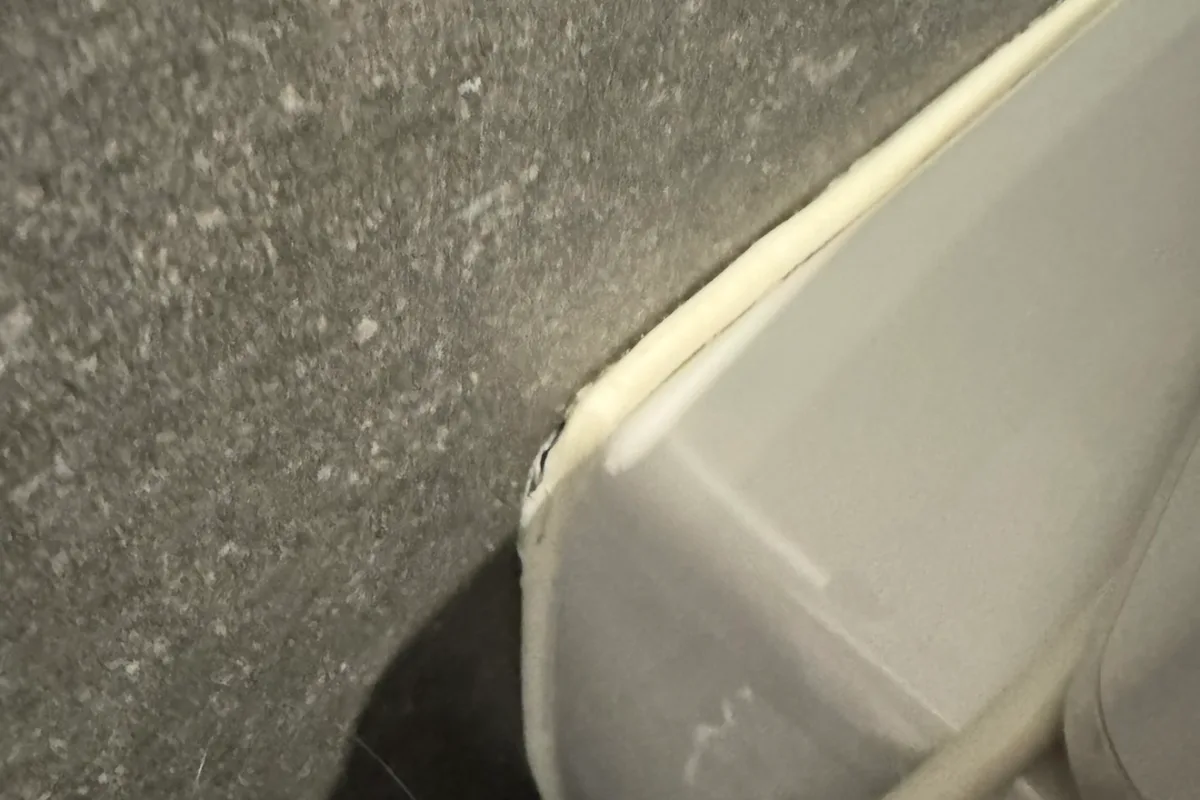
Which joints should you check before moving home?
Walk through the bathroom, kitchen and windows. Record lifting edges, movement and water marks separately.
A damp patch after a shower: what to record
Photograph the spot, note when it appears and check whether tap or drain use triggers it before cutting out the bead.
-
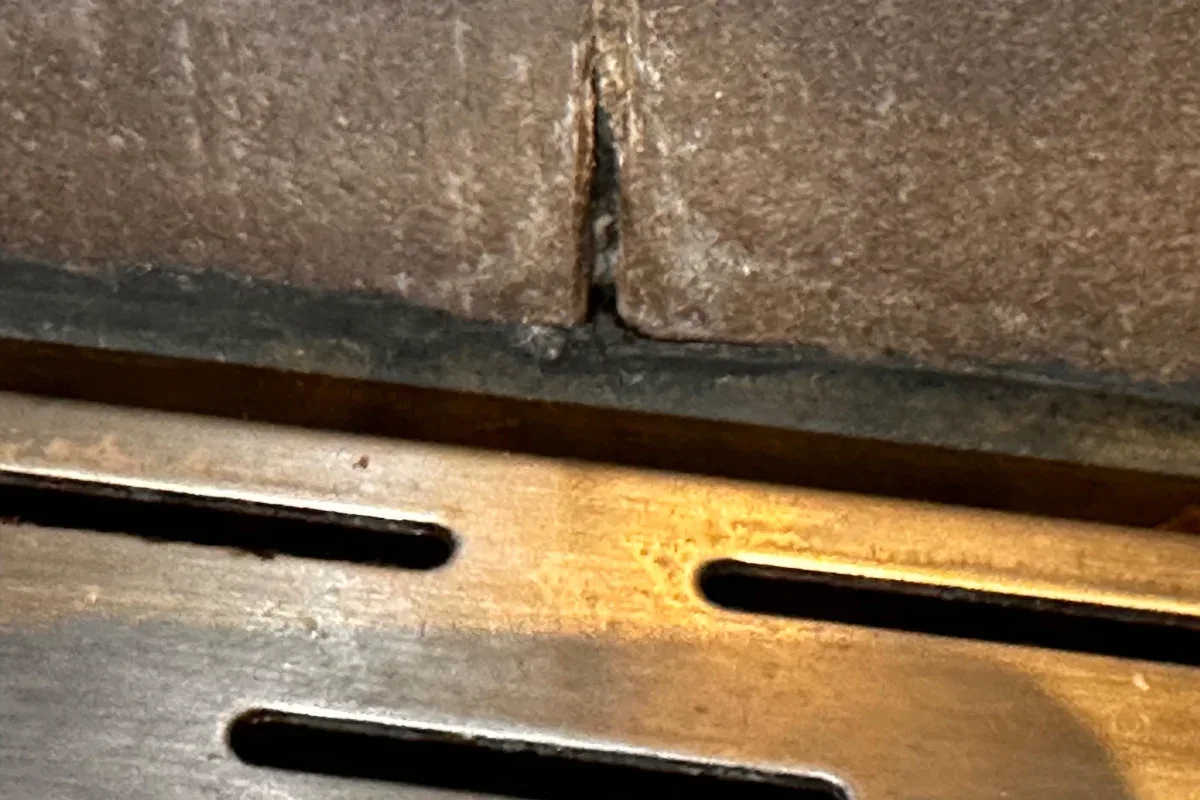
Why is a sealant bead hollow or ragged?
Look along the bead. Voids and torn edges can point to interrupted application or smoothing after a skin formed.
-
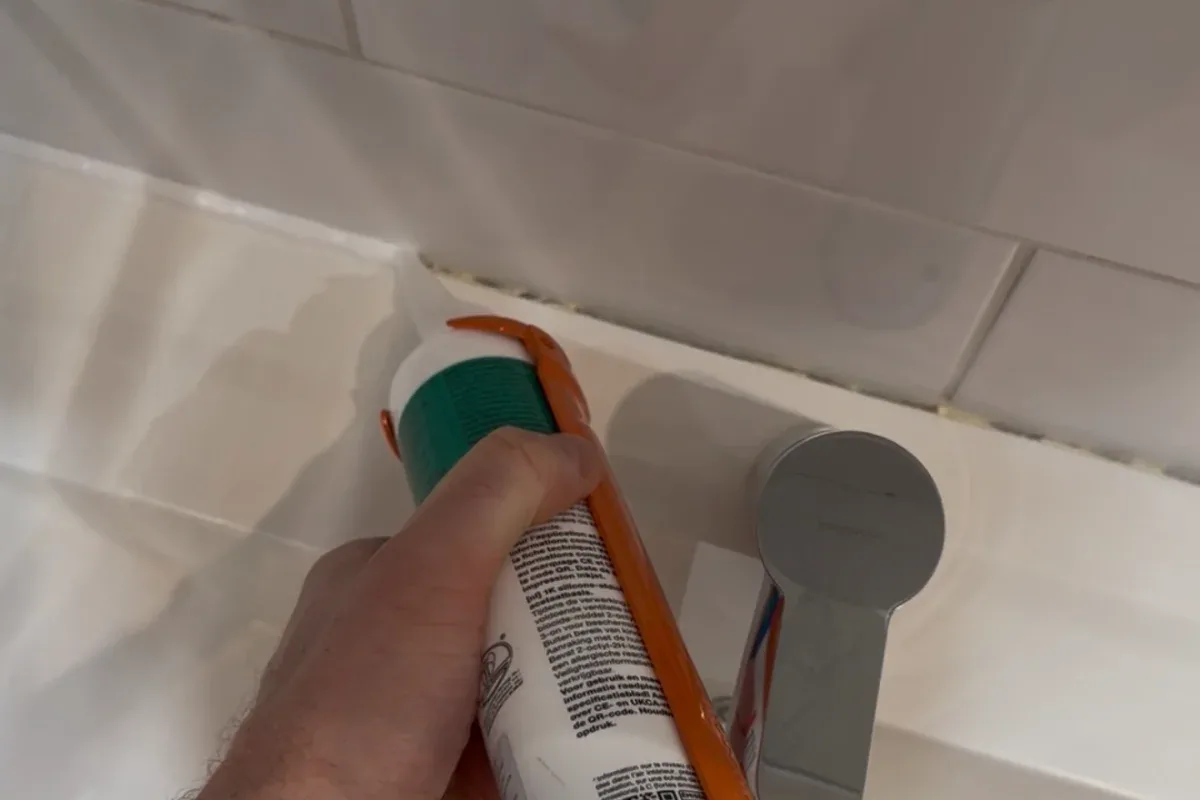
Can you put new silicone over old silicone?
Lift the loose edge to see how far the failure extends. Covering it leaves the new bead resting on the same failing surface.
-
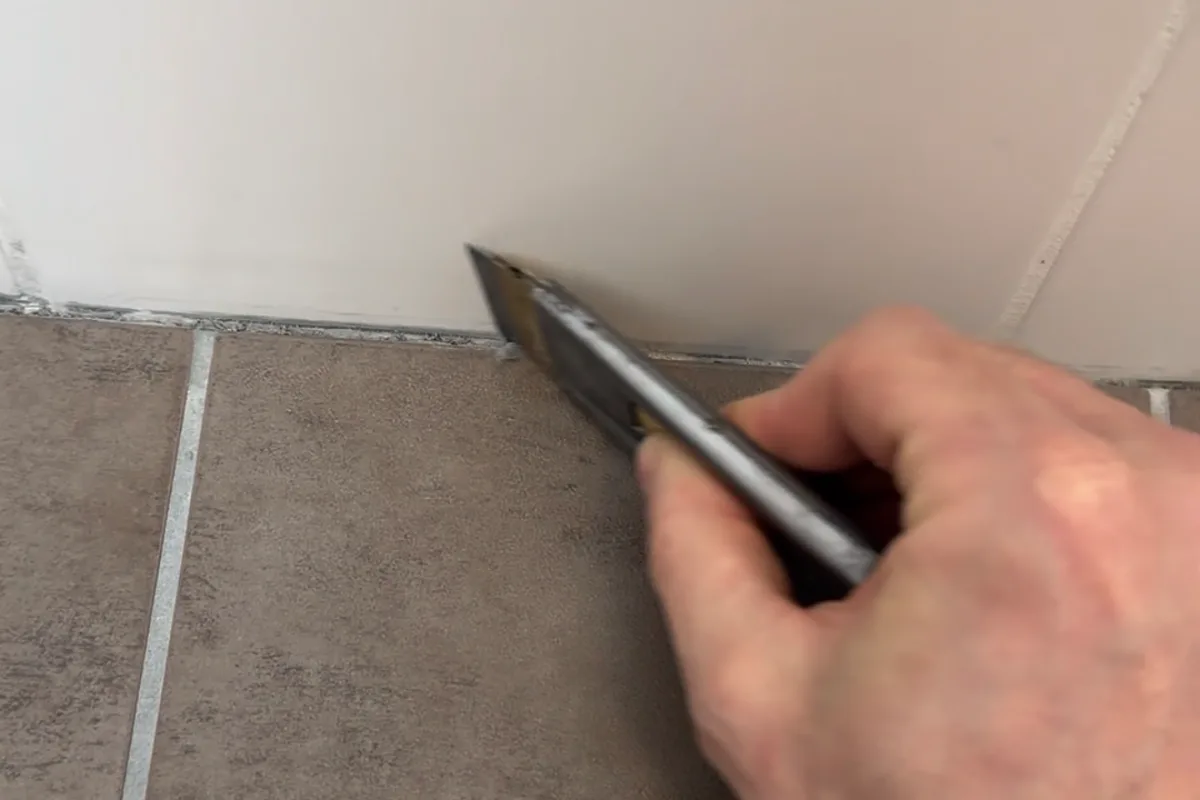
How to remove silicone residue from tiles, glass and fabric
Distinguish a thin smear from a whole bead. Identify the surface finish before choosing how to lift the residue.
-
How long does bathroom sealant last?
Check adhesion on both sides and look for standing water. Age alone tells you little about whether the bead needs replacing.
-
How to spot a poor sealant joint
Inspect the edges, breaks and voids. A wavy line can be cosmetic. A lifting edge can admit water.
-
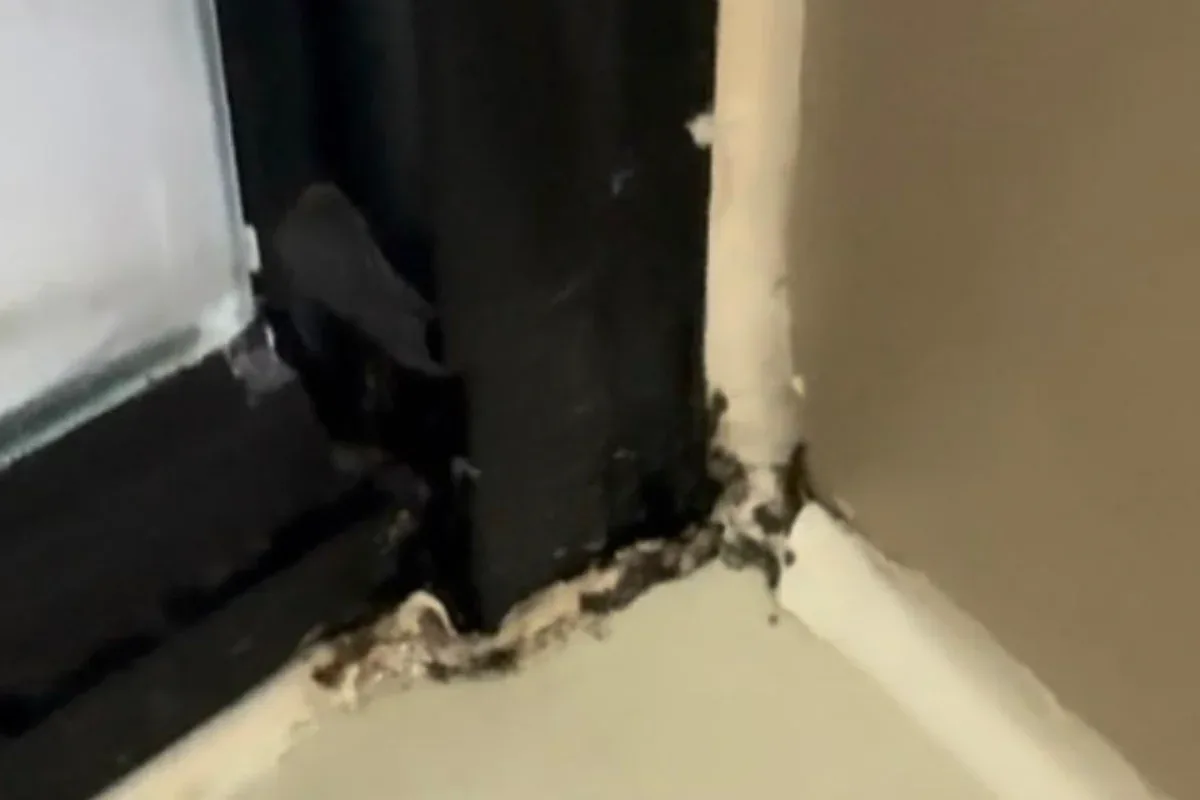
Mould in shower silicone: clean or replace?
Check whether the mark sits on the surface or inside the bead. If it keeps returning, inspect where water collects.
-
Why paint cracks over acrylic caulk
Check the painting interval, movement and paint compatibility. Test both products together before finishing the visible joint.
-
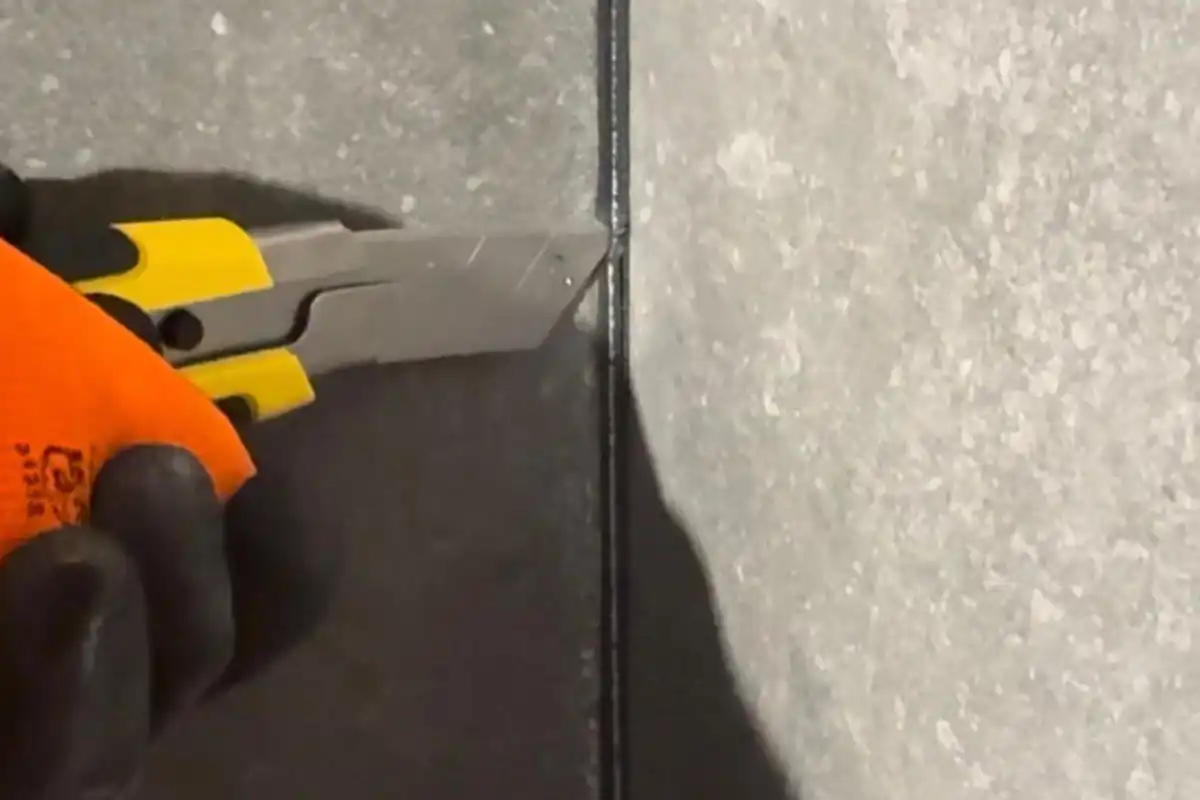
How to remove old silicone without damaging the surface
For a replacement joint, remove the bead and residue from both sides. A smear on glass or fabric calls for a different method.
-
When should you replace a sealant joint?
A discoloured bead and a lifting edge need different checks. Trace water behind a profile before cutting anything out.
-
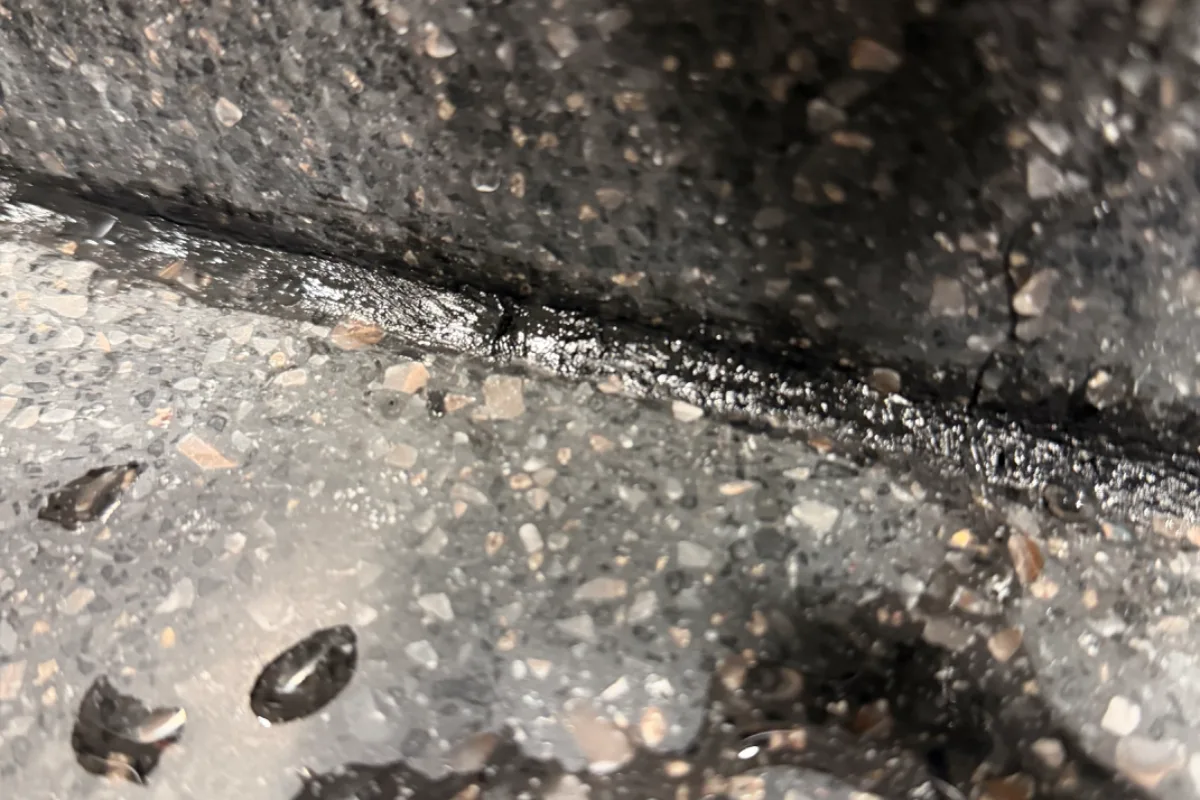
What to check when silicone will not cure
Compare the skin with the centre of a test bead. Check depth, curing conditions and shelf life before covering it.
-
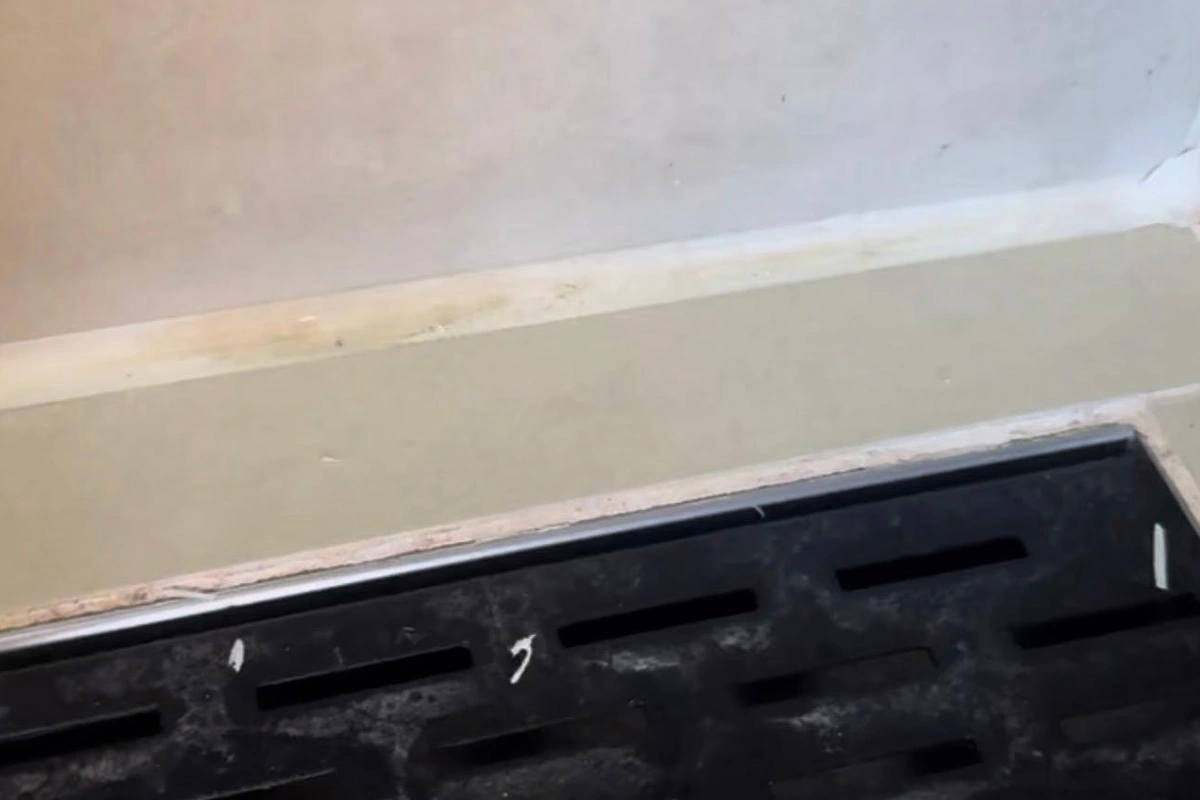
Why white silicone turns yellow
Compare a dry section with one exposed to water. Distinguish a colour change from surface dirt or mould in the bead.