
Bathroom
Clear technical answers — no filler, no invented claims.
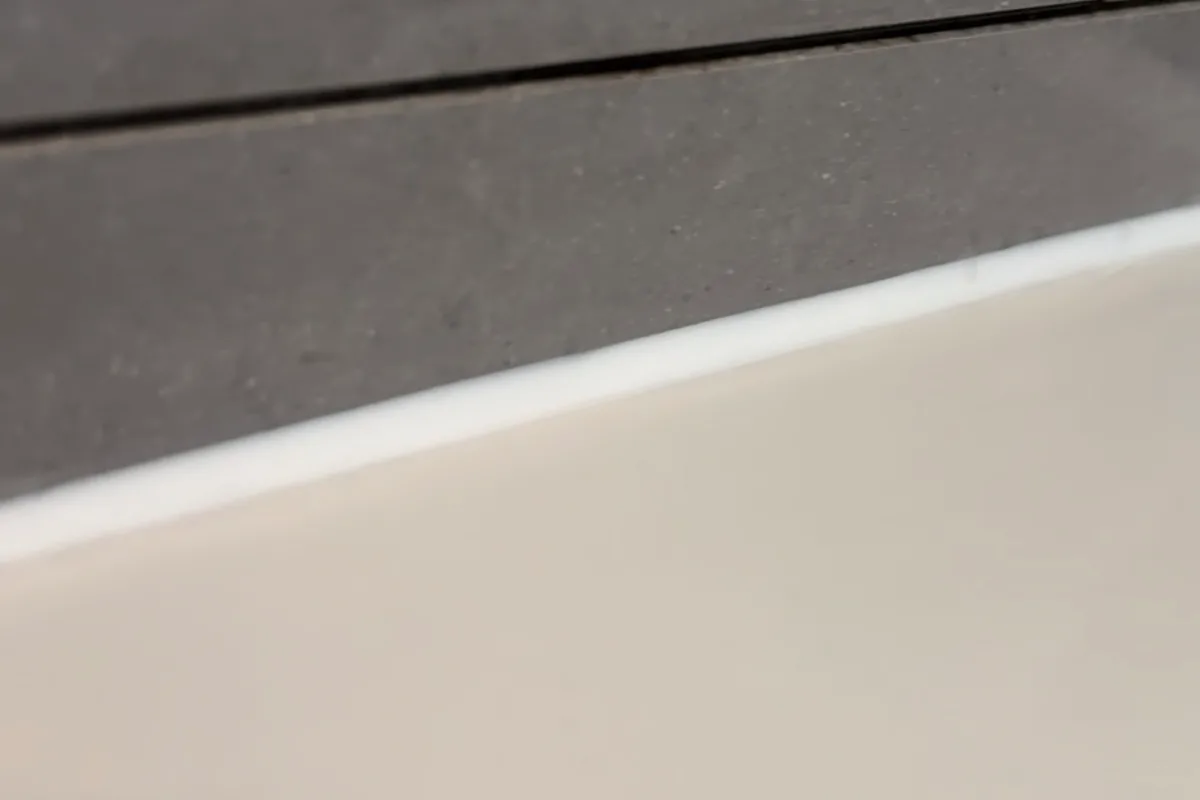
Which edges of a vanity basin need sealant?
Distinguish the wall joint, the support on the unit and the tap seals. Locate the first drop before choosing an edge to treat.
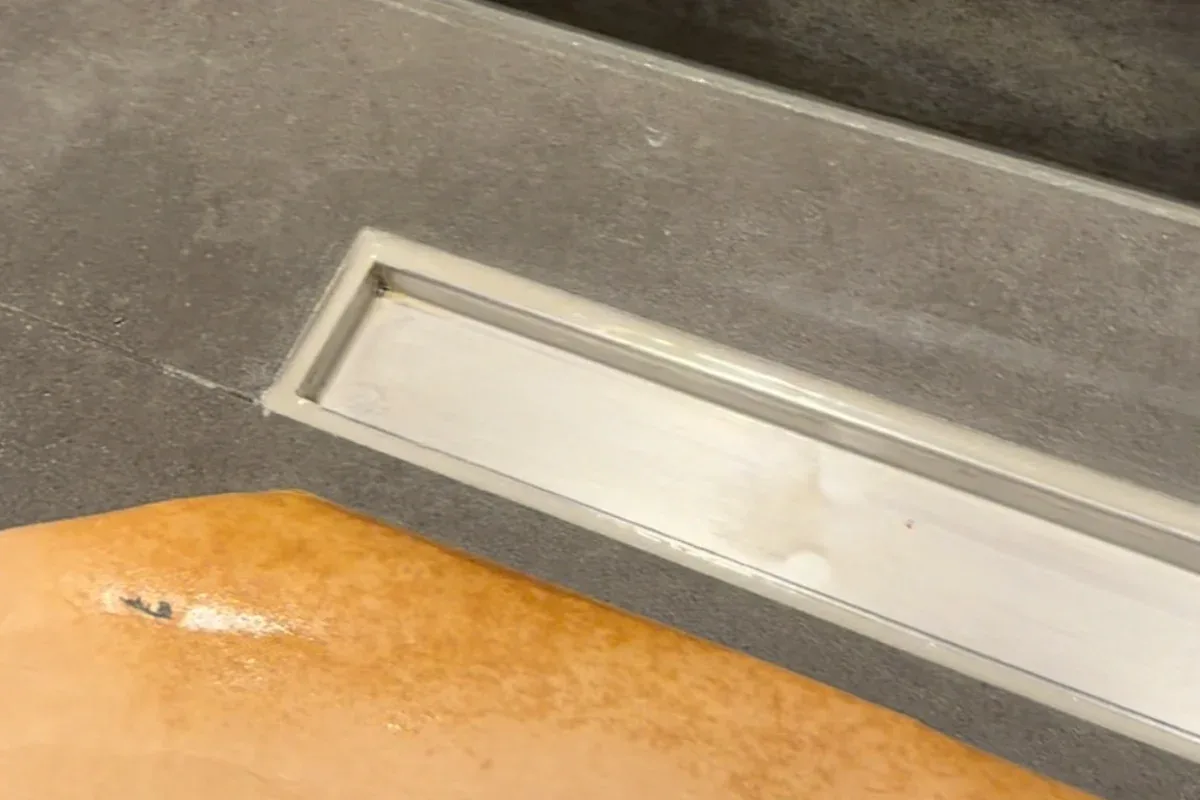
Replace the shower bead or investigate the bathroom?
A worn bead and a leak behind the tiles can look alike. Check stability, the water path and any damage before cutting.
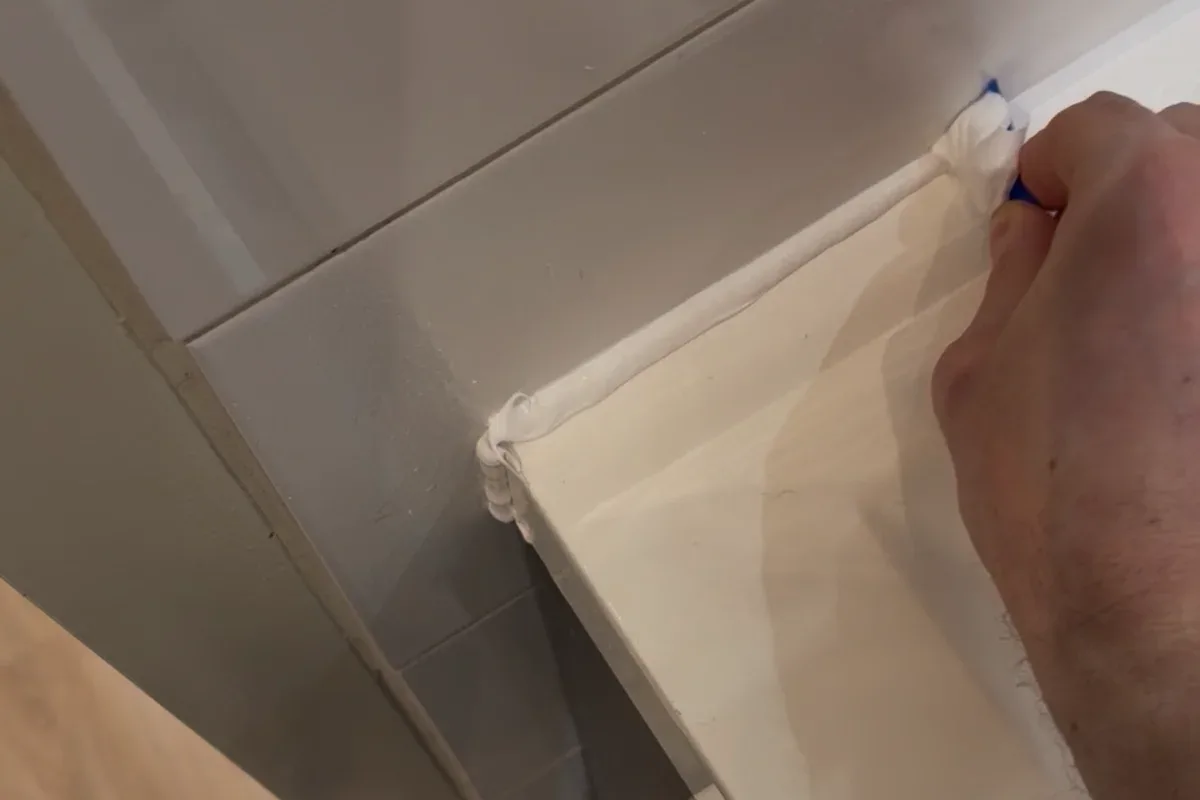
When is a newly built bathroom ready for sealing?
Check substrate drying and the fitting sequence with the installer. The handover date alone does not establish readiness.
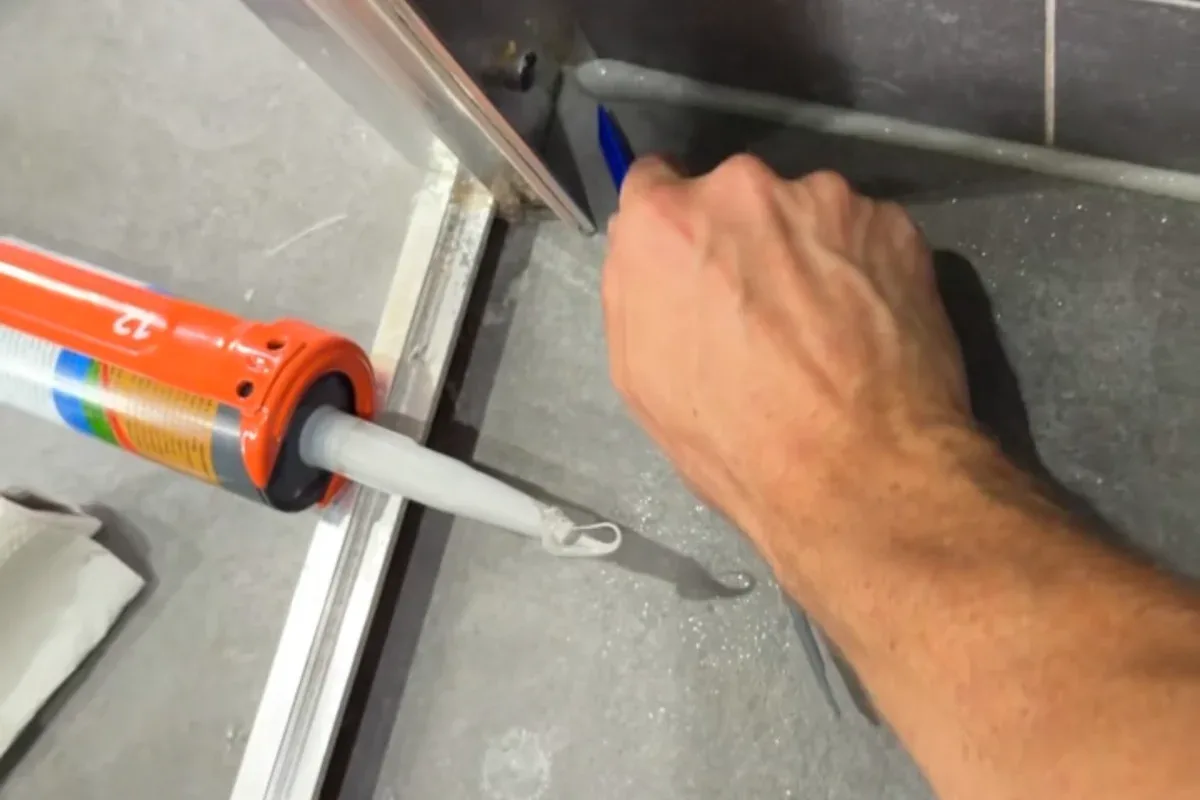
When does a drain detail call for a two-part sealant?
Identify the component and the system detail first. A visible bead cannot replace a fixing or membrane.
-
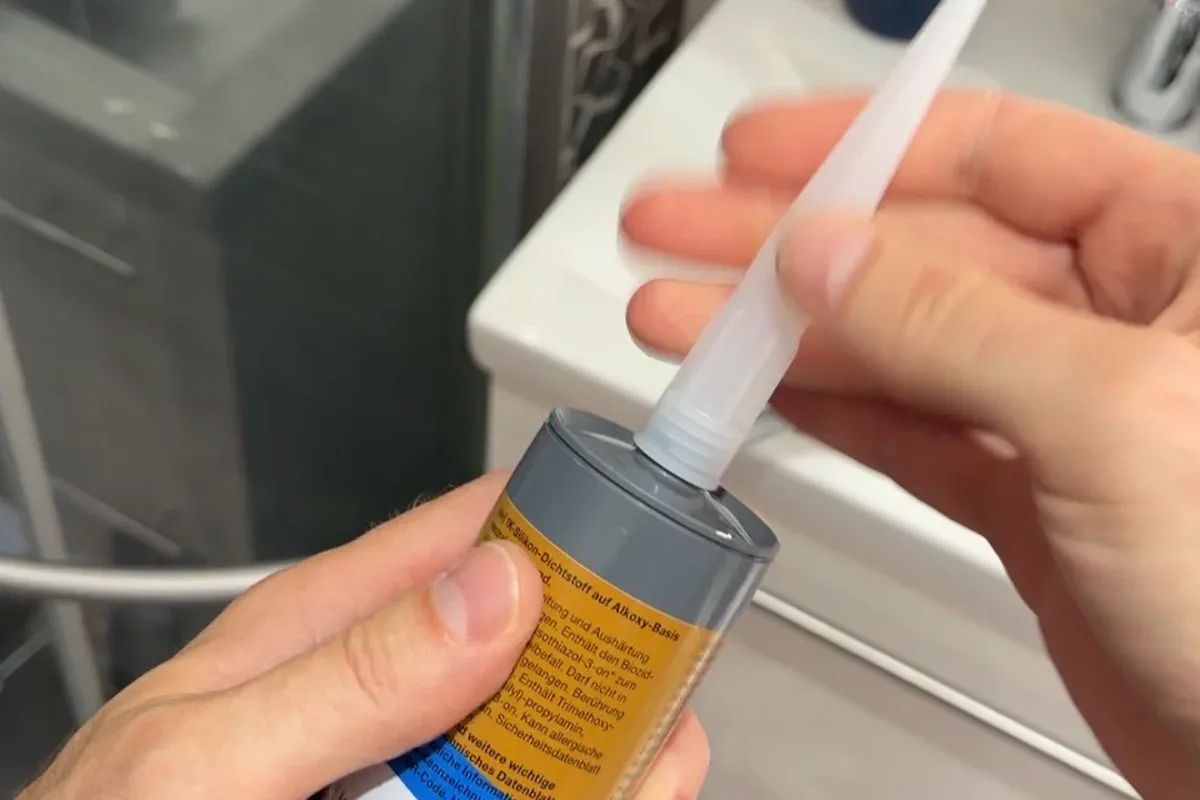
What to check when a shower tray moves
Check the support and movement under load before stripping out sealant. A new bead cannot stabilise the tray.
-
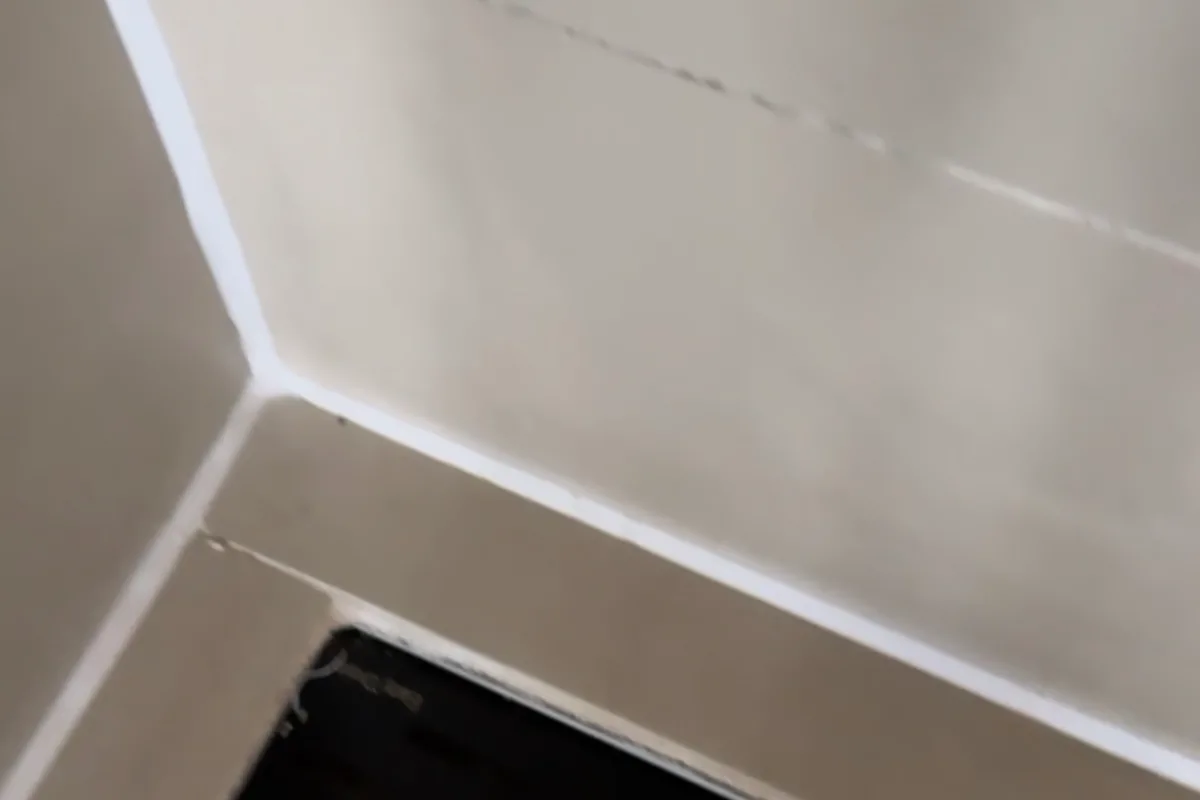
Neutral or acetoxy silicone: how to choose
Choose for compatibility with both surfaces. The smell while curing cannot replace the application chart.
-
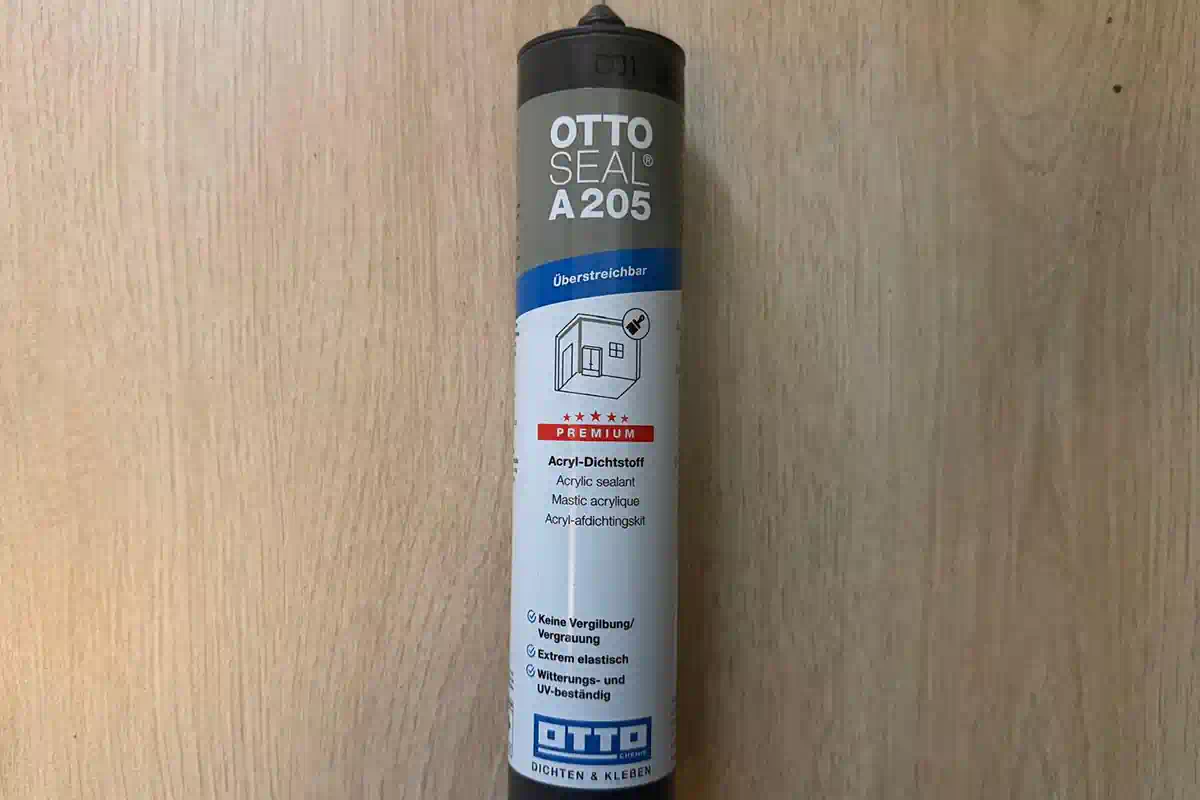
Where can acrylic caulk be used in a bathroom?
Distinguish painted trim in a dry area from a shower corner. Check the permitted exposure before choosing acrylic.
-
Grout or silicone in shower corners?
Distinguish joints between tiles from a change of plane between walls. Check how the junction is designed to move.
-
Should you fill a bath before sealing it?
Check the bath supports and the fitting instructions for sealing under load. Fix any rocking before starting the joint.
-
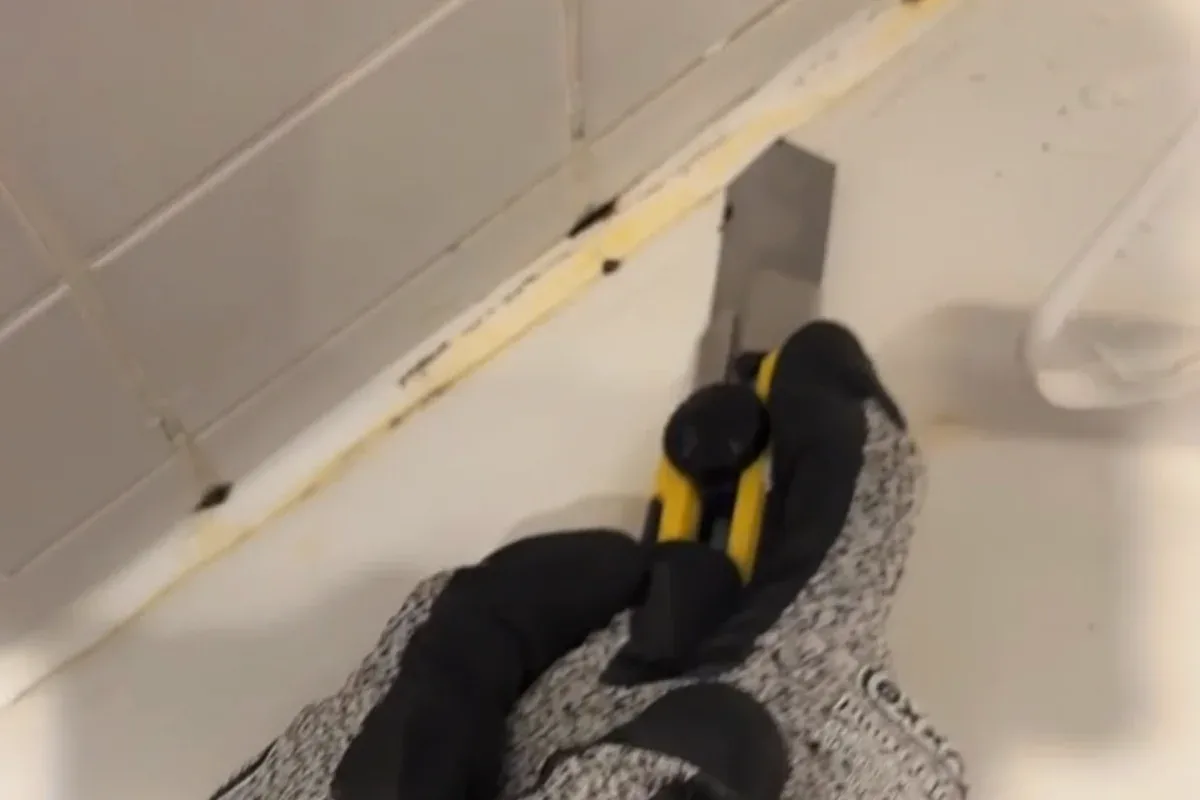
How to seal around a floor-mounted toilet
Check the fixing and flush for leaks first. Finish the visible edge only when the pan is stable and the waste connection is sound.
-
How long does sealing a bathroom take?
Allow time to strip the old bead, prepare and apply the new one, then wait before wetting it. The last interval depends on the sealant.
-
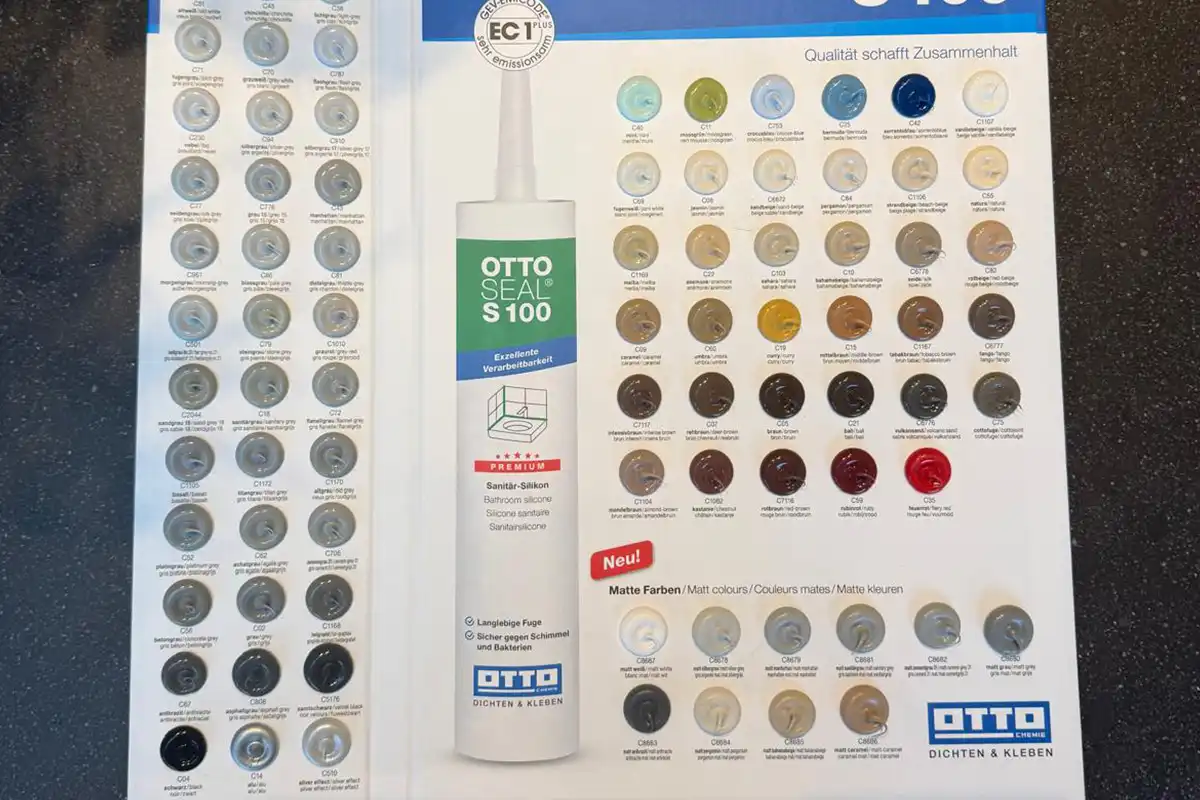
How to choose a sealant colour
Hold a cured sample against both the grout and the tile. Check it in daylight before choosing white, grey or translucent.
-
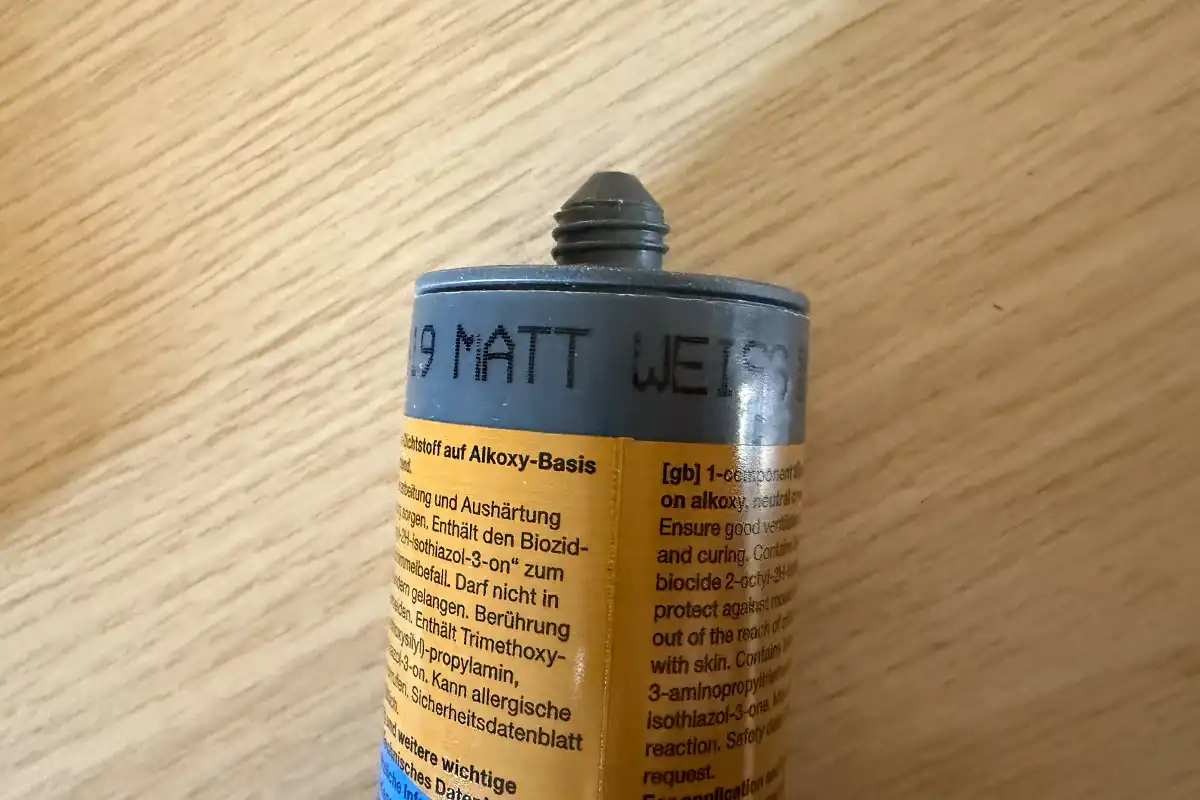
Choosing matt sealant for a concrete finish
Compare a cured sample against the floor in daylight. A glossy bead can stand out more than a slight difference in shade.
-
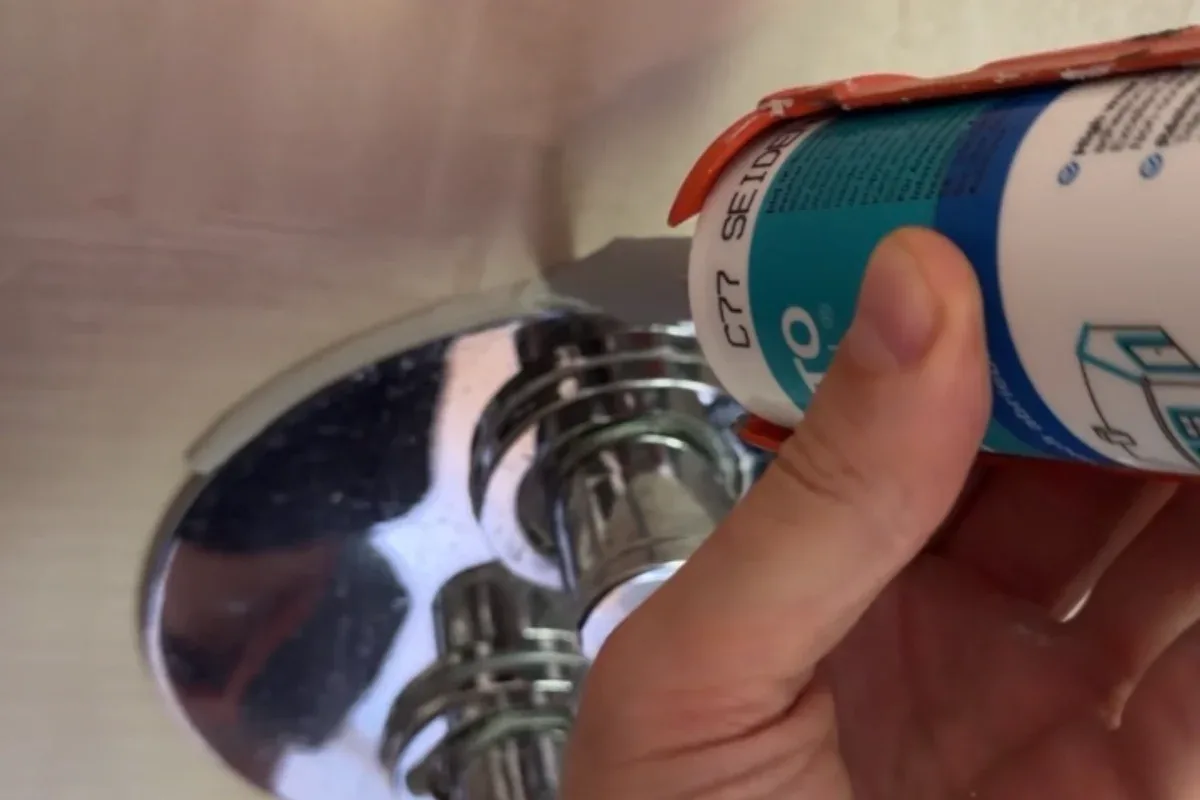
How to test sealant on microcement
Identify the topcoat and test the product in an inconspicuous spot. A mineral appearance does not identify the surface finish.
-
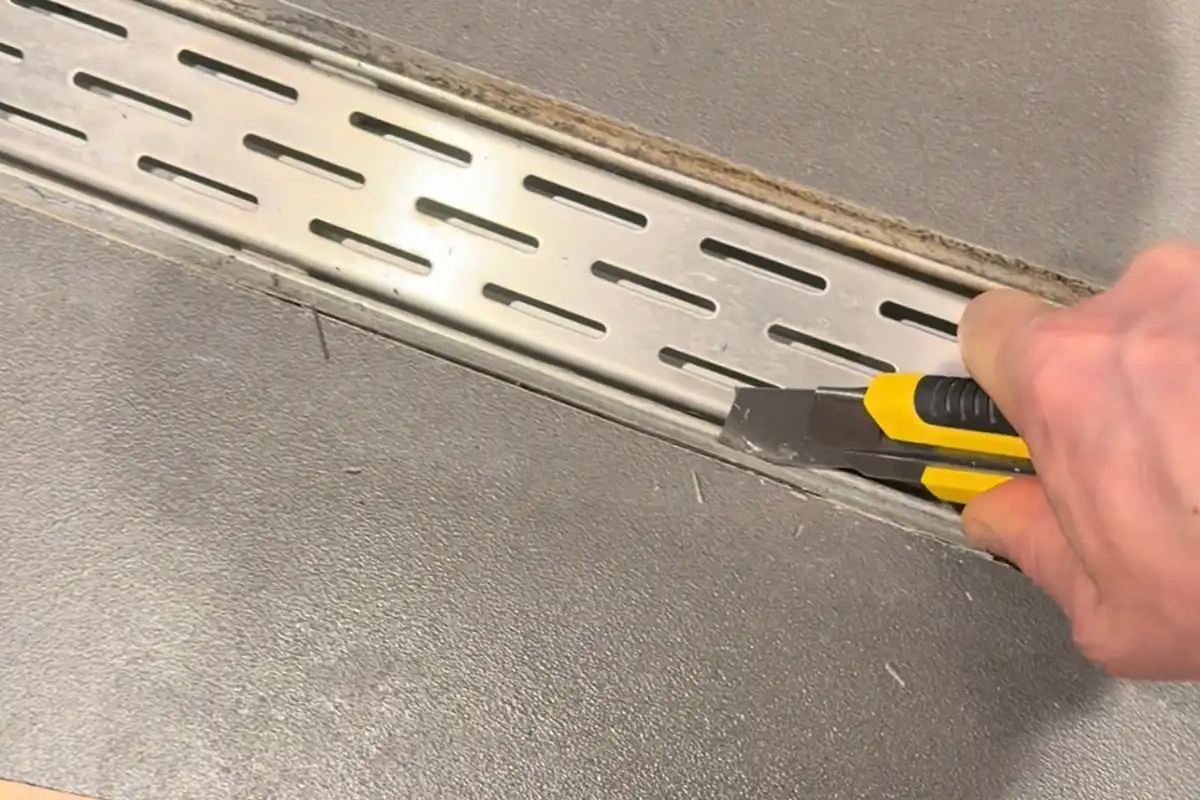
How to seal a shower tray and bathroom joints
Start where the tray meets the wall. The screen has a separate drainage path and its own fitting instructions.
-
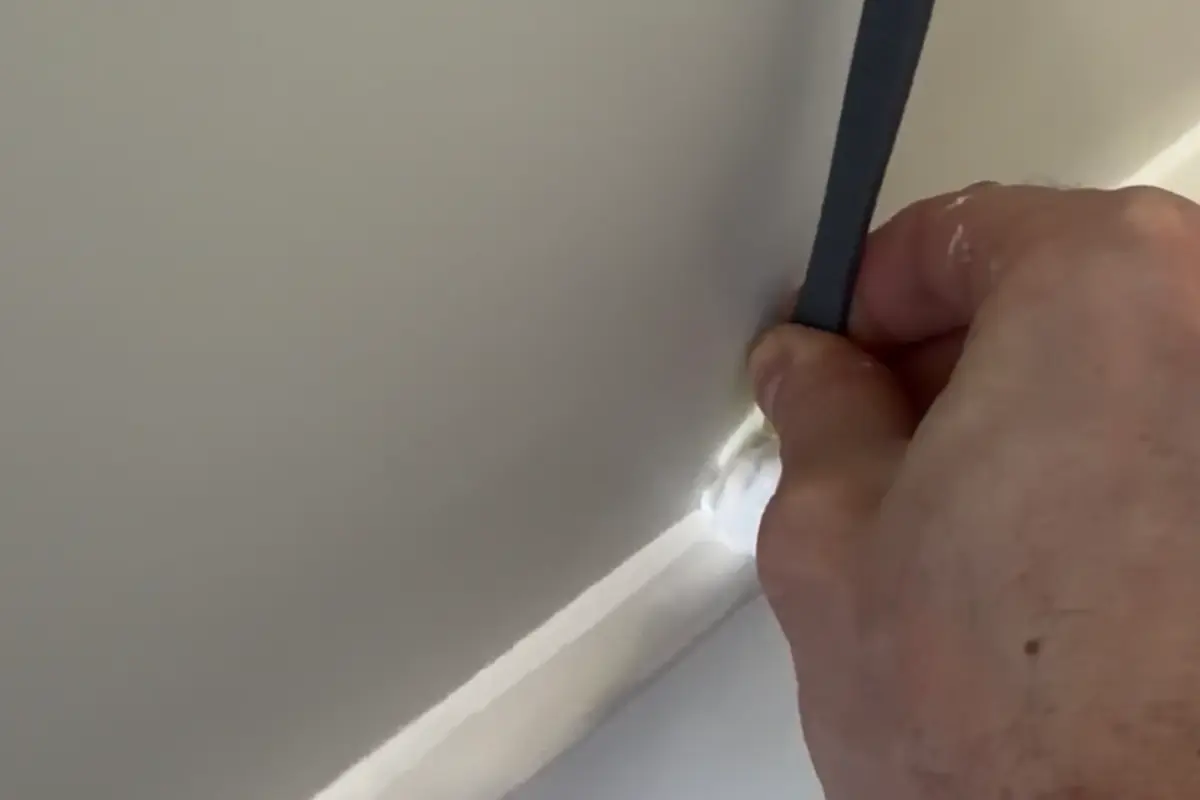
Which silicone is suitable for marble and natural stone?
Test the sealant and smoothing agent on the actual stone. Inspect the edges after curing before working on the visible piece.
-
Where to seal around a shower drain
Separate the visible joint beside the channel from the pipe connection and waterproofing below.
-
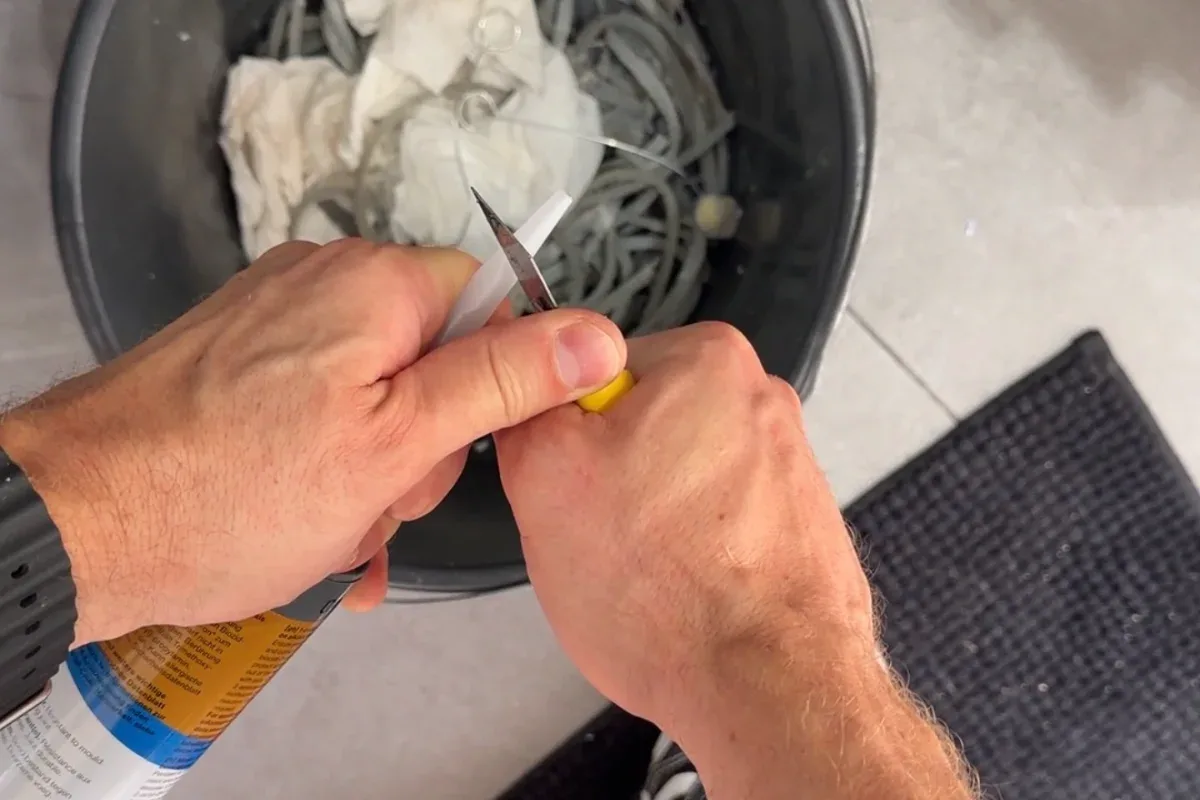
Seal a shower screen inside or outside?
Trace the water through the frame. Your model’s installation drawing identifies the side to seal and the outlets to leave open.
-
Where to seal around a tap and basin
Identify the tap base, basin edge and waste fitting. Check which parts already have their own mounting gasket.
-
Why silicone peels off a shower tray
Check whether the edge has lost adhesion or the tray itself moves under load. A moving tray needs its support checked.
-
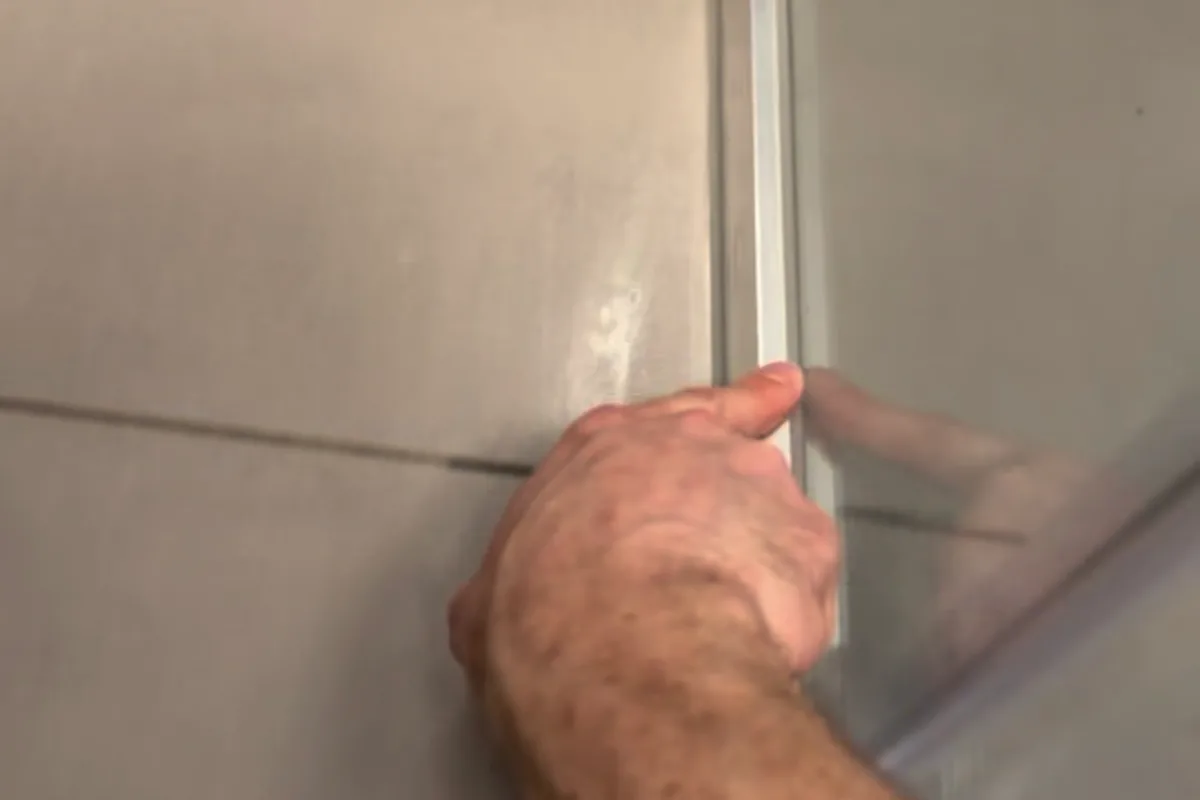
How to seal a level-access shower
Identify the wall-to-floor joint, the drain channel and the waterproofing below the tiles. A visible bead only seals its own junction.
-
Water behind a shower profile: which openings stay clear?
Trace the water through the frame and locate the outlets on the installation drawing before applying sealant.
-
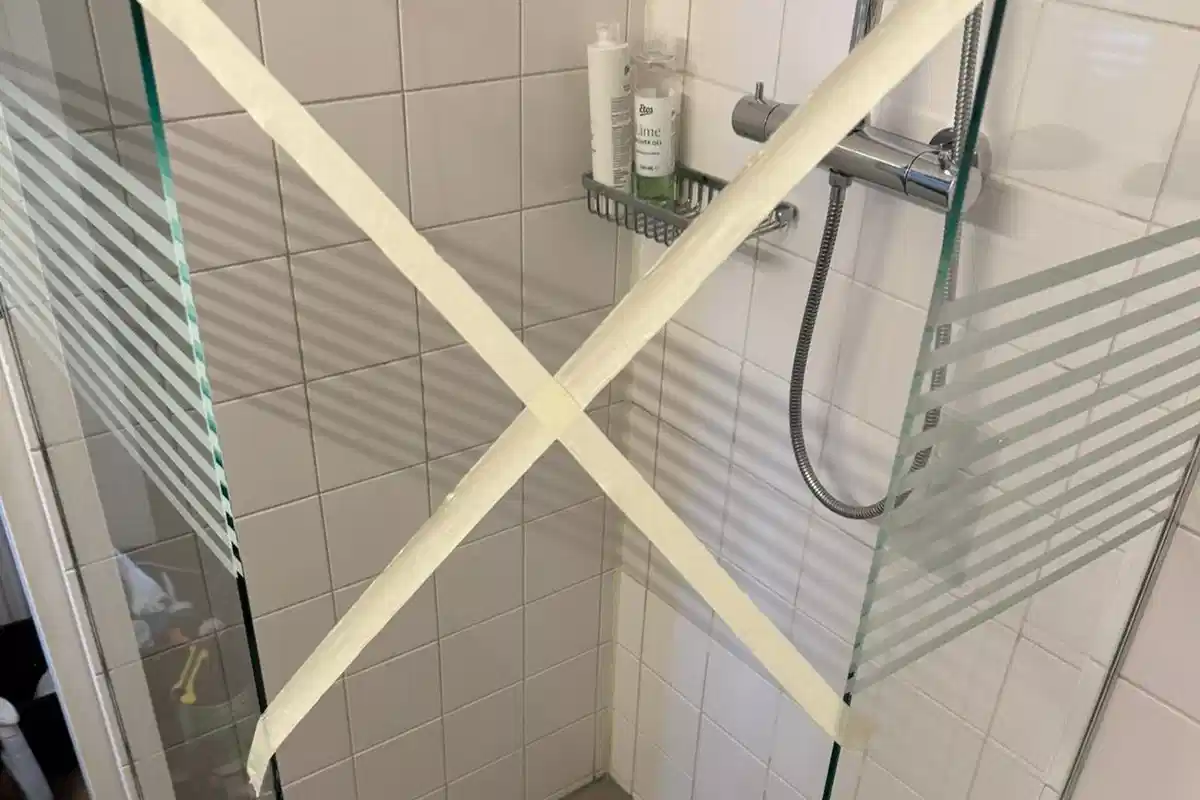
When can you shower after sealing?
A skin may form while the centre is still soft. Check the cartridge instructions for the wait before water exposure.
-
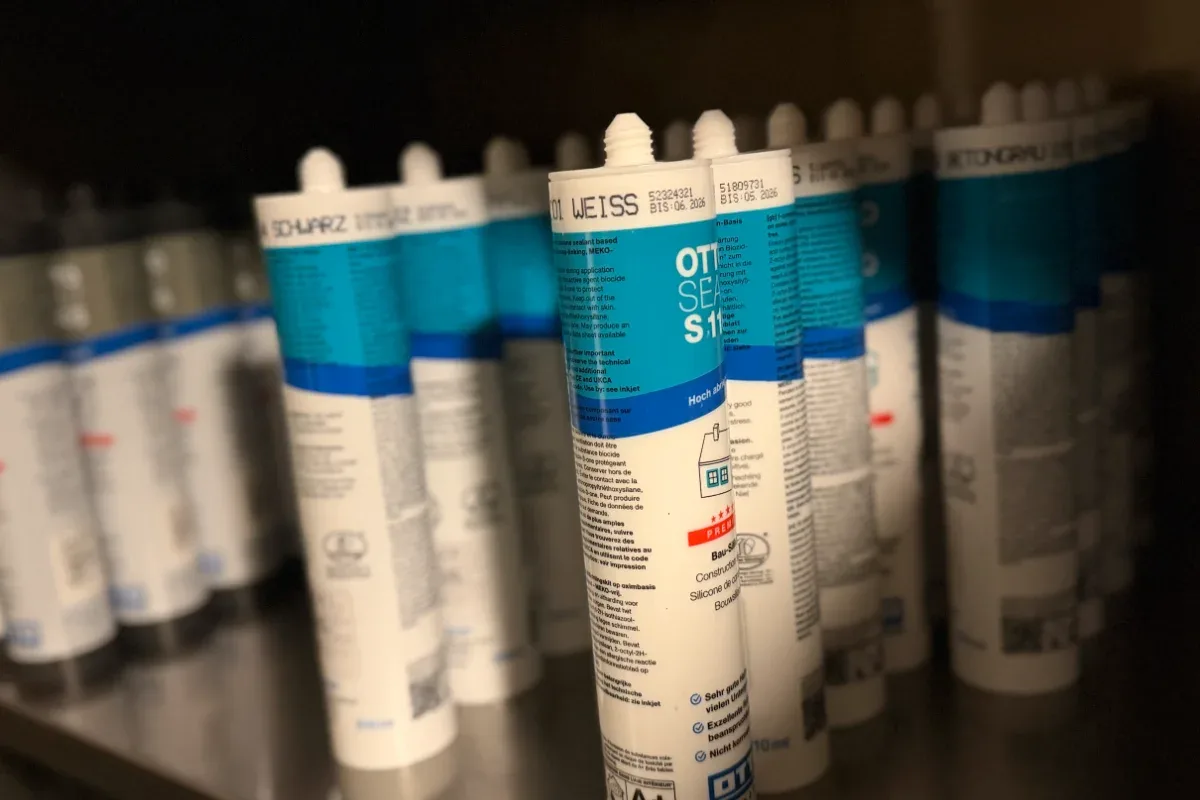
Which sealant should you use in a bathroom?
Start with the surface and water exposure. Tile, natural stone and a trim that needs painting call for different choices.