
How to seal the worktop-to-wall joint
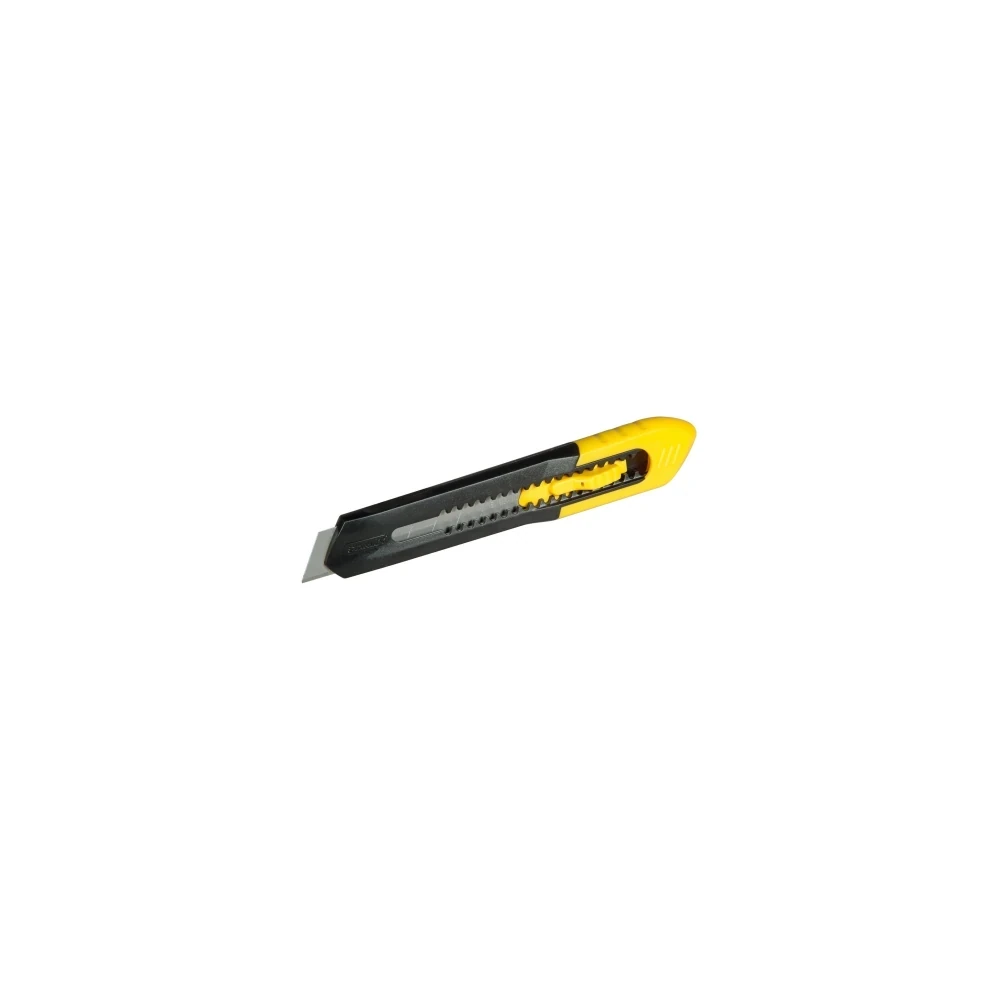
Identify the fixed edge and the worktop material. Check appliance instructions separately for a hob.
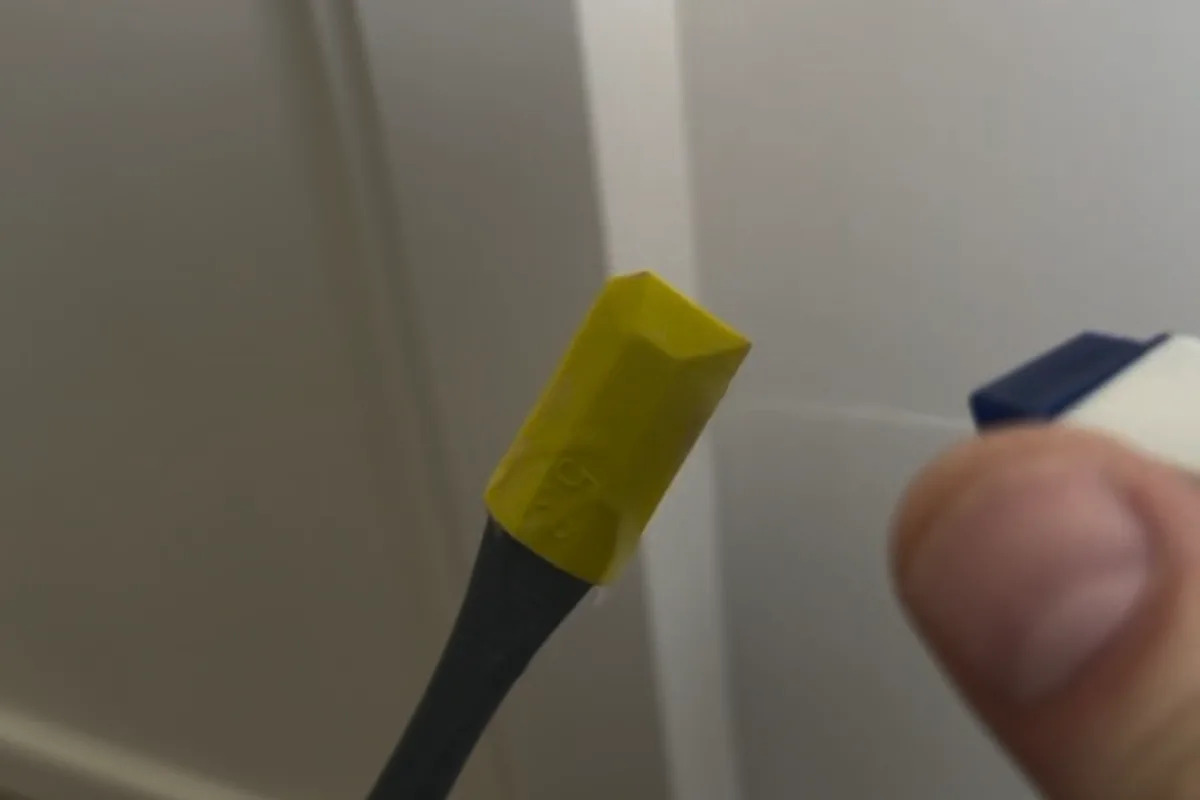
Degrease properly with a technical cleaner: a film of cooking fat kills adhesion. On stone, stone silicone; at the sink, a sanitary bead that will take water and soap. The hob asks for heat; a universal cartridge will not do.
Buying through a product link may earn us a commission at no extra cost to you.
 Remove an old white kitchen jointWatch in Spanish →
 Choose a colour between wall and worktopWatch in Spanish →
Preparing the worktop edge
A worktop joint lives or dies on the substrate, not the colour. A film of frying fat, even if you cannot see it, blocks adhesion. The bead lets go after a few months, the sink drips into the cupboard and the carcass rots with nothing dramatic on the face.
Household all-purpose cleaner often leaves another film. I use a technical cleaner, something like OTTO Cleaner T, and let it dry. It is not theatre: it is the difference between a bond and a pretence.
A long top can move millimetres with a hot pan or sun on the edge. A skinny fillet tears through the middle (cohesion). Geometry — width against depth — matters as much as the chemistry. If the hob rocks, the bead fails anyway: clamp it first.
Where the detail calls for sanitary silicone on two compatible surfaces, consider OTTOSEAL S100. Porous stone needs a stone-compatible product.
The four zones
Around the sink: more water, more soap. Soap attacks the fungicide. Here I want decent sanitary silicone, not a leftover from the tiling.
Against the upstand or wall: different materials often meet (timber, glass, stone). More movement, more chance of a split.
Beside the hob: heat and aggressive fat. The bead fades, goes brittle or lets go first.
The end cap / edge: knocks, chairs, the supermarket of corners. Mechanical load; the flank peels.
Use Cleanprimer 1101 only where the manufacturer’s primer table specifies it for that sealant and non-porous substrate. Observe the flash-off time. It is not a household cleaner or stain remover.
Chemistry by the top
Natural stone or composite: OTTOSEAL S70 (or another stone silicone). Acetoxy sanitary grade stains the edge with a plasticiser halo.
Laminate, compact, general meetings: OTTOSEAL S110 often suits me, neutral, without eating the aluminium of a trim.
The hob: pick a product that will take the heat load of that install, not the cheapest tube on the shelf.
If one edge is marble or natural stone, trial OTTOSEAL S70 on an offcut and check the tooling agent before touching the visible surface.
Dry-fit the FUGENFUX profiling tool. Choose the edge that meets both sides without scooping out the middle, then tool the bead before a skin forms.
How I do it
- Strip old residue fully if you are replacing.
- Degrease for real and let it dry.
- On a rough face (textured plaster, coarse stone), tape can keep a clean line.
- Gun the bead under pressure, into the back of the meeting.
- Tool with a neutral finisher. A finger in lemon washing-up liquid eats the mould protection; six months later, black dots.
Before opening the cartridge, try the Presch silicone gun in the tightest corner. Check you can turn your wrist and release pressure at the end of the run.
Tools and materials for this job
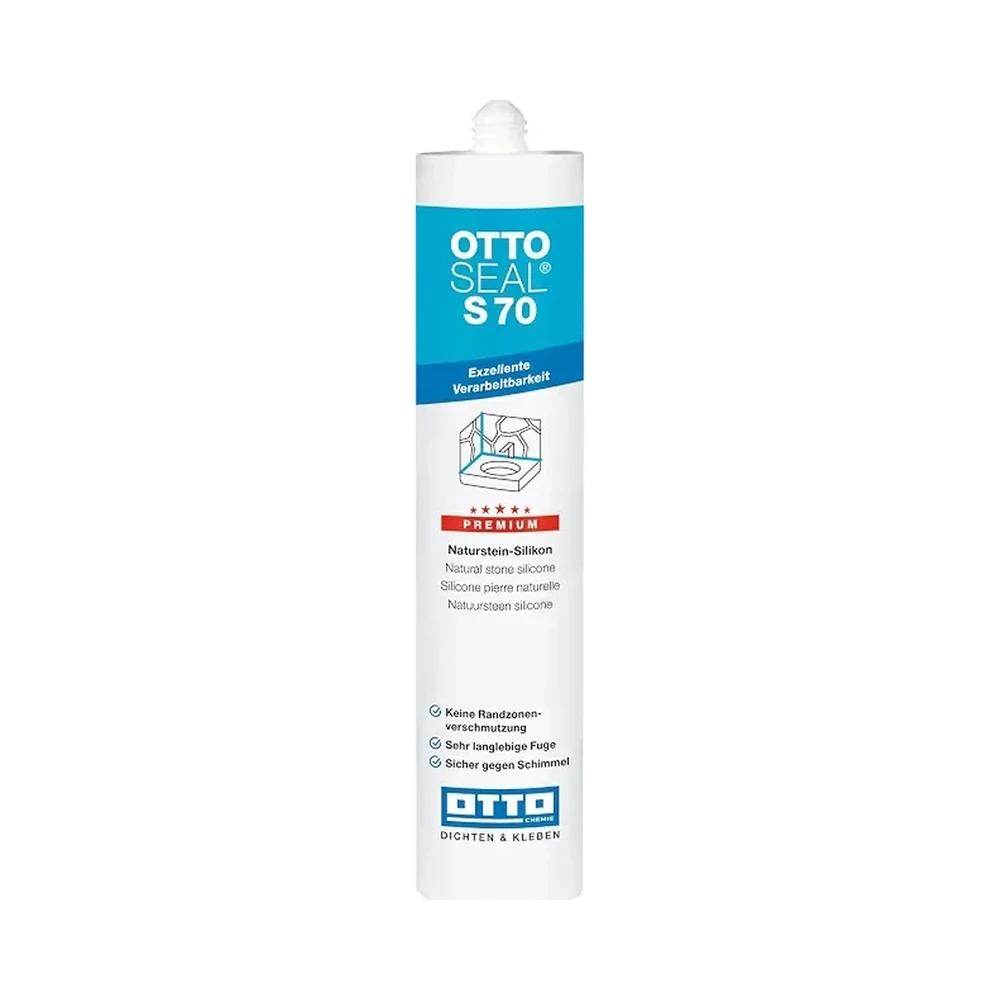
OTTOSEAL S70
For compatible natural stone. Test colour and finish on an offcut.
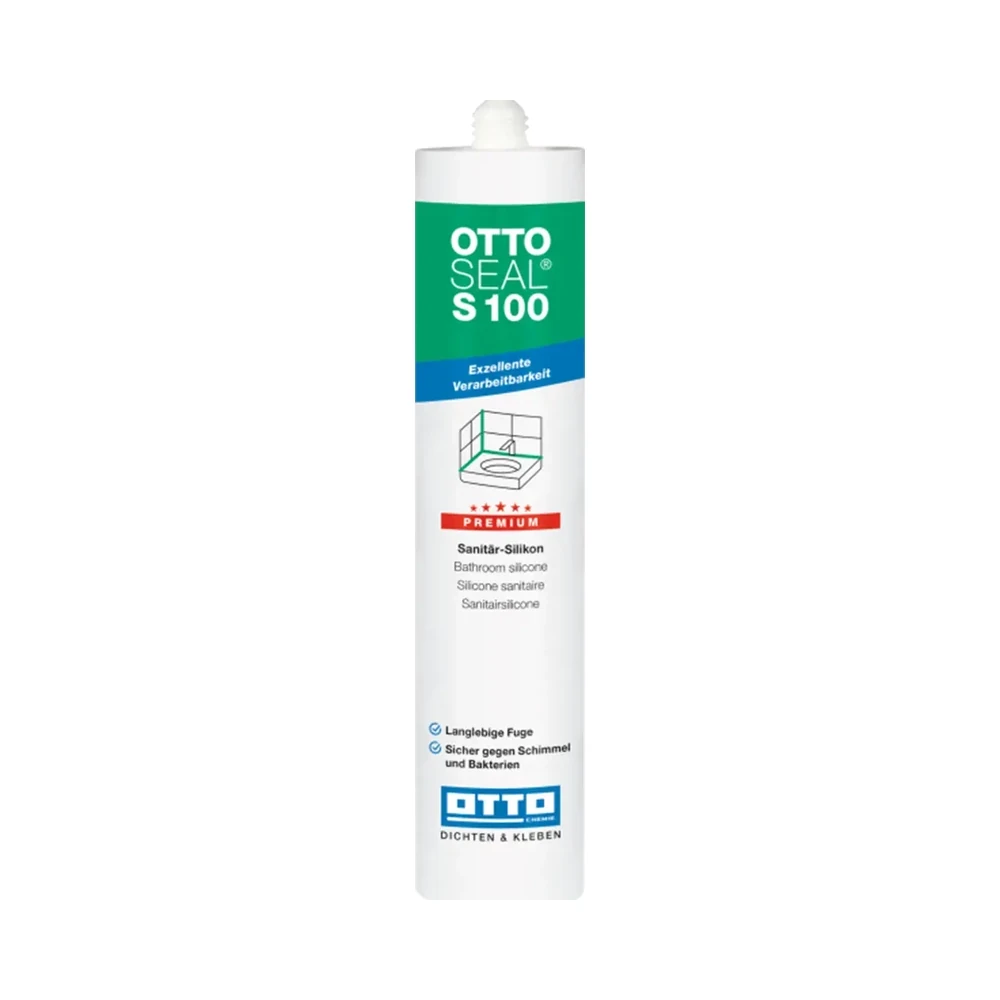
OTTOSEAL S100
Sanitary silicone for compatible surfaces. Check both edges before opening the cartridge.
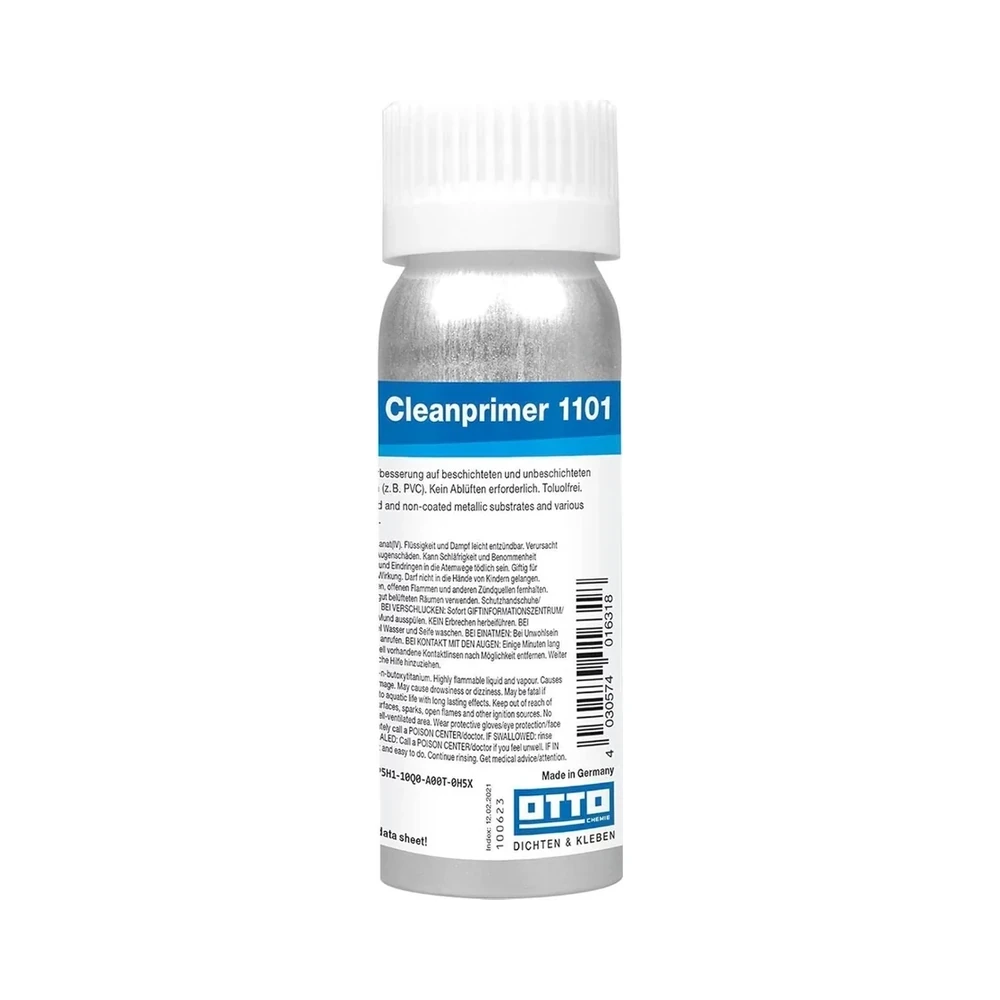
Cleanprimer 1101
Pretreatment for specified non-porous substrates; consult the primer table.

Presch silicone gun
Manual cartridge gun. Check you can release pressure in the last centimetre.
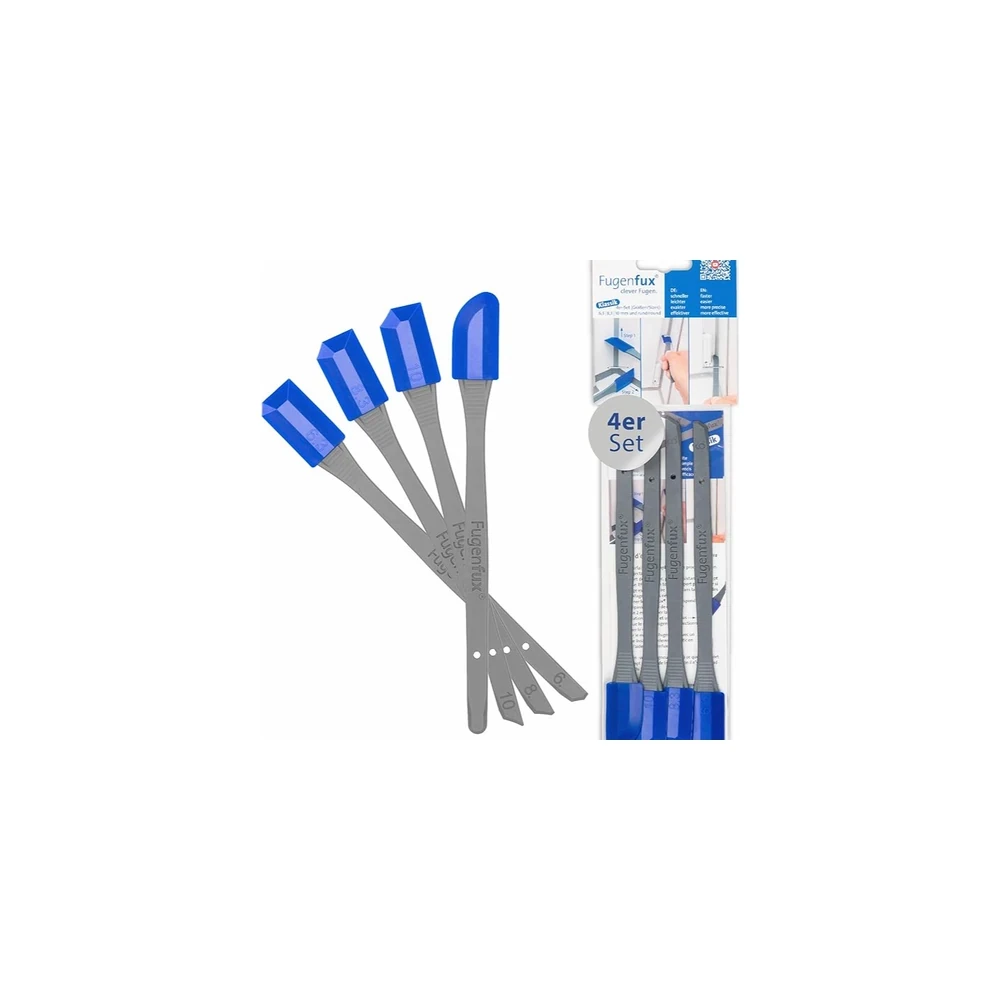
FUGENFUX
Profiling tool. Dry-fit the edge that reaches both sides of the joint.
What the cartridge will not fix
A hob that is not clamped. A sink already leaking at the waste, not at the joint. Closing that with more silicone is theatre: the water still finds the cupboard.
-
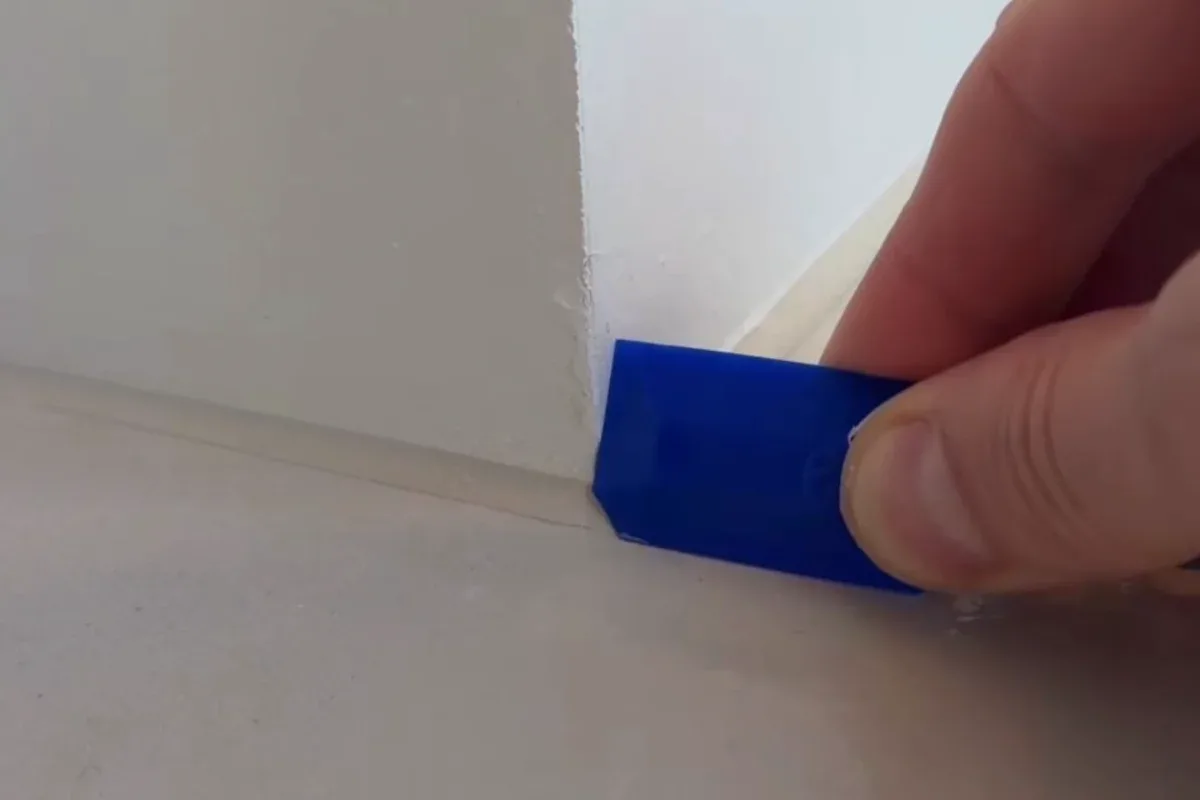
How to seal a sink to a worktop
Dry the cabinet and locate the first drop. If it comes from the trap or waste fitting, resealing the rim will not stop it.
-

Preparing a surface for sealant adhesion
Remove loose material, then check the cleaner and any primer against the actual surface.
-
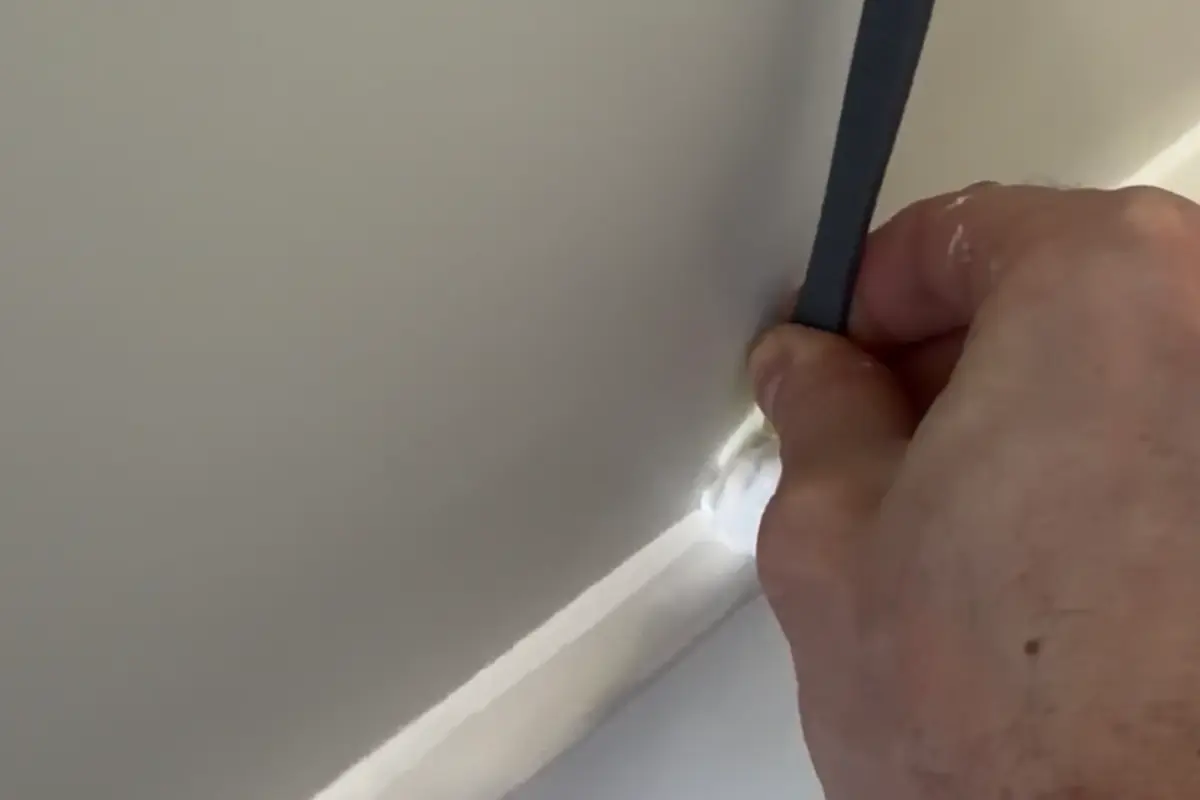
Which silicone is suitable for marble and natural stone?
Test the sealant and smoothing agent on the actual stone. Inspect the edges after curing before working on the visible piece.