When does a drain detail call for a two-part sealant?
Identify the component and the system detail first. A visible bead cannot replace a fixing or membrane.
Buying through a product link may earn us a commission at no extra cost to you.
Identify the component and system
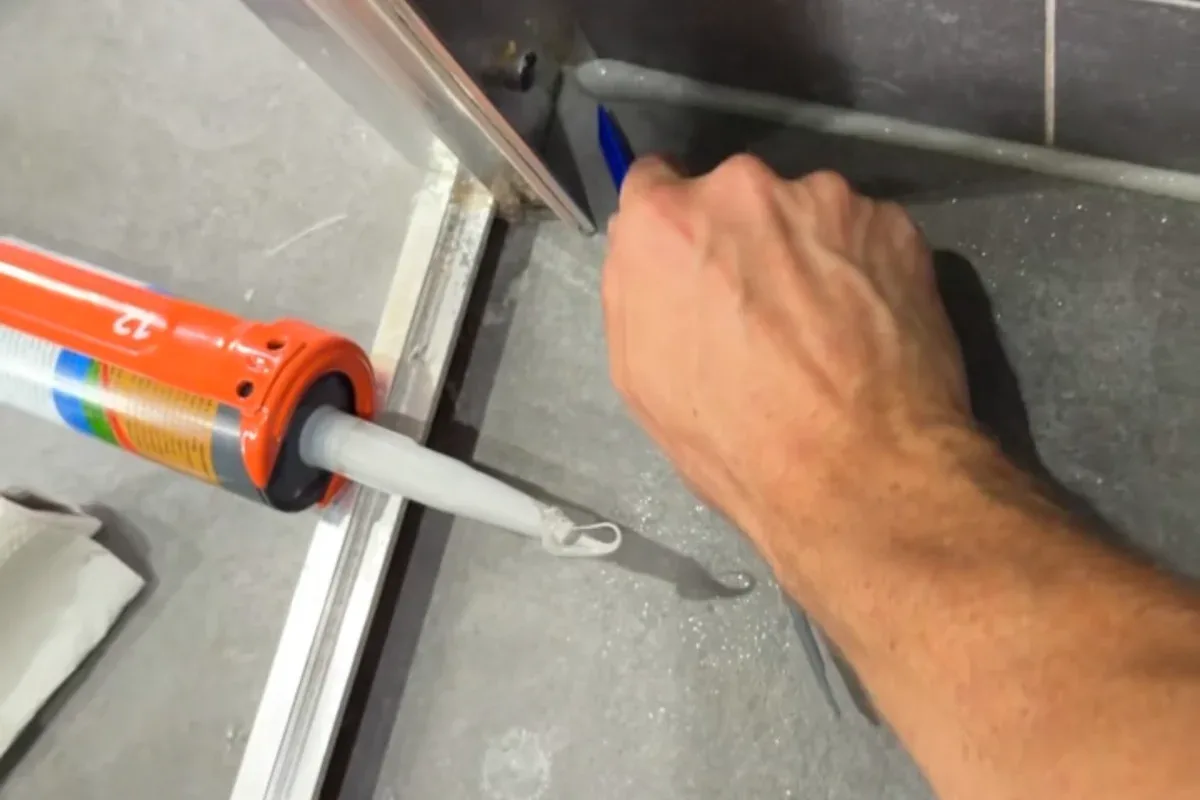
If a two-part material is specified, confirm the substrates, application, mixing ratio and working time. Prepare the access and tooling profile before mixing. Discard material once its stated working time has passed.
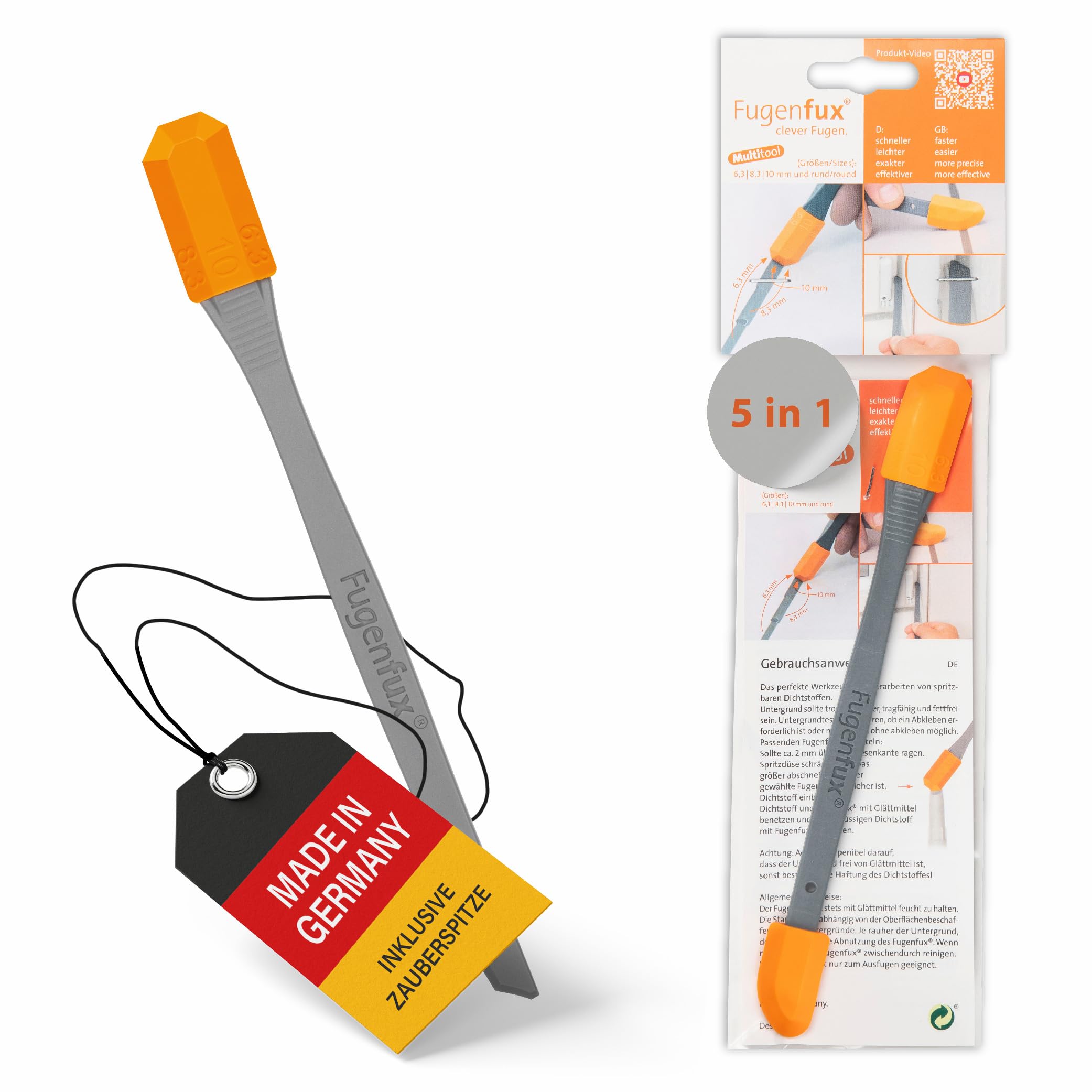
Try FUGENFUX beside the grate before mixing. Tool only the drain system’s specified material if its instructions permit this method; leave drainage channels open.
When to stop
Do not substitute rigid epoxy or ordinary sanitary silicone for a specified system. If the channel moves or moisture appears underneath, stop using the shower and check the fixing and waterproofing. A profiling tool shapes an approved joint; it cannot decide which compound the system needs.
Before you mix
Dry-fit the grate and identify removable parts. Try the tool empty, especially in corners. If a static mixer is specified, follow the start-up procedure and discard poorly mixed material. Record mixing time and earliest permitted return to service.
Tools and materials for this job
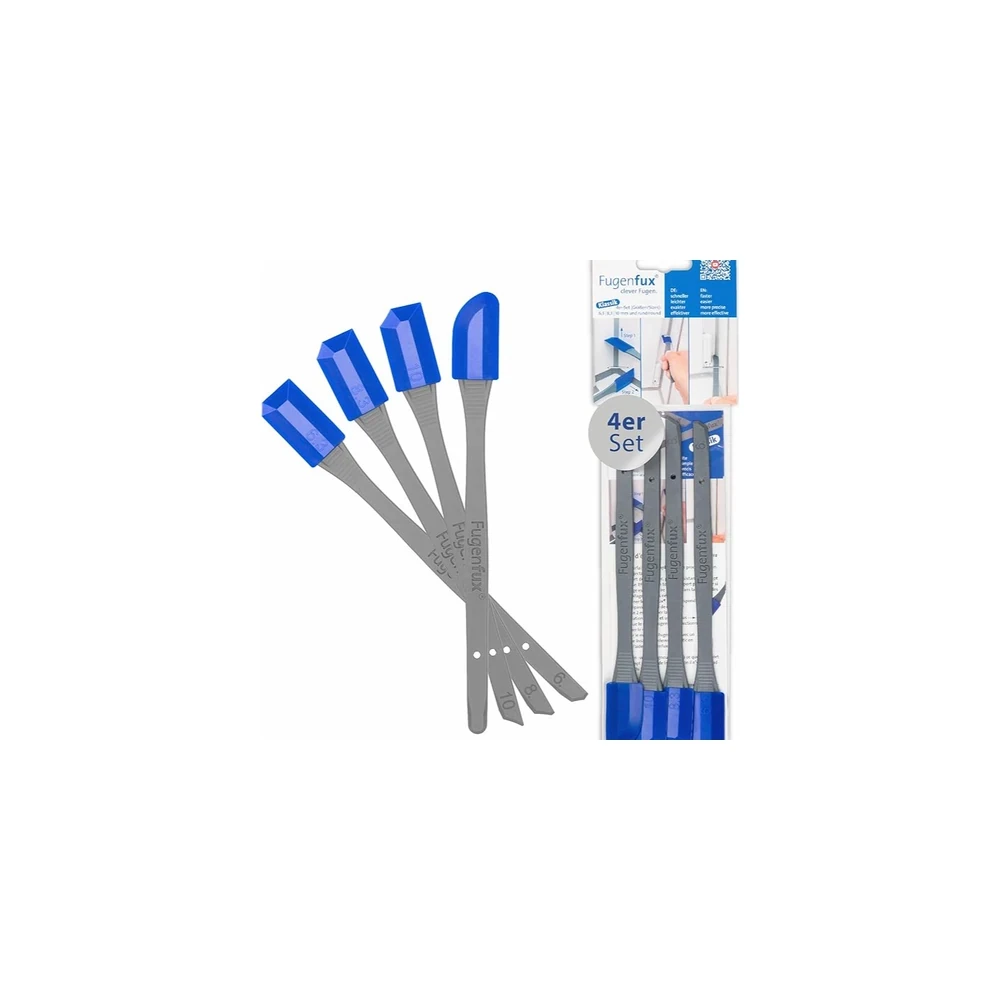
FUGENFUX
Profiling tool. Dry-fit the edge that reaches both sides of the joint.
Can I close the slots next to the grate?
Leave drainage slots open. Try the tooling pass dry so you know exactly where it should stop.