
Prep & joint design
Clear technical answers — no filler, no invented claims.
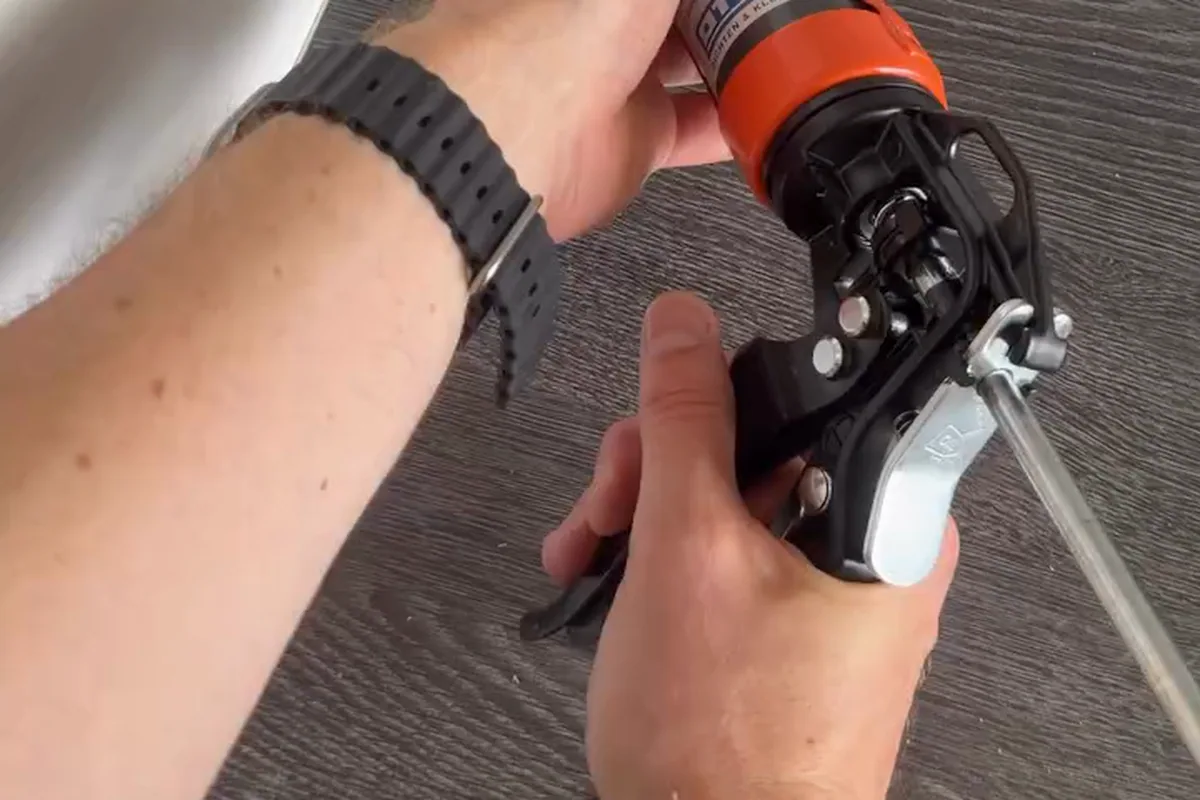
How to practise running and tooling a sealant bead
Start with a straight practice joint. Repeat the start, stop and turn into a corner before working on a visible surface.
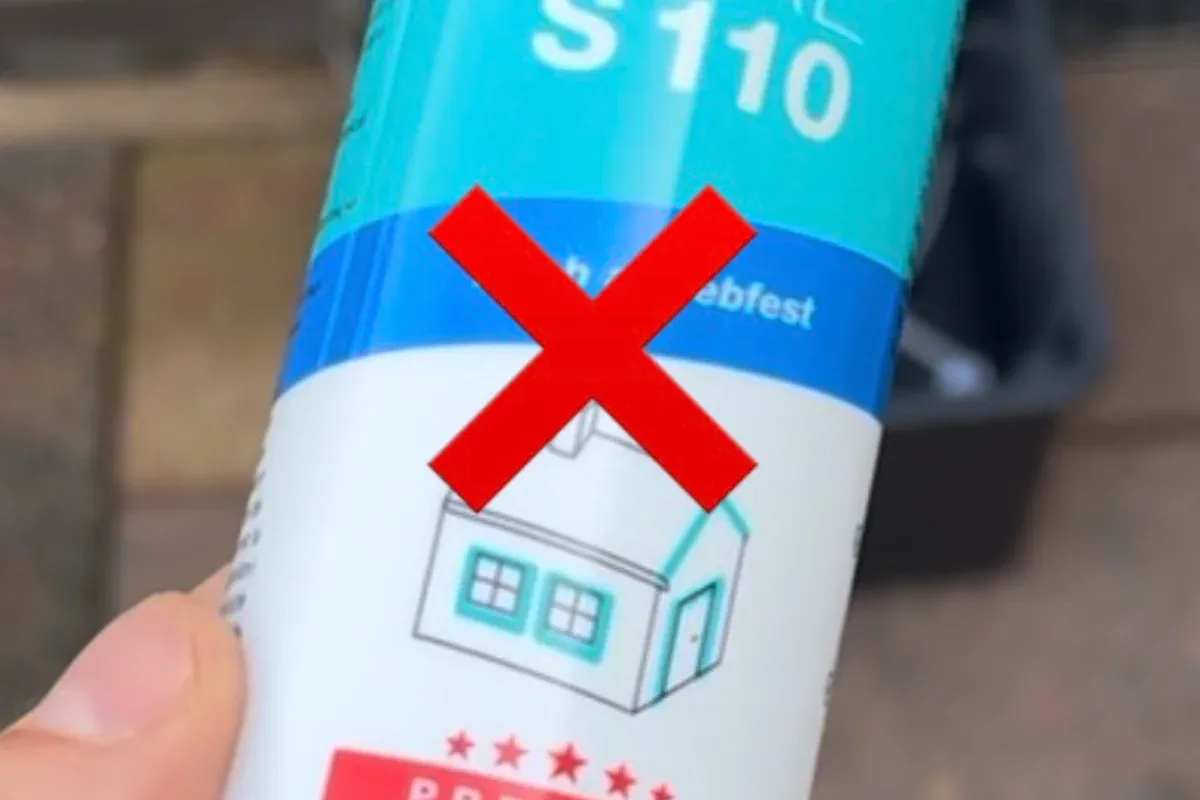
Which gaps at home should you seal or leave open?
Classify the opening as a fixed joint, moving part, vent or drain. Then decide on the finish.
Manual or cordless sealant gun: compare starts and stops
Try both with the same cartridge and nozzle. Compare control at the first corner and when you stop the bead.
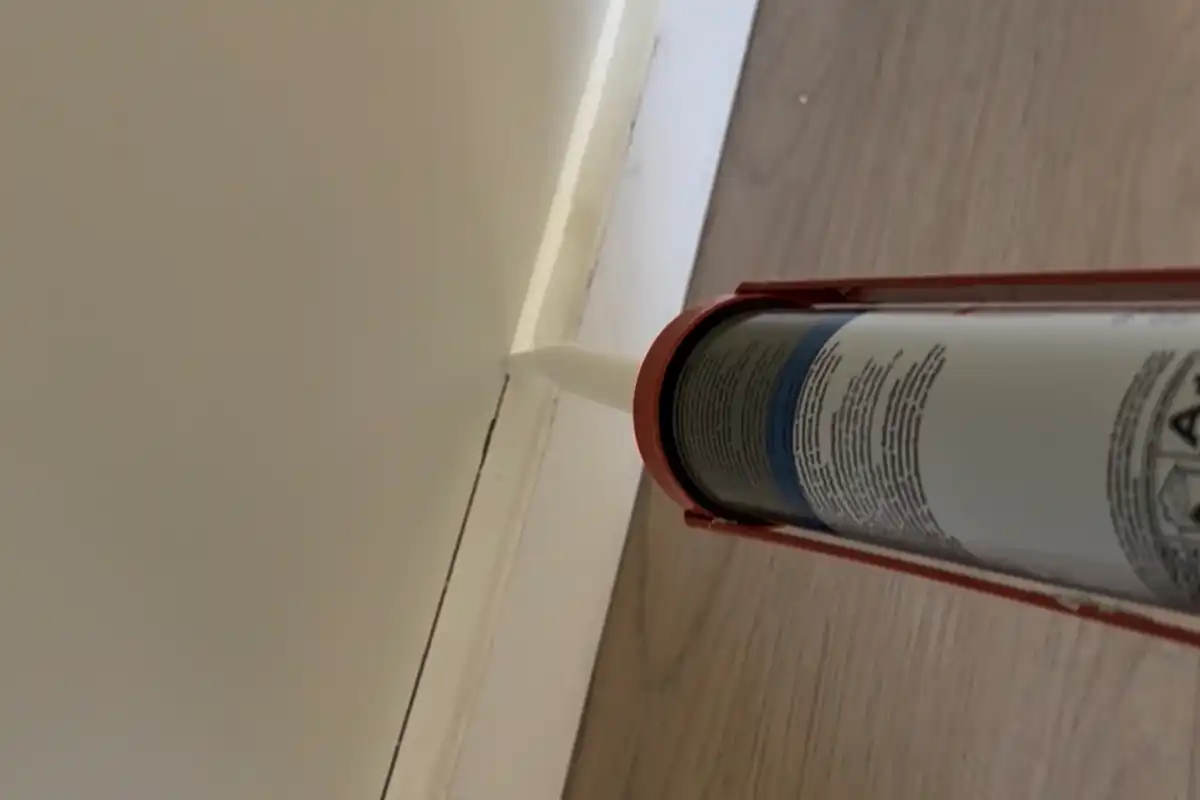
How to compare sealant quotes per metre
Compare preparation, removal, access and materials for the same length. A metre price alone tells you little.
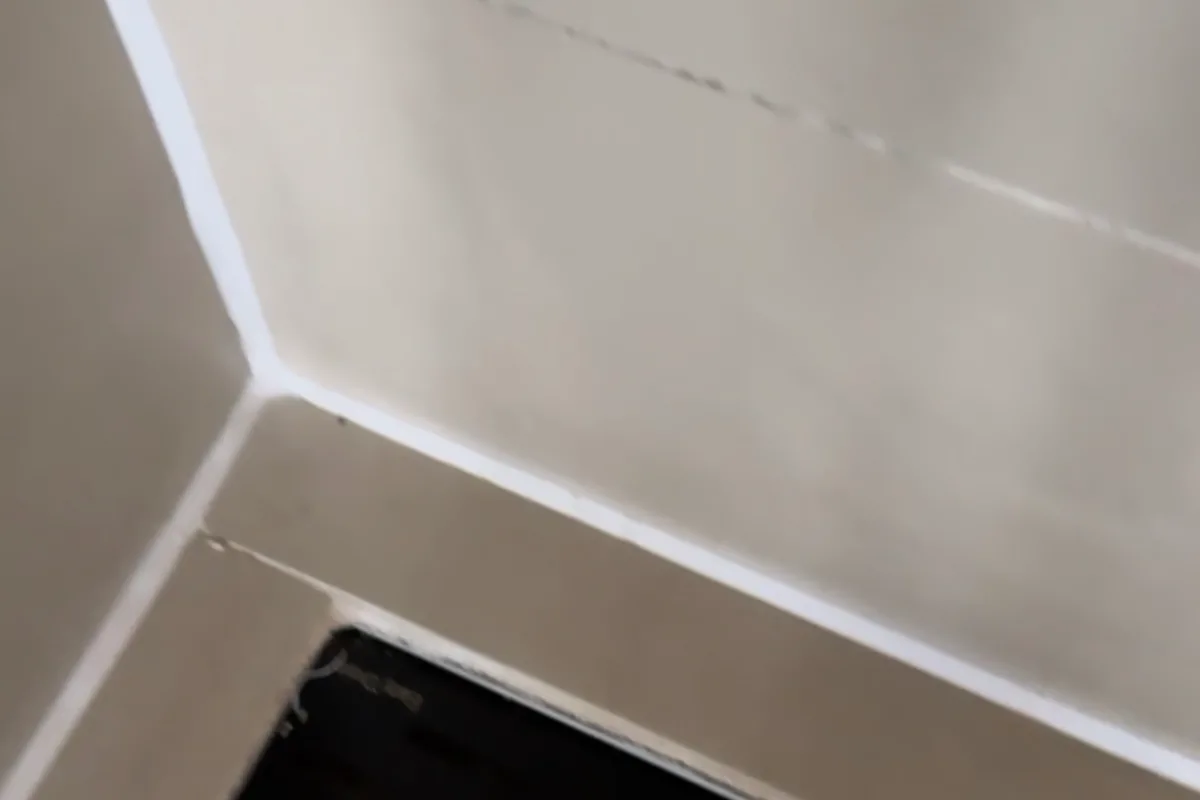
Odour when sealing: how to plan ventilation
Read the cartridge information and arrange ventilation before starting. Smell alone does not measure emissions.
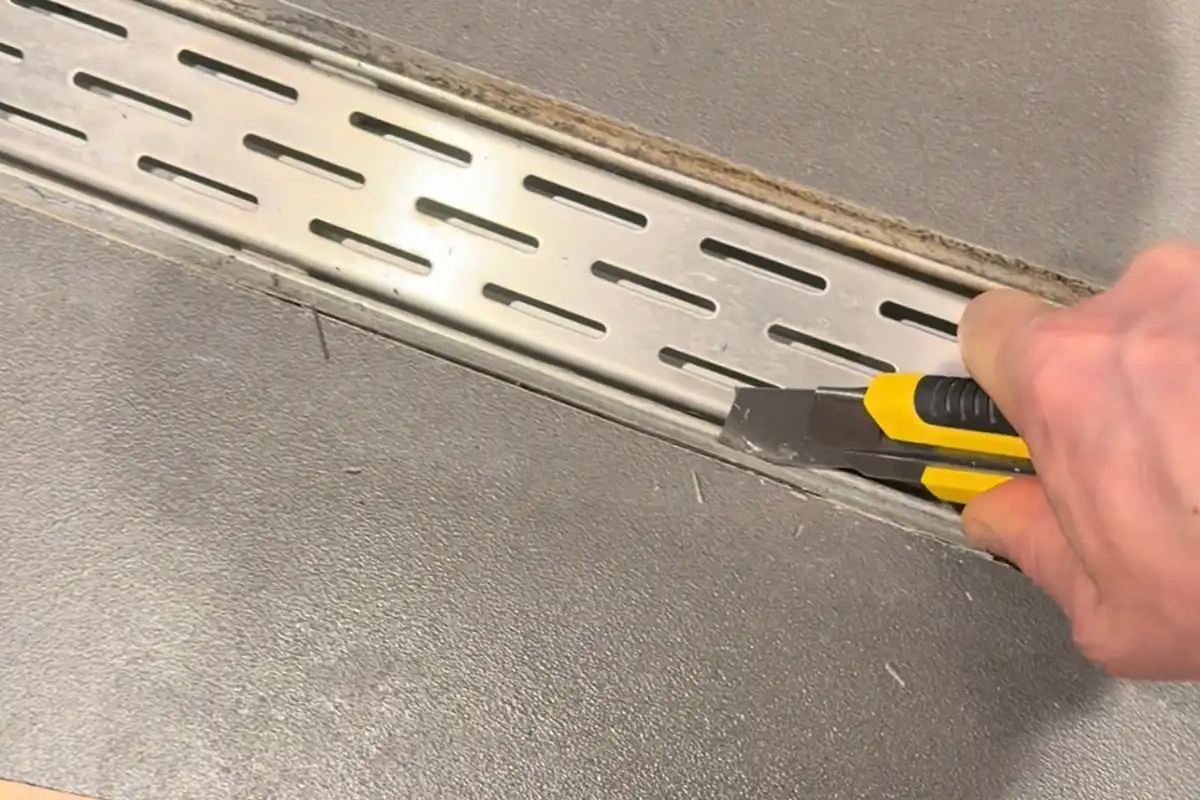
When is resealing a sensible DIY job?
Check access, stability and where the water comes from. If you find damage behind the bead, address the cause first.
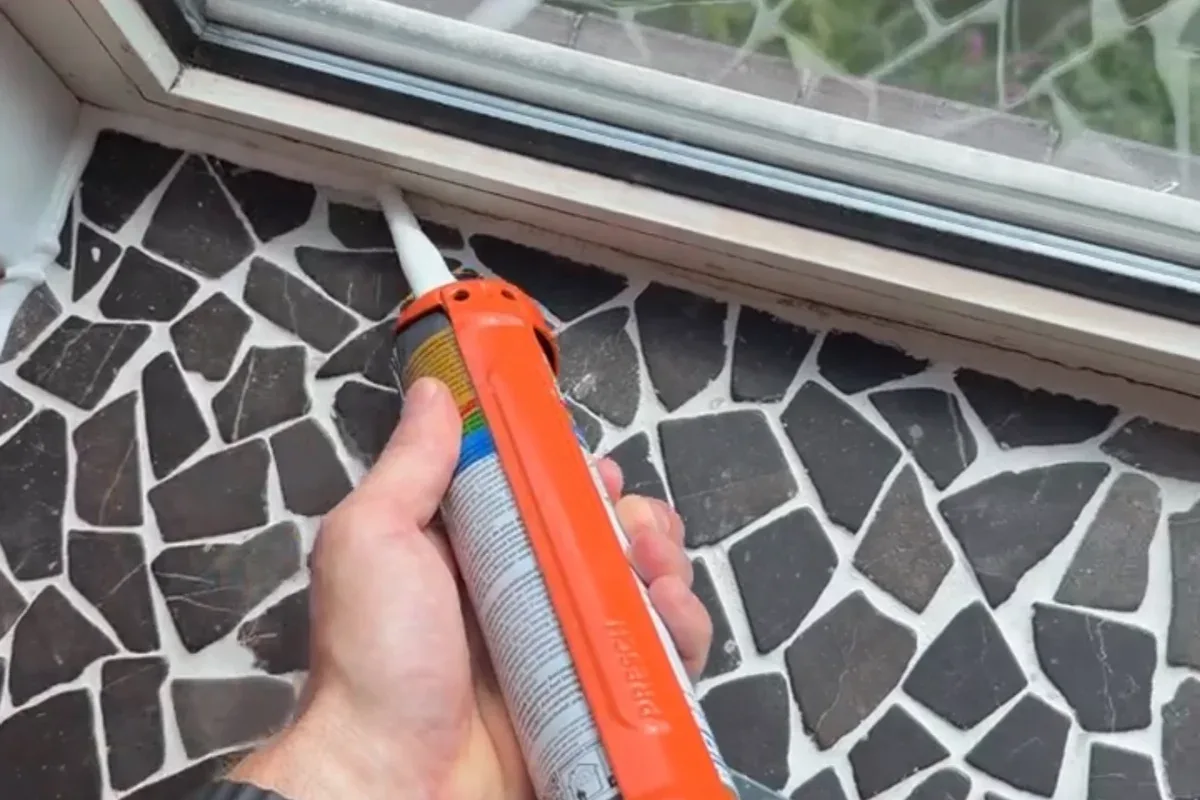
Where is the draught coming from around a closed window?
Check the opening sash separately from the fixed wall joint. That distinguishes a closing problem from a perimeter gap.
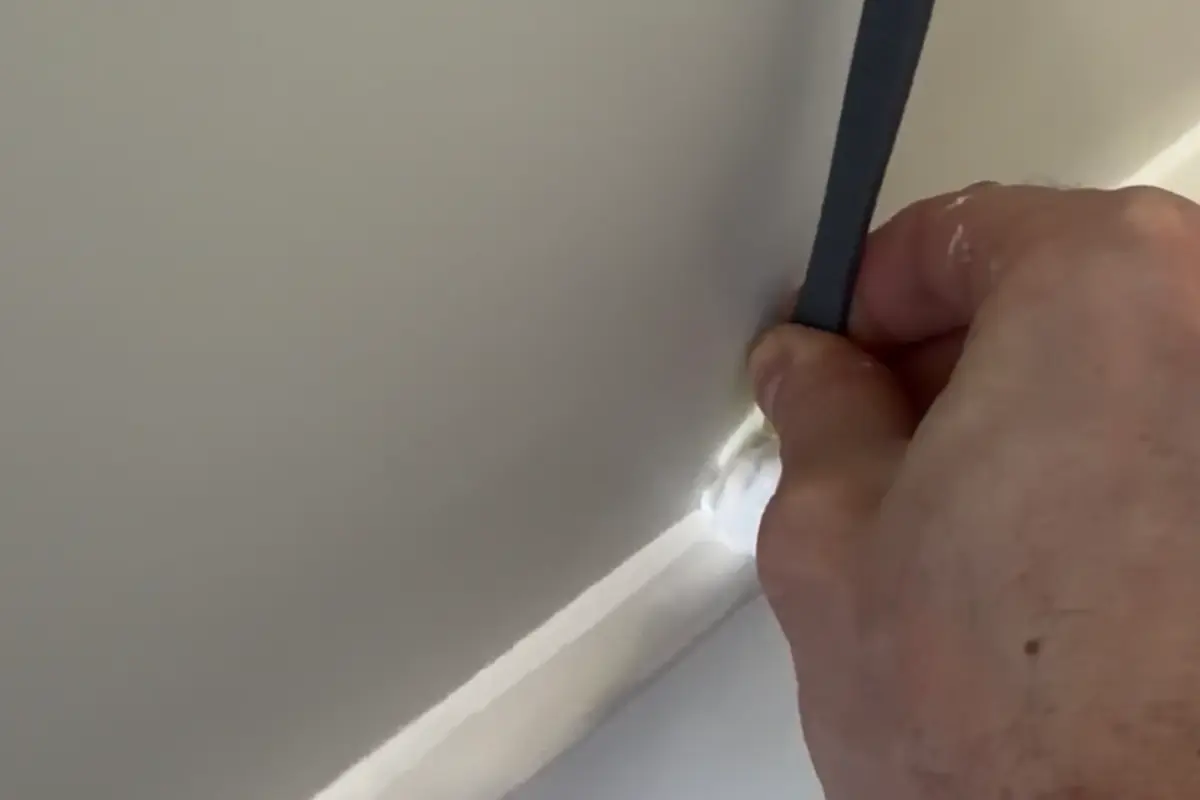
Two sanitary silicones: how to compare the cartridges
Read each product’s surface chart, movement allowance and service conditions. The word “sanitary” alone cannot tell you those things.
How to stop a sealant gun dripping
Release the trigger and relieve the pressure before lifting the nozzle. Practise the stop on cardboard first.
-
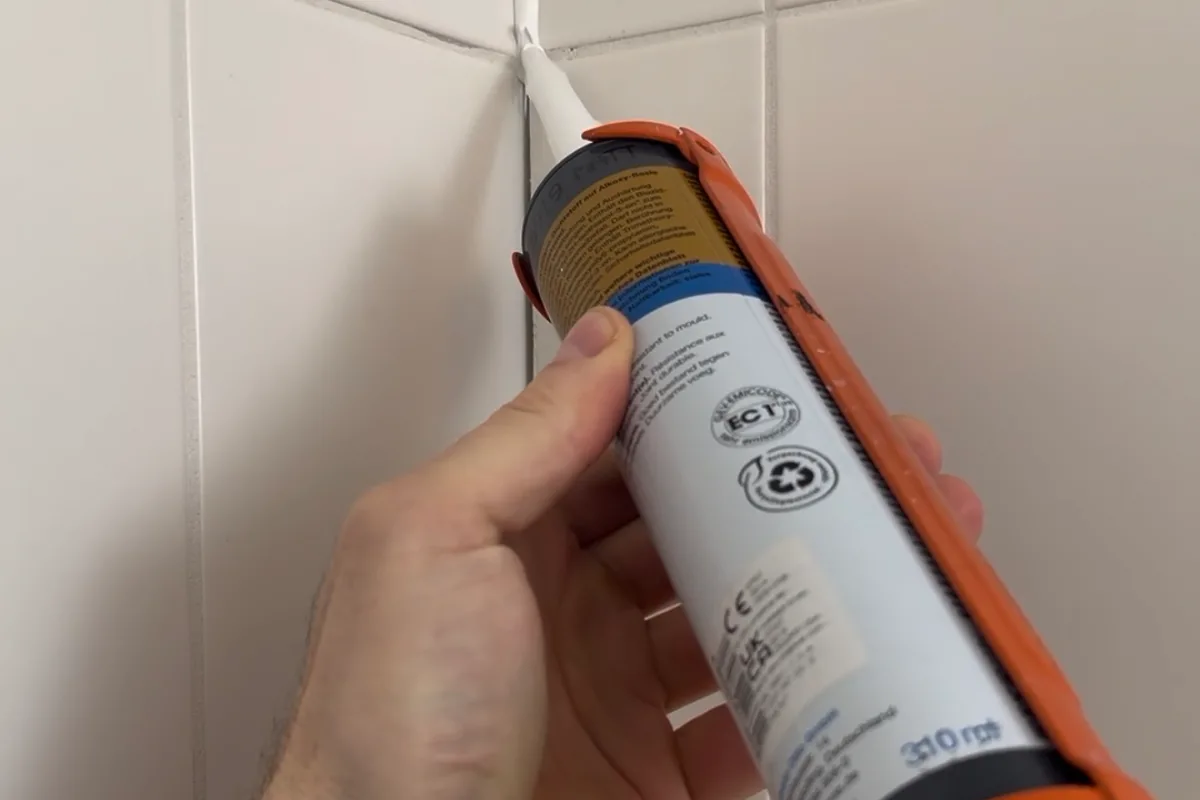
Can you paint silicone sealant?
Check that the specific sealant accepts paint and try the combination on an offcut. For a shower bead, choose the cartridge colour.
-
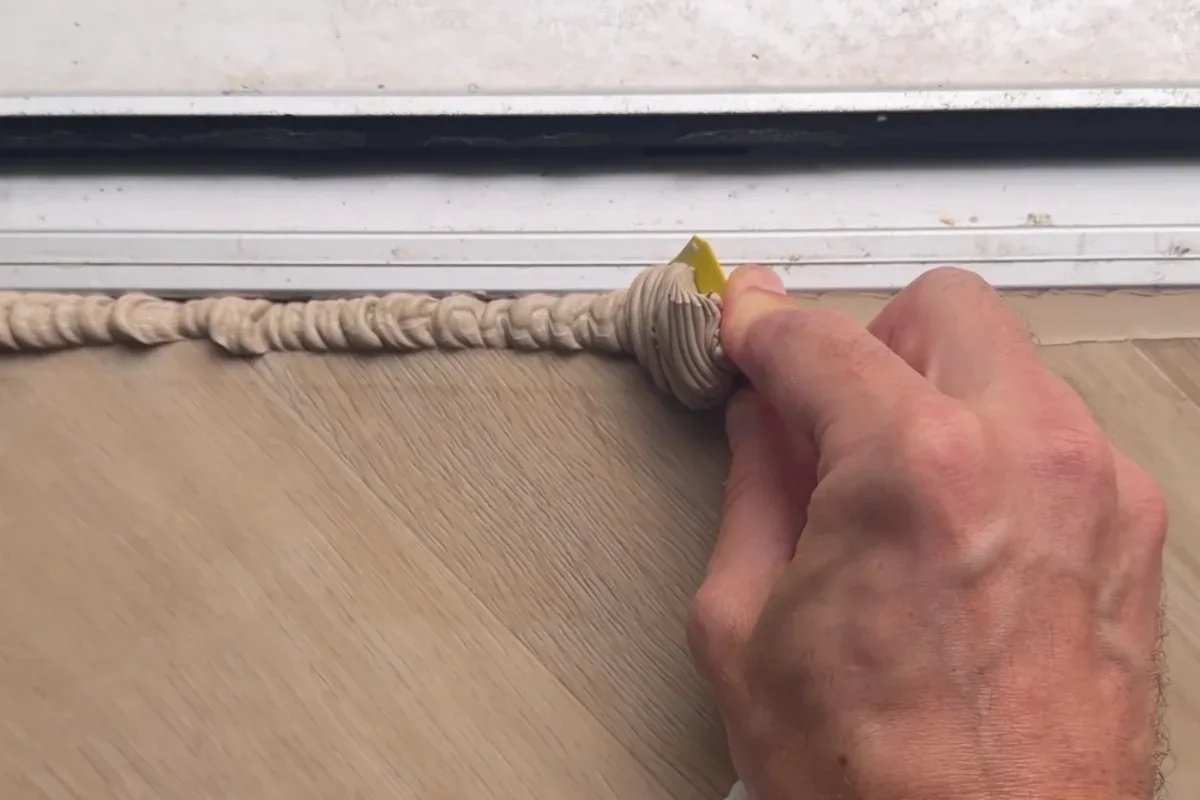
How deep should a sealant joint be?
Measure the section before cutting the nozzle. Where appropriate, control depth so the bead works on both sides.
-
How far will one cartridge of sealant go?
Measure width and depth in several places. A deep joint uses more material than a narrow bead of the same length.
-
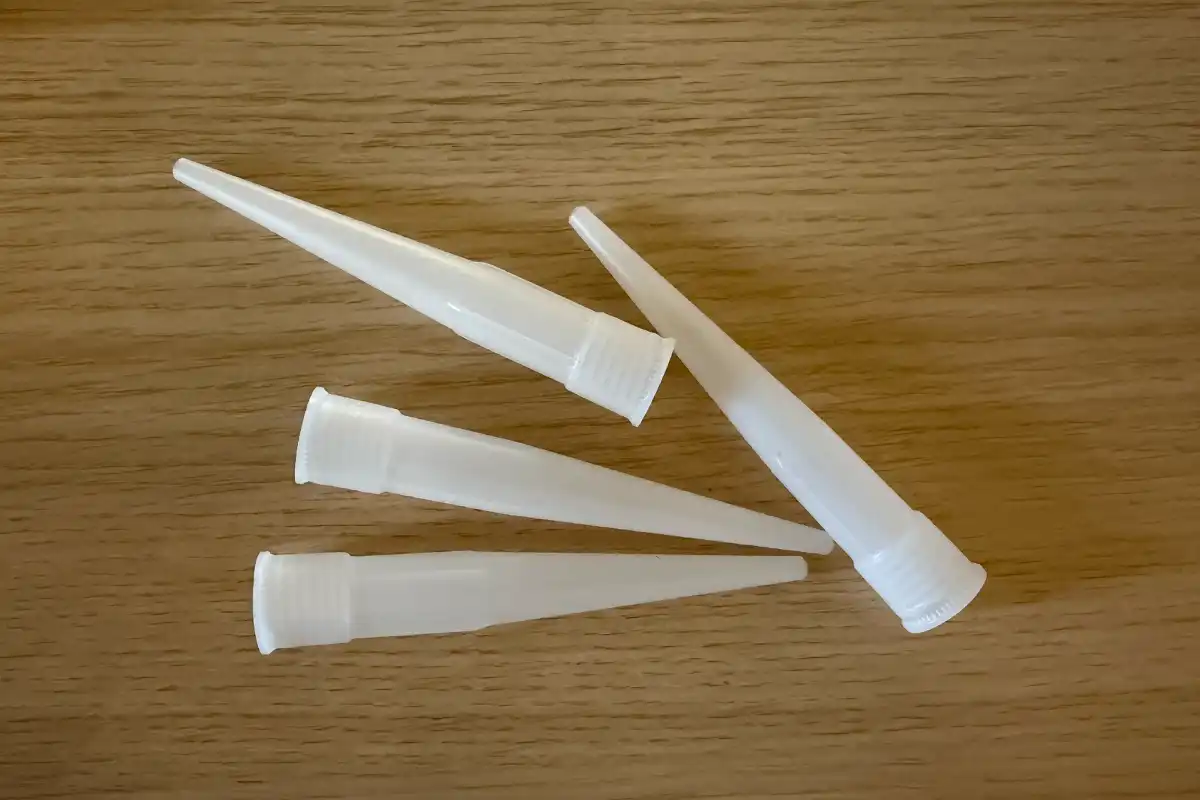
How wide should a sealant joint be?
Measure the narrowest and widest points. Compare both with the limits for those surfaces and the expected movement.
-
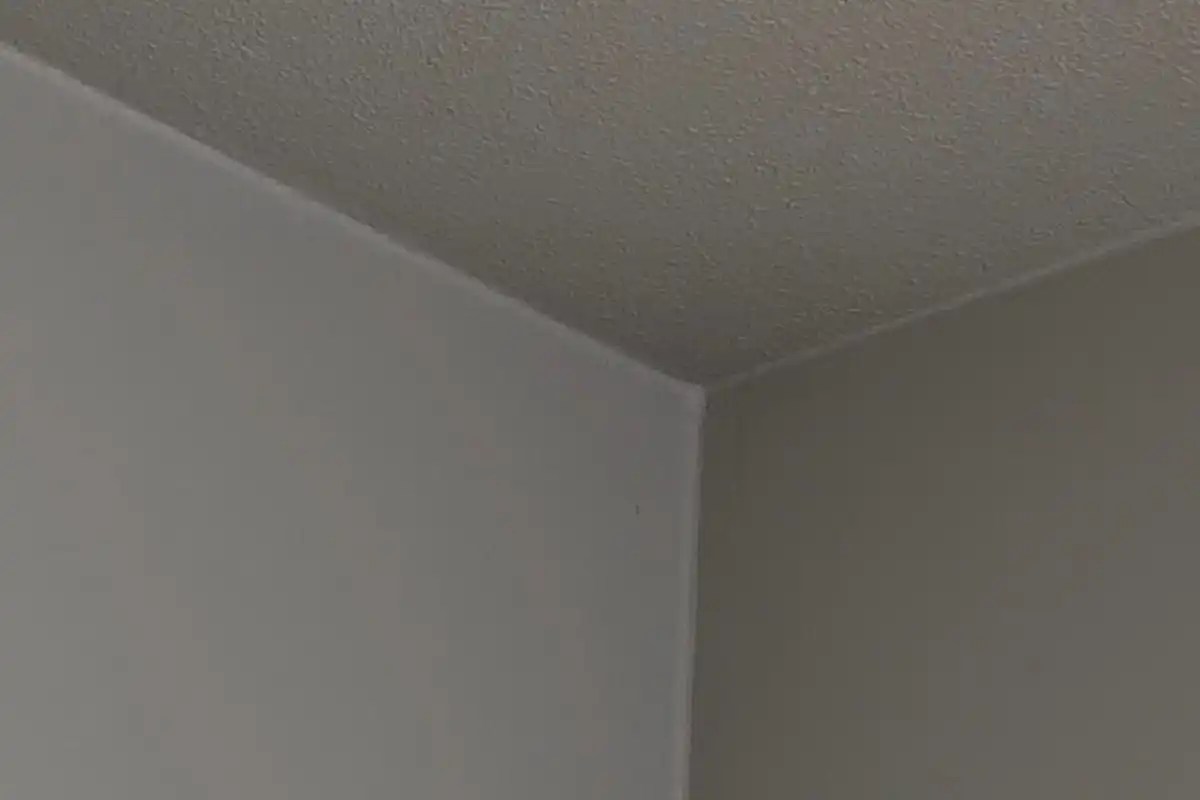
Seal before or after painting?
Check whether the sealant accepts paint and when it can be coated. A sample lets you spot beading before painting the joint.
-
Choosing a sealant for outdoor joints
Check sun, rain, movement and adhesion to both materials before choosing a cartridge.
-
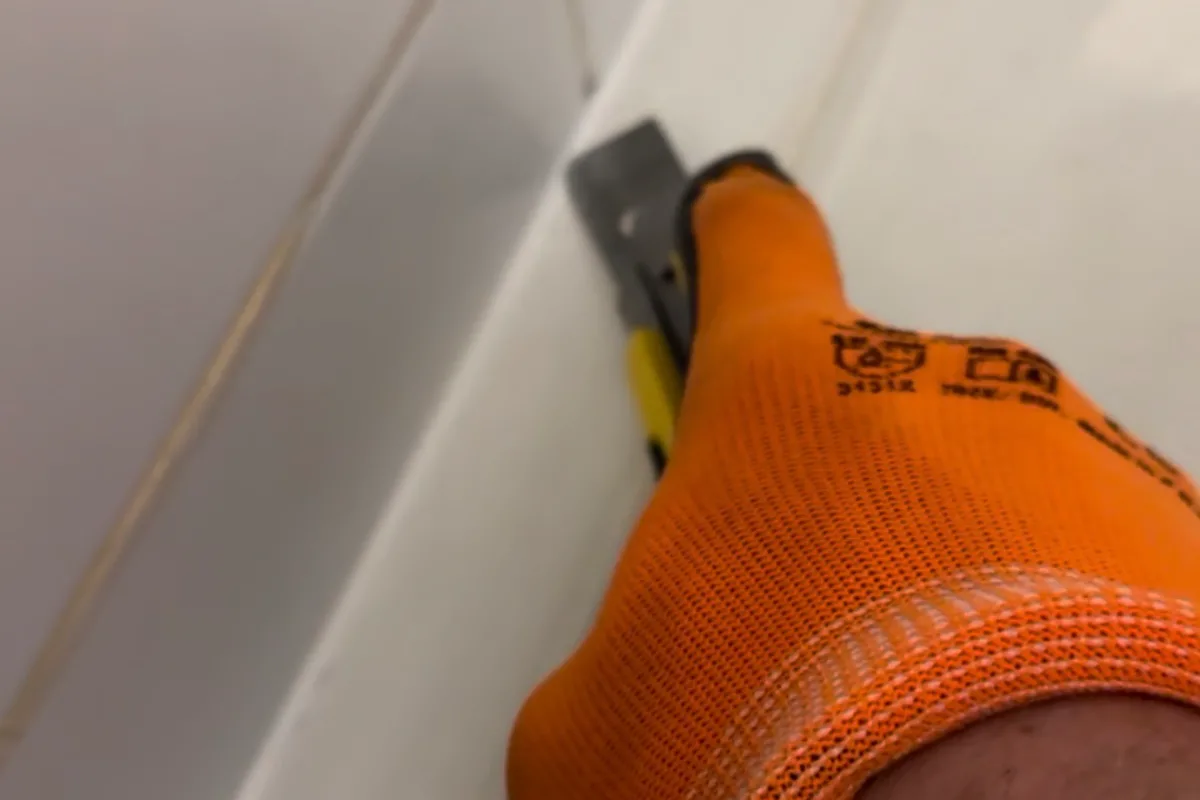
Silicone or acrylic: which fits the joint?
Decide whether the joint must accept paint, water or movement. Those answers narrow the choice before you open the cartridge.
-
Why sealant needs two-sided adhesion
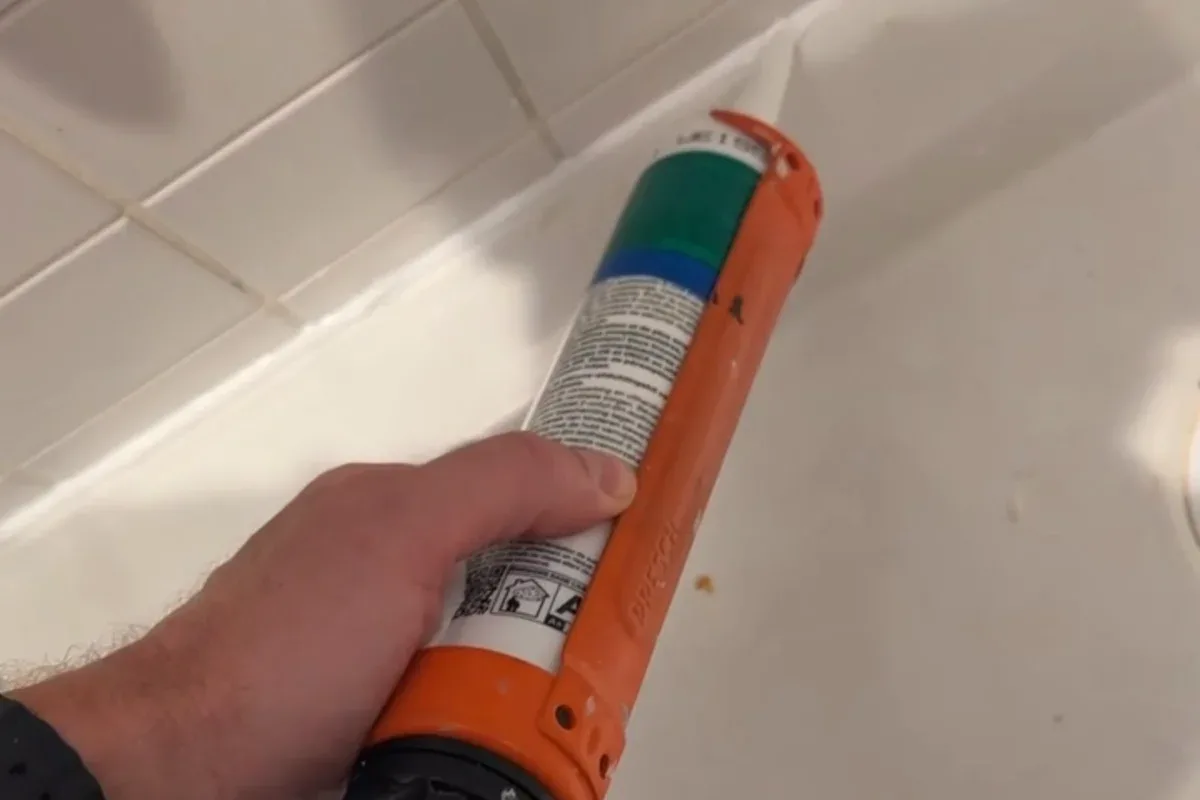
Look at a cross-section. The sides hold the bead. A third bond at the base restricts the material that can stretch.
-
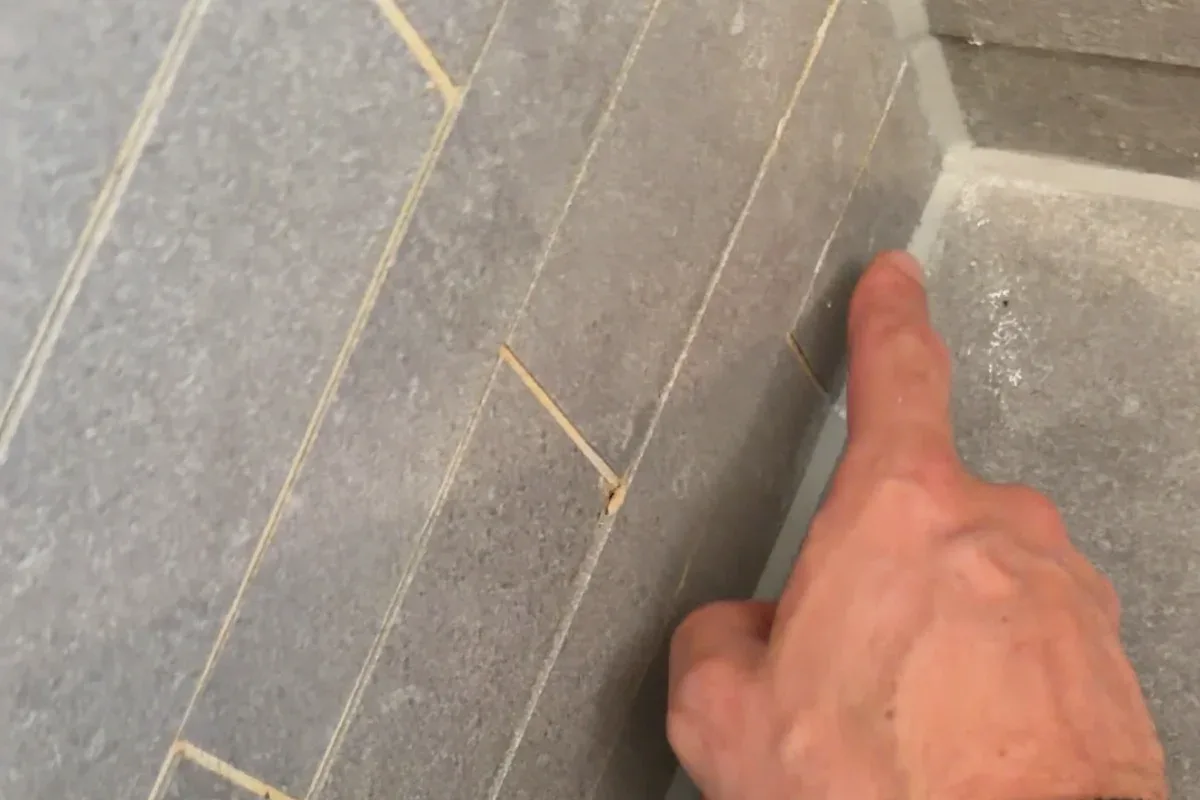
When does a sealant joint need primer?
Find both surfaces in the manufacturer’s primer table. Use the specified preparation and observe the flash-off time.
-
When to leave a joint open
Identify moving parts, drainage openings and water arriving from behind. Each needs a different decision.
-

Preparing a surface for sealant adhesion
Remove loose material, then check the cleaner and any primer against the actual surface.
-
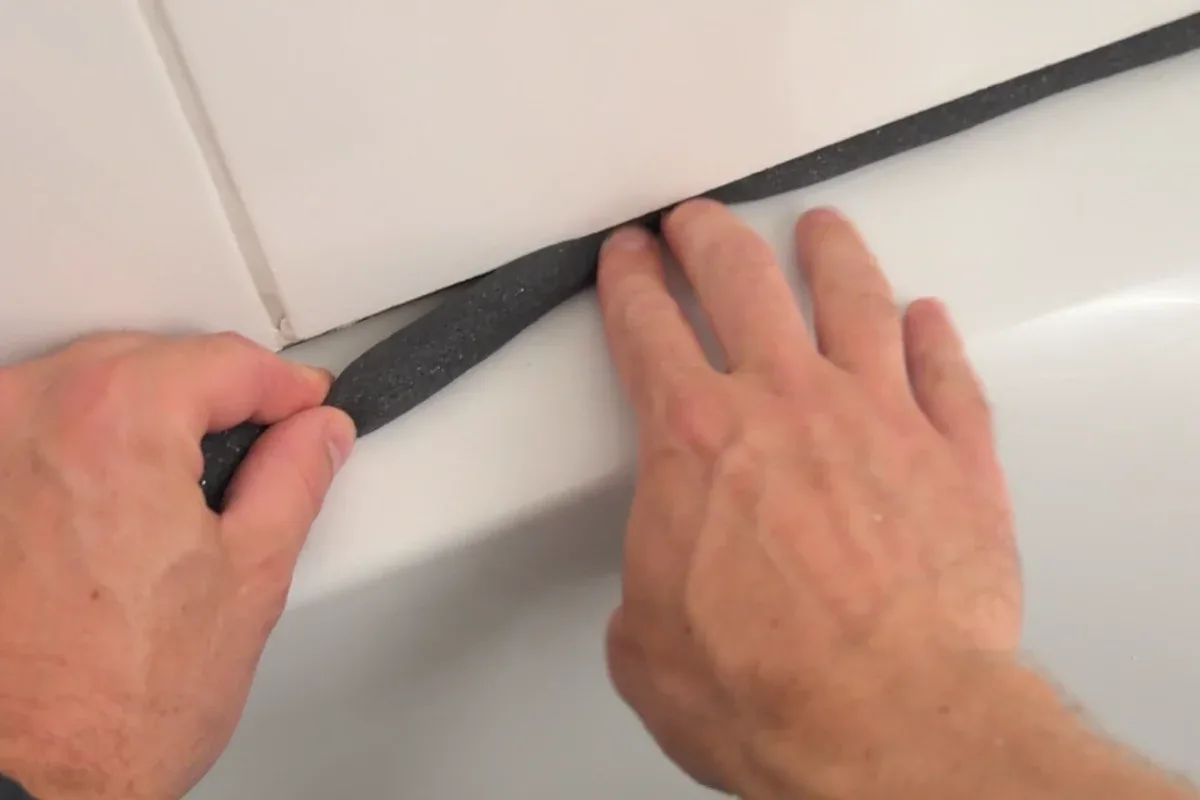
When to use backer rod
A PE backing rod controls bead depth and separates the sealant from the base. Measure the joint before choosing its diameter.
-
How to seal windows inside and out
Distinguish the frame-to-wall joint from a glazing seal. Inside you may want paint. Outside check rain, sun and movement.