When can you shower after sealing?
A skin may form while the centre is still soft. Check the cartridge instructions for the wait before water exposure.
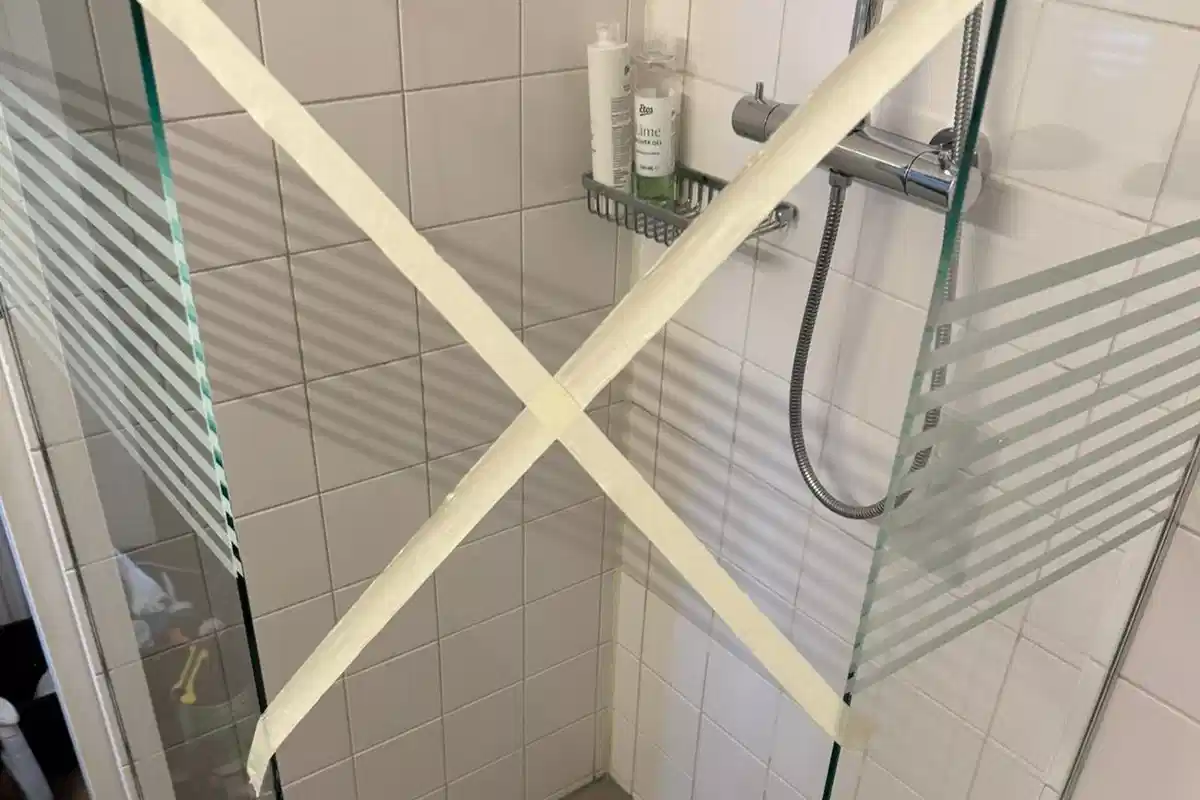
A dry skin after minutes does not mean you can shower. Cure runs from the outside in. For a normal bathroom joint, wait about 24 hours unless the cartridge says otherwise — and longer if the joint is deep or the room is cold and dry.
Buying through a product link may earn us a commission at no extra cost to you.
Surface skin and curing inside the bead
Most sanitary silicones are RTV-1 systems: they cure by reacting with air moisture, from the surface inward.
After twenty minutes or so the bead may feel dry if you tap it. That is only a skin. The core is still reacting. A full shower then loads a soft centre with water pressure, heat and tray movement.
Before opening the cartridge, try the Presch silicone gun in the tightest corner. Check you can turn your wrist and release pressure at the end of the run.
What “24 hours” actually means
Many professional cartridges quote a through-cure on the order of about 2–3 mm per 24 hours at roughly 23 °C and 50 % relative humidity. A 6 mm-deep joint is therefore not solid at the core after a few hours.
I treat 24 hours without a proper shower as a conservative default for a normal bathroom joint. It is not a chemical law for every product and every climate. Read the pack you used. A thicker joint, a cold room or very dry air slows the reaction. A heater that dries the air does not “turbo-cure” this chemistry: without moisture, polymerisation stalls.
Packs that promise “shower after one hour” are often fast acetoxy silicones. They can skin quickly. They also tend to smell of vinegar, can be harsher on some plastics and natural stone, and faster skin is not the same as a fully stable core. Neutral sanitary silicones often take longer and are the ones I reach for in a shower. Follow that cartridge, not a slogan.
Where the detail calls for sanitary silicone on two compatible surfaces, consider OTTOSEAL S100. Porous stone needs a stone-compatible product.
If you shower too soon
The face looks set; the middle is still paste. Movement opens a microscopic path at the tile. Water, soap and skin oils creep behind. Mould that appears weeks later can start from that leak, not from “bad luck”. Waiting two days will not save a tray that still flexes on a bad support.
Dry-fit the FUGENFUX profiling tool. Choose the edge that meets both sides without scooping out the middle, then tool the bead before a skin forms.
Practical rules
- Plan so the shower can stay off for a day after you finish.
- Leave the door ajar so moisture can reach the bead and vapours can leave.
- A few accidental drops after a couple of hours: blot, do not rub. A full shower is another matter.
- A fresh joint around a WC: body weight can move the pan. Be careful for the first hours, or use another toilet if you can.
Tools and materials for this job
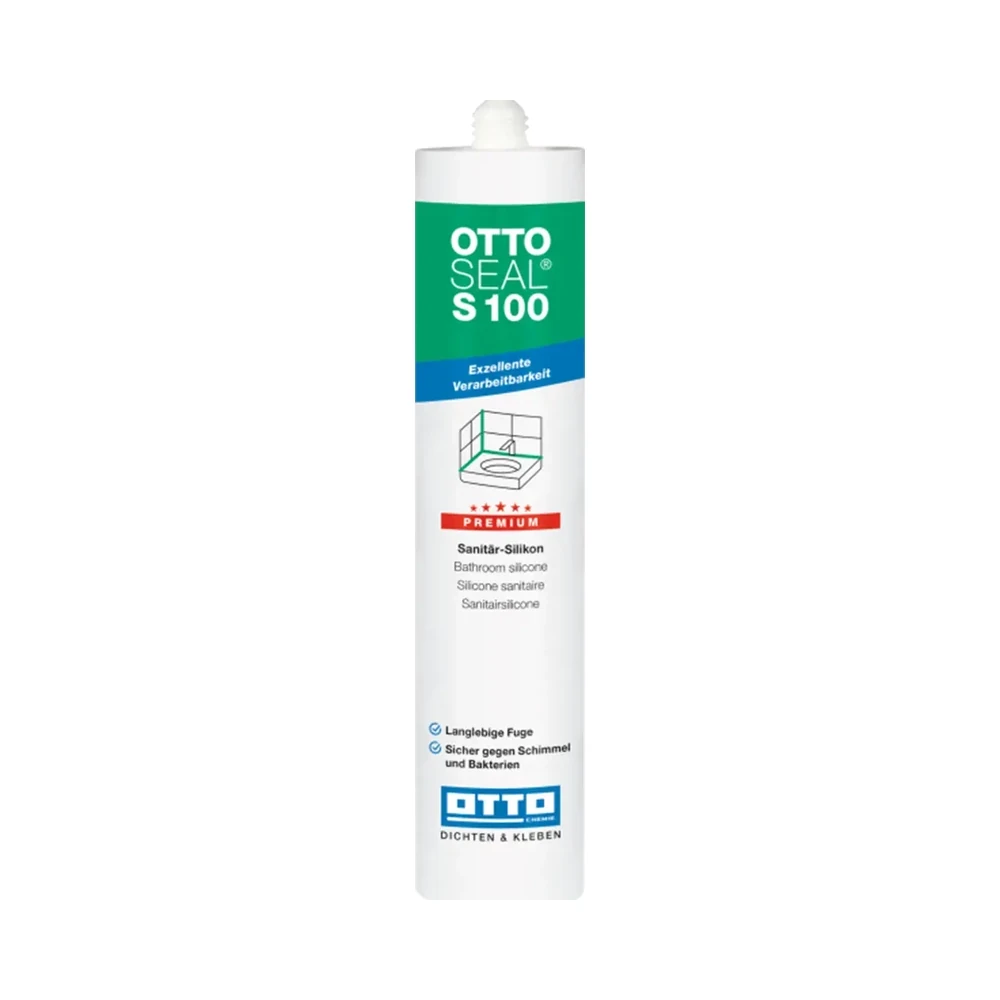
OTTOSEAL S100
Sanitary silicone for compatible surfaces. Check both edges before opening the cartridge.
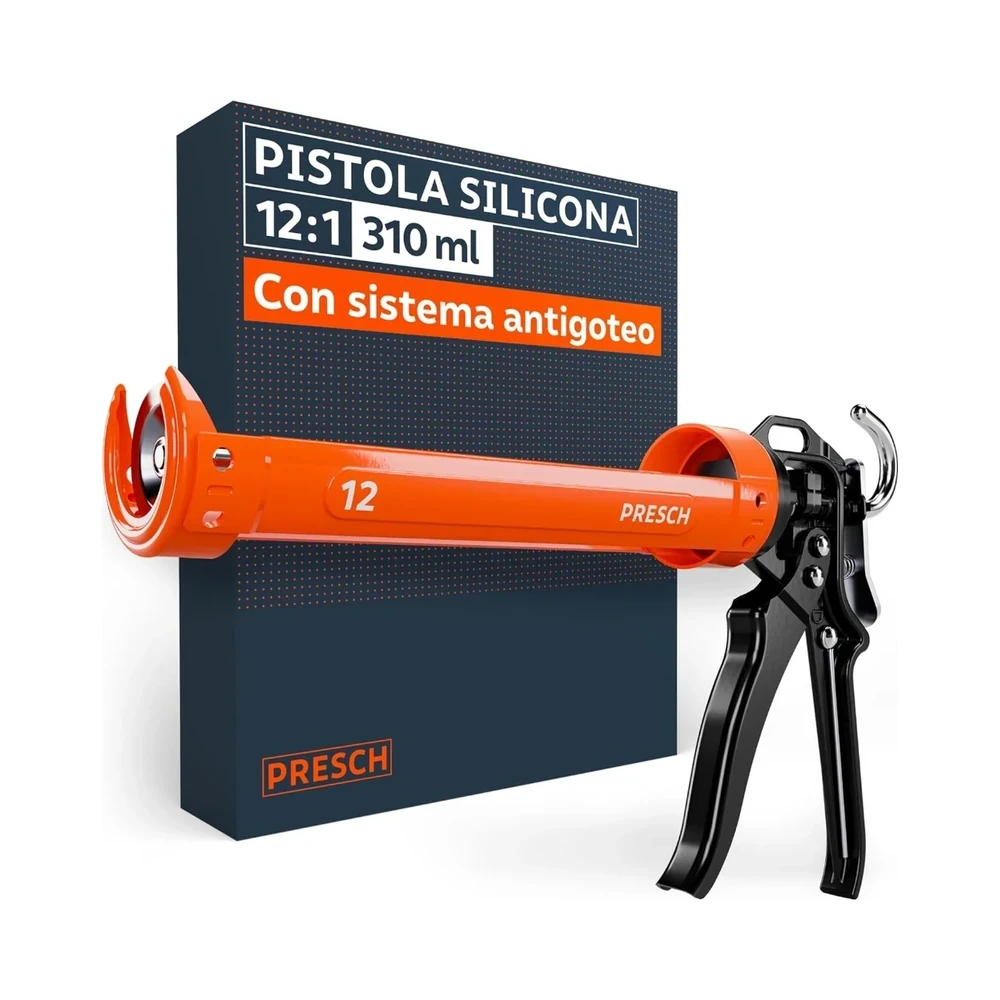
Presch silicone gun
Manual cartridge gun. Check you can release pressure in the last centimetre.
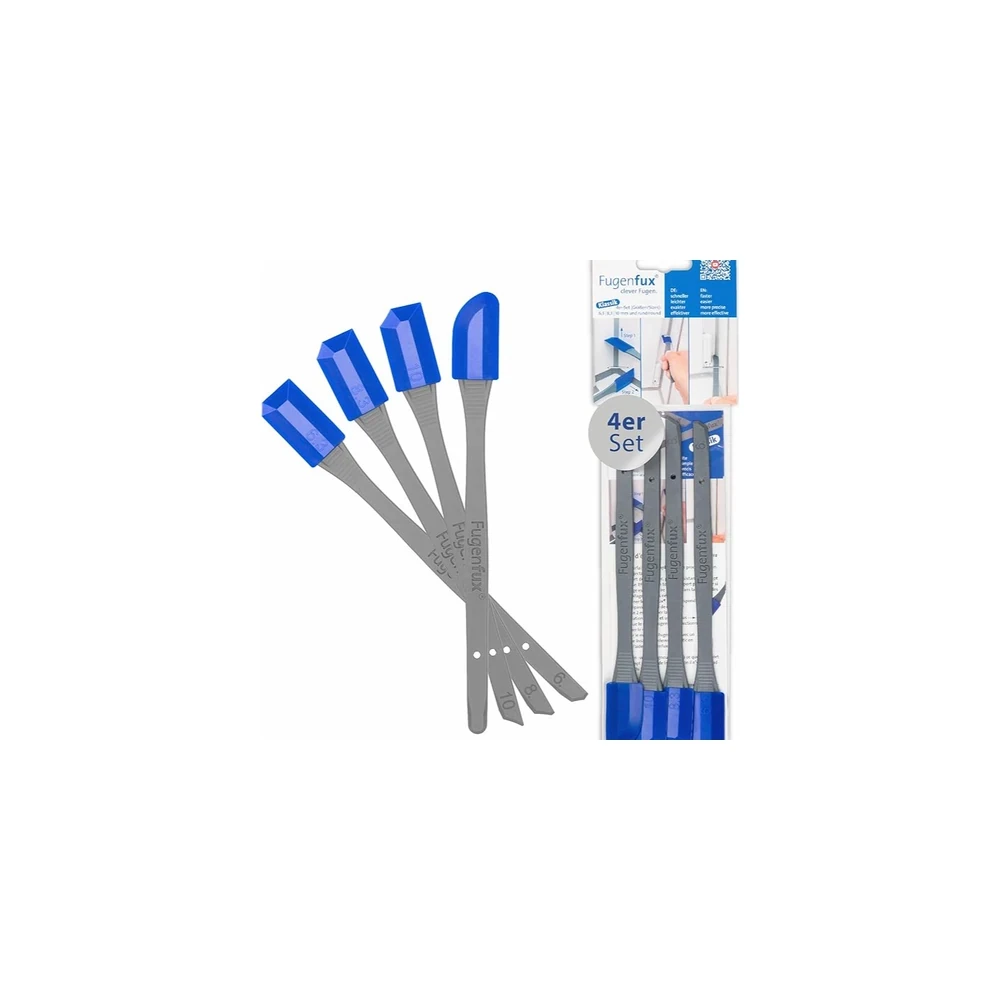
FUGENFUX
Profiling tool. Dry-fit the edge that reaches both sides of the joint.
Exceptions
If the tray moves because the support is wrong, extra curing time does not fix it. Stabilise first, then reseal.
-

Preparing a surface for sealant adhesion
Remove loose material, then check the cleaner and any primer against the actual surface.
-
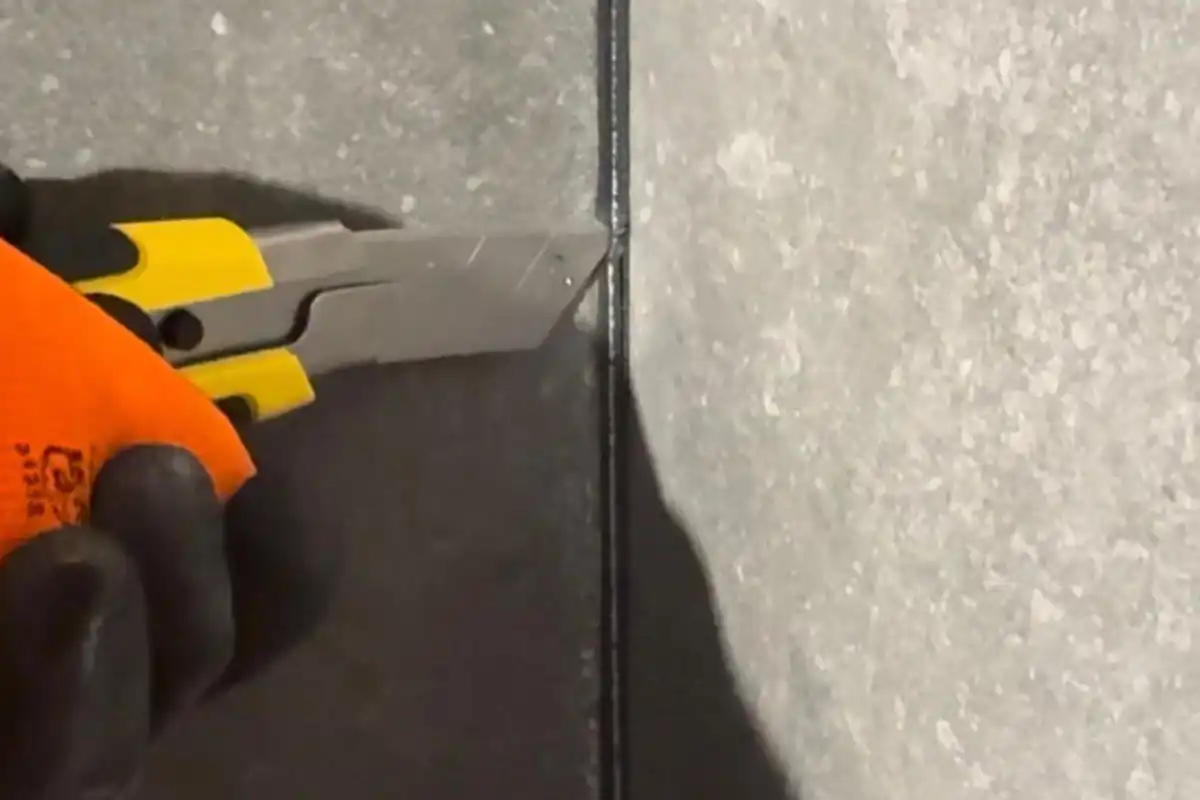
How to remove old silicone without damaging the surface
For a replacement joint, remove the bead and residue from both sides. A smear on glass or fabric calls for a different method.
-
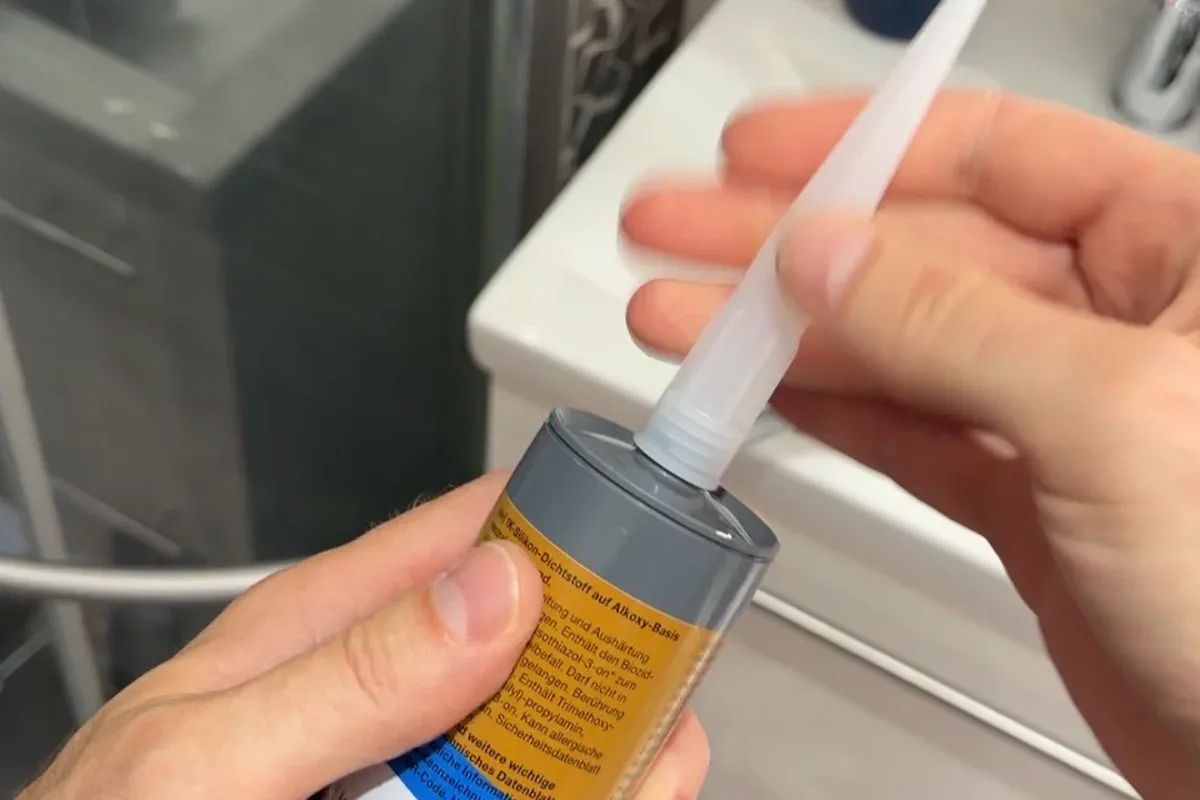
What to check when a shower tray moves
Check the support and movement under load before stripping out sealant. A new bead cannot stabilise the tray.