
Choosing a sealant for outdoor joints
Check sun, rain, movement and adhesion to both materials before choosing a cartridge.
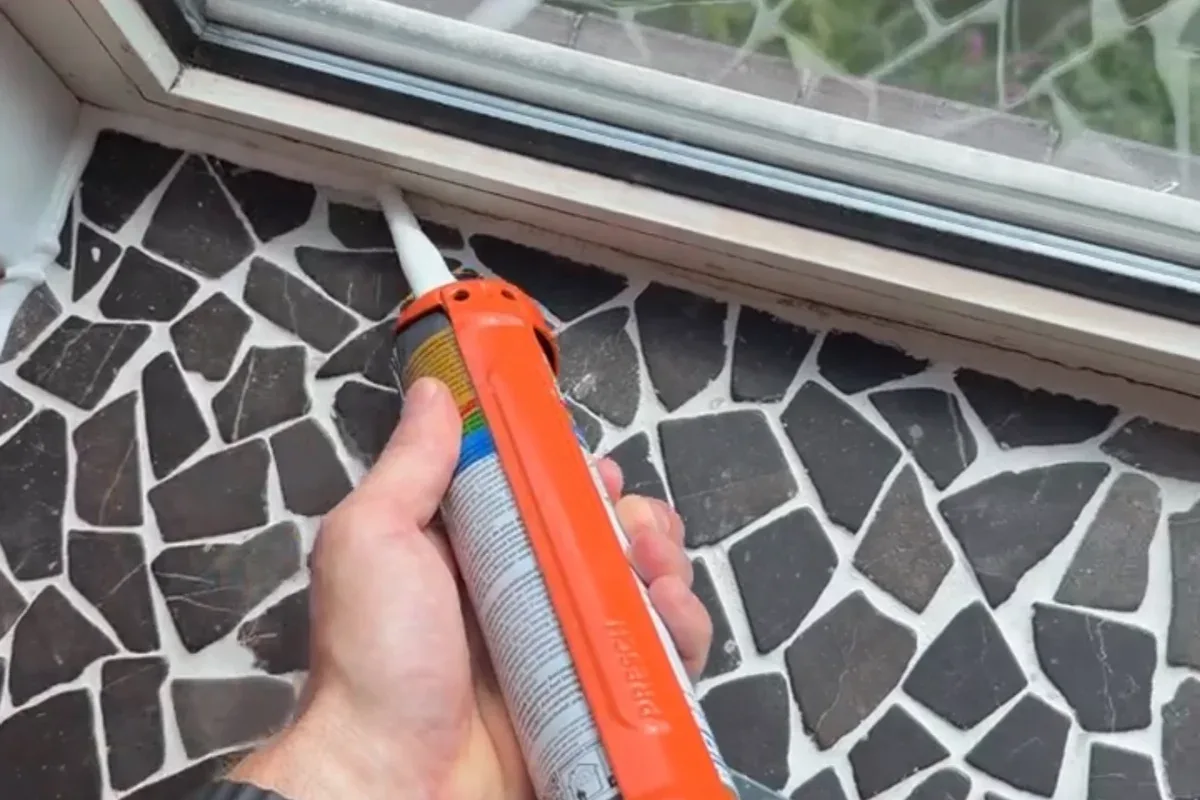
Outside I use a weather-grade neutral silicone or an exterior hybrid. If it has to be painted, hybrid or exterior acrylic — not shower sanitary silicone. Wet substrate, no. Porous stone, stone chemistry.
Buying through a product link may earn us a commission at no extra cost to you.
What an exposed outdoor joint needs
Outdoors, UV, water and thermal movement all work on the joint at once. Brick, glass, timber and aluminium do not expand at the same rate when the profile is thirty degrees in summer and frozen in winter. An interior sealant — living-room acrylic or cheap bathroom silicone from the DIY shop — is not built for that life. It dries out, washes away or splits in the first hard season.
Façade joints (the face of the building) usually want a high movement class (in practice people talk about ISO classes around 20–25 %). That describes a typical product, not a years-long promise for your cartridge.
Before opening the cartridge, try the Presch silicone gun in the tightest corner. Check you can turn your wrist and release pressure at the end of the run.
When to seal — and when not to
Yes if the joint sees UV, rain and frost: an exterior-grade neutral silicone or an elastic façade hybrid.
Yes, and paintable, if it will be painted afterwards: hybrid or a façade acrylic meant for that. The sanitary silicone I use in a shower does not take paint.
No on a soaked substrate. Trapped water kills adhesion and the joint peels from the flank.
No ordinary silicone on porous natural stone (open granite, sandstone and the like). Plasticisers can stain the edge for good. That is stone chemistry.
A structural crack in load-bearing brick or a foundation that has moved is not a sealant job. That is mortar or building repair.
For an exposed façade joint, check OTTOSEAL S110 against both surfaces and choose the finished bead colour before applying.
Geometry, not just the tube
If the mass sticks to both flanks and the back (three-sided adhesion), it has nowhere to stretch. First frost, it splits down the middle or lets go of one side. Closed-cell PE backer rod: two faces, controlled depth. On wide joints the practical rule is wider than deep, not a packed well.
How I do it
- Cut out the old joint. Brush sand, moss and loose bits.
- Degrease the flanks with a technical cleaner, always in one direction.
- Push in Backer rod a little wider than the gap.
- Primer only if the mineral soaks hard or the joint stays very wet.
- Gun from the bottom up, with no air pockets.
- Tool within the skin time, with a neutral tooling agent.
Do not seal in full sun: the skin forms too fast and you get blisters. Do not seal just before a downpour either. Cured sealant copes with water; fresh sealant does not.
Dry-fit the FUGENFUX profiling tool. Choose the edge that meets both sides without scooping out the middle, then tool the bead before a skin forms.
Tools and materials for this job
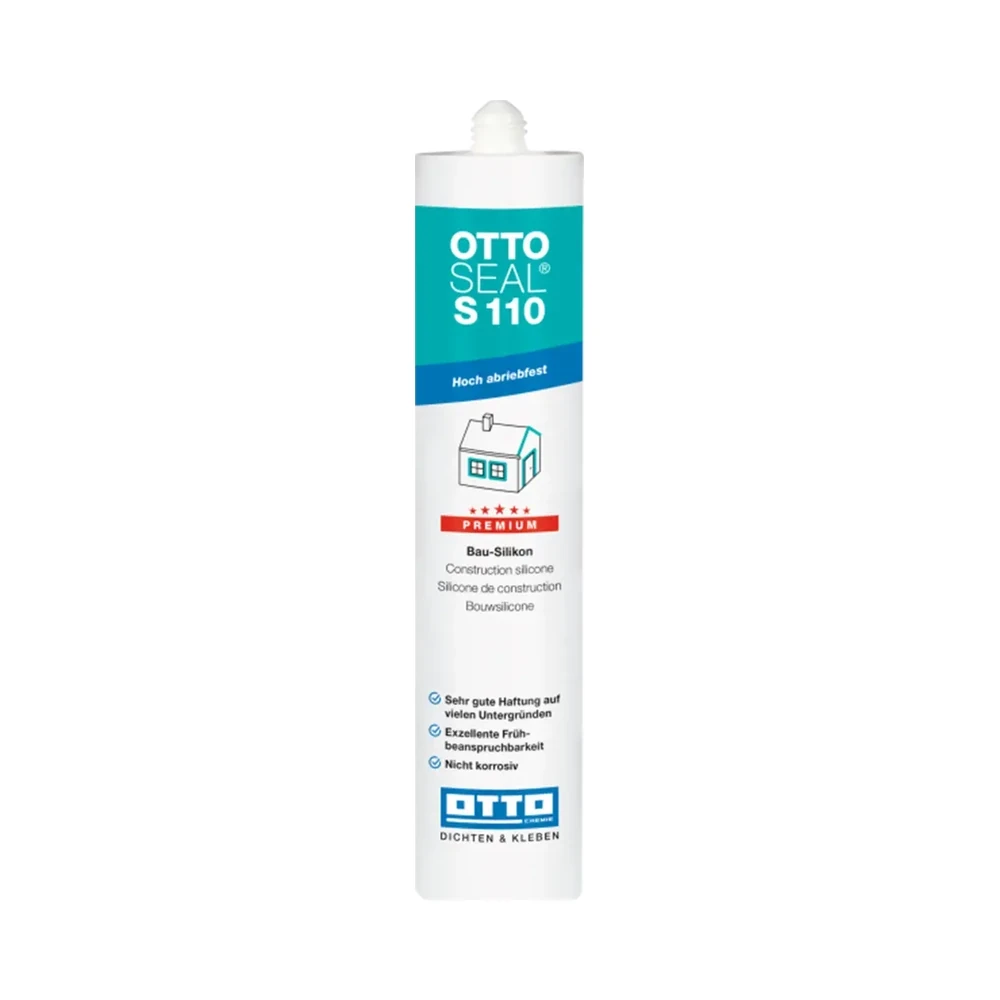
OTTOSEAL S110
Neutral construction silicone. Check both substrates on the data sheet.
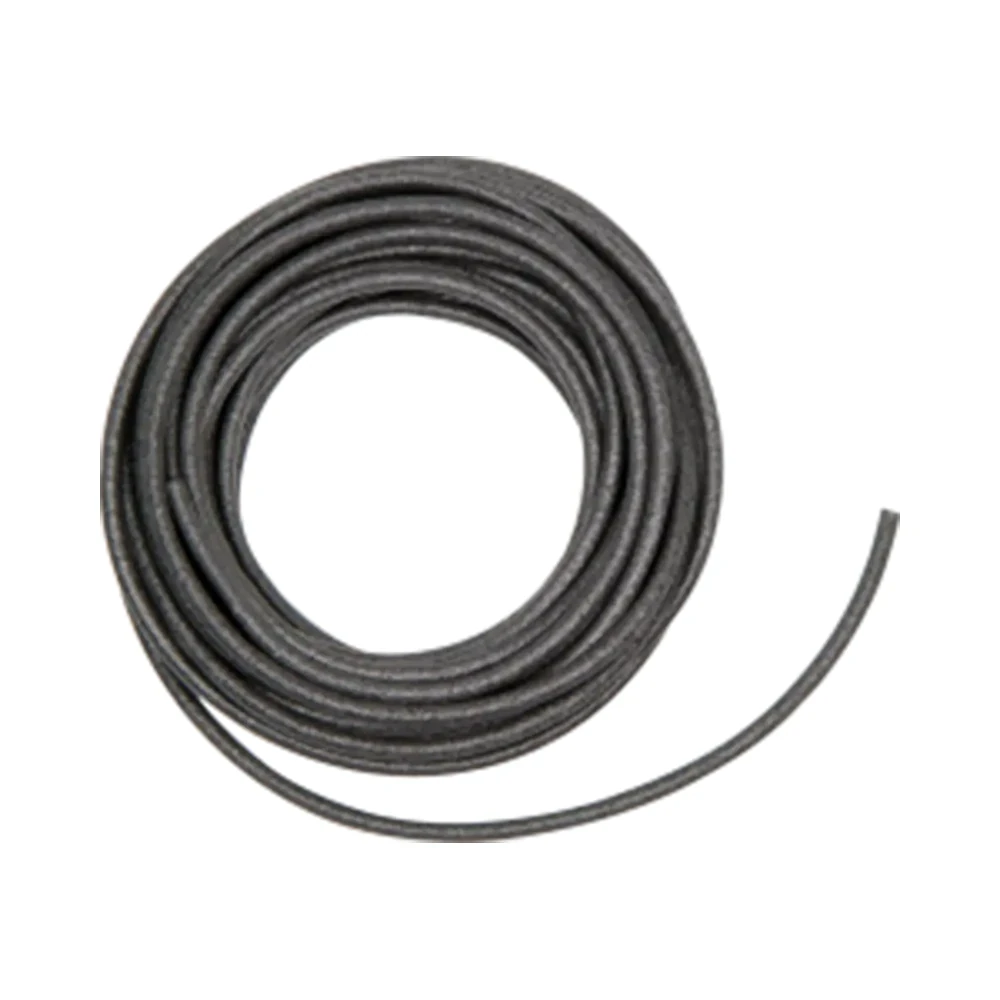
Backer rod
For depth control where specified. Choose the diameter to suit the measured width.

Presch silicone gun
Manual cartridge gun. Check you can release pressure in the last centimetre.
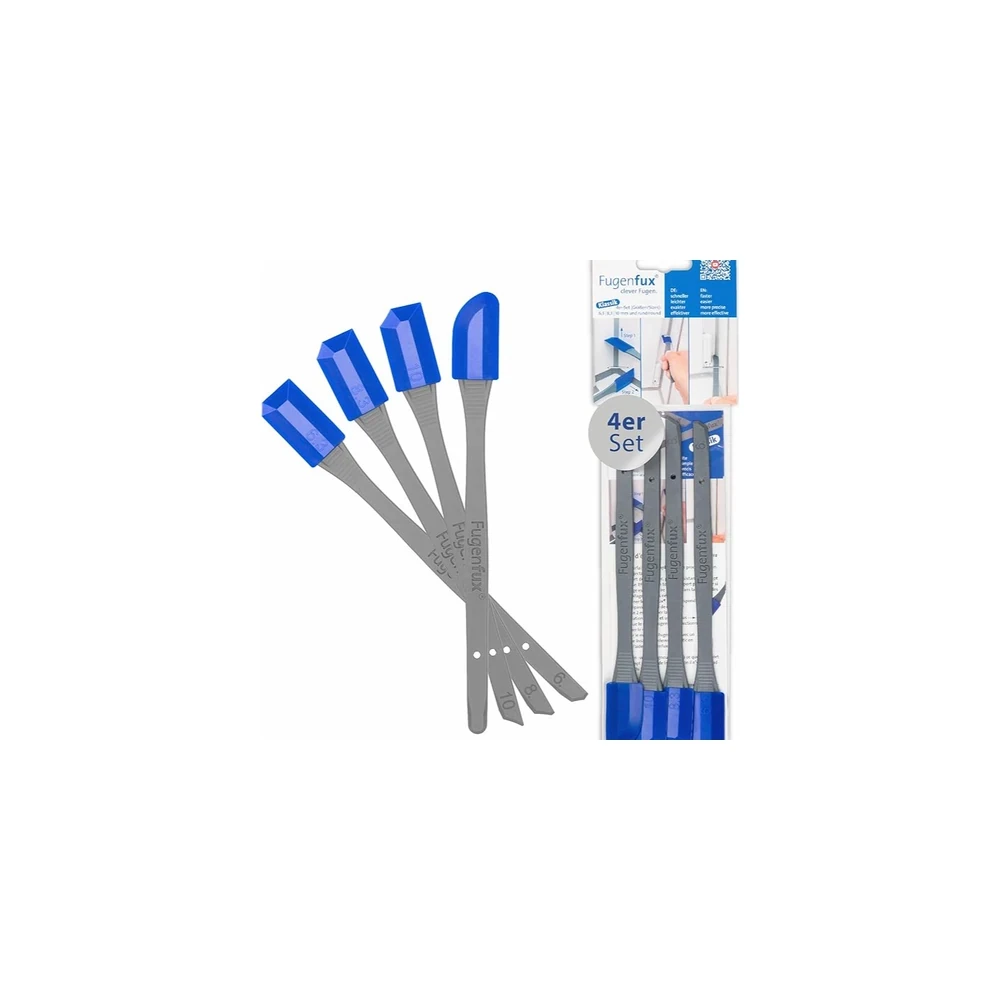
FUGENFUX
Profiling tool. Dry-fit the edge that reaches both sides of the joint.
Exceptions
Glass and movement joints that will not be painted: exterior neutral silicone usually lasts better on show. Frame-to-façade that will be painted: hybrid. Inside and outside are not the same product; that belongs on the window guide.
-
How to seal windows inside and out
Distinguish the frame-to-wall joint from a glazing seal. Inside you may want paint. Outside check rain, sun and movement.
-
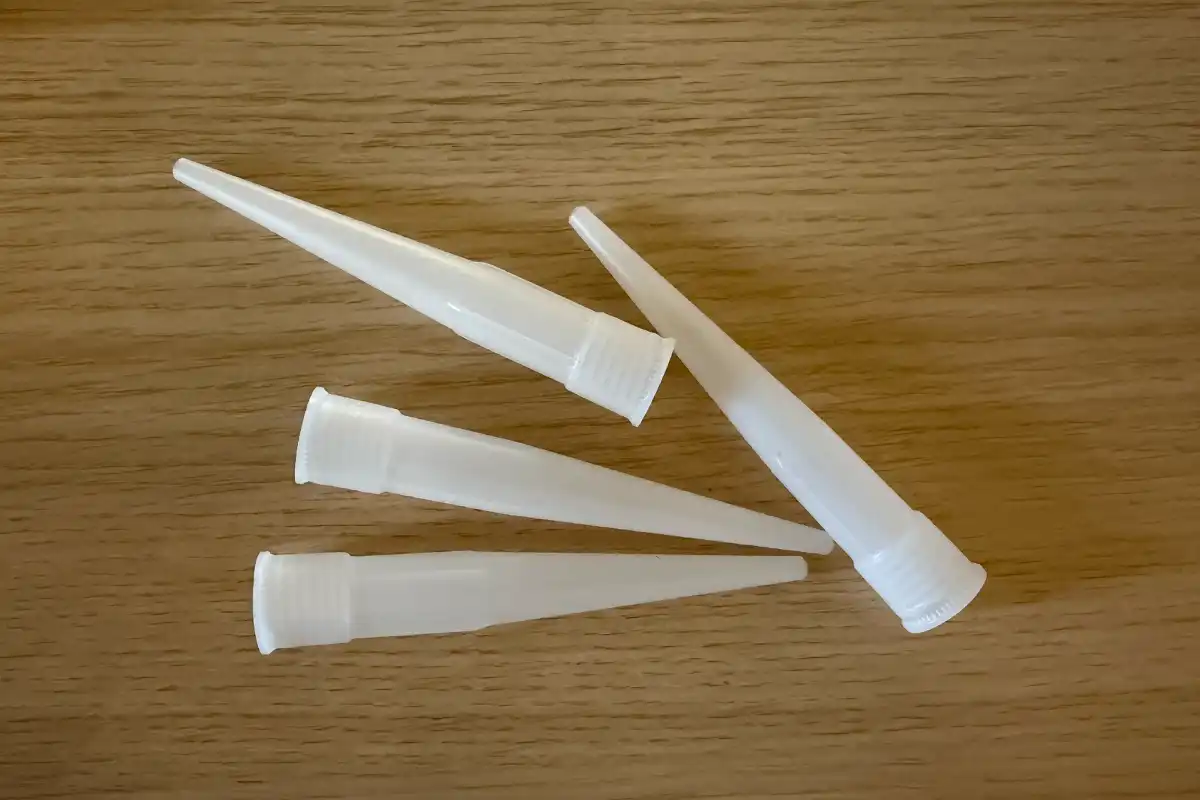
How wide should a sealant joint be?
Measure the narrowest and widest points. Compare both with the limits for those surfaces and the expected movement.
-
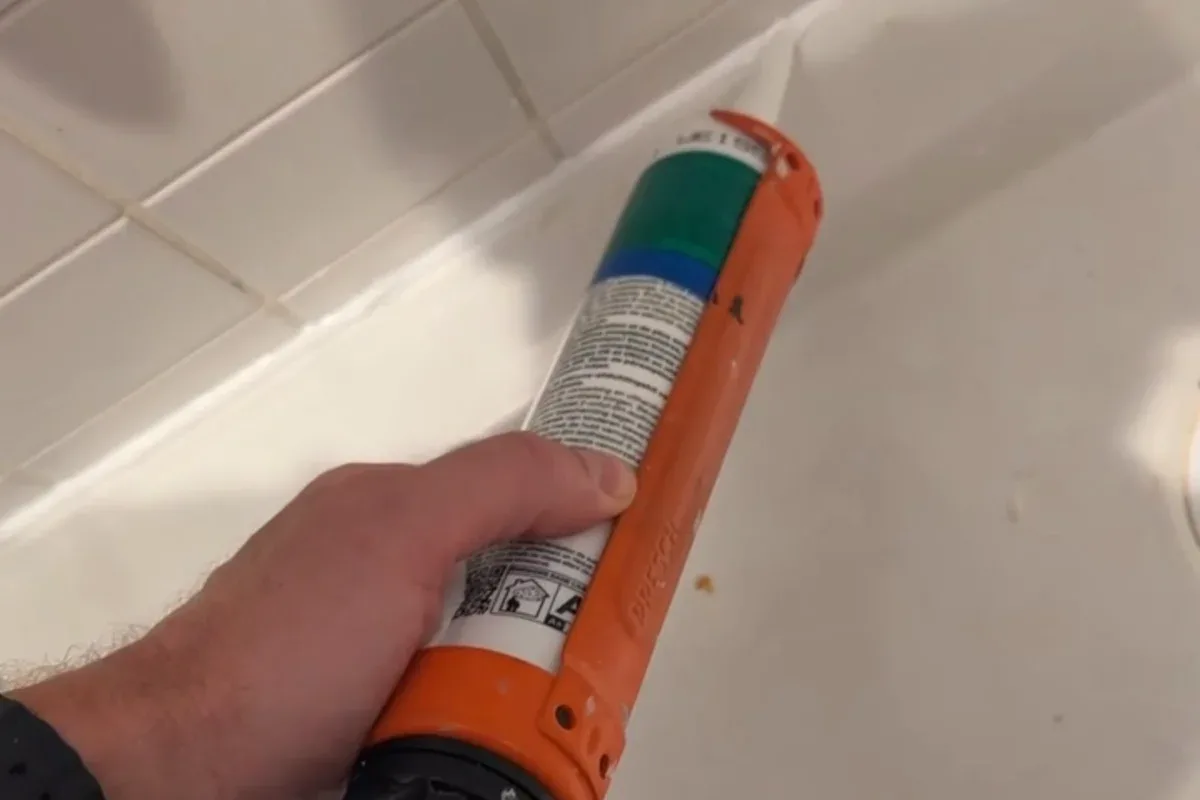
Why sealant needs two-sided adhesion
Look at a cross-section. The sides hold the bead. A third bond at the base restricts the material that can stretch.