
Can you put new silicone over old silicone?
Lift the loose edge to see how far the failure extends. Covering it leaves the new bead resting on the same failing surface.
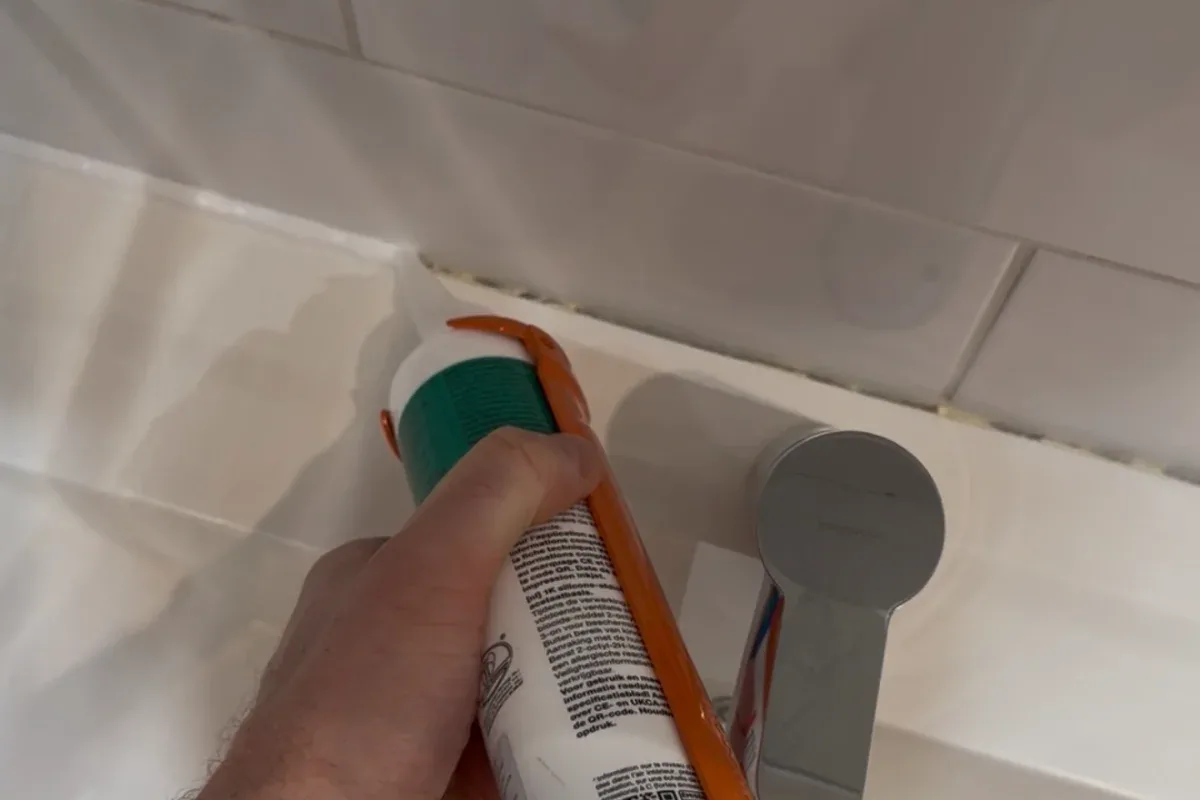
Never shoot new silicone onto old silicone. Cut the mass out, remove the invisible film and clean dry. Over the top you only get a cold weld that lets water and mould in.
Buying through a product link may earn us a commission at no extra cost to you.
Why a bead laid over old silicone fails
Cured silicone has extremely low surface energy. Fresh silicone does not really bond to it. What you get is a cold joint: two layers with no chemical weld. Water climbs between them by capillary action. Mould grows where you cannot see it, behind the “new” bead.
A tube that claims it can go over old silicone is a bodge. In proper joint work it does not count as a seal.
When preparing a fresh cartridge, use the Stanley knife as instructed. Cut the nozzle away from your fingers. This cartridge tool is not a scraper for glass, fabric or a shower tray.
Before opening the cartridge, try the Presch silicone gun in the tightest corner. Check you can turn your wrist and release pressure at the end of the run.
When yes and when no
No if the bead is stained, torn, peeled or has mould in the mass. All of it out.
No if you see a pin-hole in a relatively new joint. Do not cap the hole. Cut a generous length and rebuild that segment on a clean substrate.
Yes try a deep clean if the joint is intact and only dirty. Replace when mould is in the mass or the flank opens.
Use Cleanprimer 1101 only where the manufacturer’s primer table specifies it for that sealant and non-porous substrate. Observe the flash-off time. It is not a household cleaner or stain remover.
The film you cannot see
Scraping the bead with a knife is half the job. A thin film of old silicone stays on the tile and the sanitaryware. Three months later the new bead peels like rubber: adhesion failure.
After the coarse cut: a silicone remover, dwell time, scrape without scoring the acrylic, degrease with a technical cleaner (not oily white spirit) and dry fully. One grain of old silicone is a bump and a weak spot.
On a face that was soaked in silicone, I sometimes open the meeting by a millimetre so the new bead hits a clean edge. A real 4–6 mm bond face takes movement; a smear over film does not.
Dry-fit the FUGENFUX profiling tool. Choose the edge that meets both sides without scooping out the middle, then tool the bead before a skin forms.
How to renovate properly
- Cut the old mass without wrecking the tray or the glaze.
- Break the film with a silicone remover, not vinegar: vinegar does nothing to cured silicone.
- Clear the residue, degrease, dry. If moisture weeps from the joint, wait. Sealant on wet is a leak waiting.
- New backer rod if the old one was dirty or crushed.
- Sanitary silicone with body — OTTOSEAL S100 here — tooled so water can run off.
Expensive mistakes
Leaving “a bit” in the corners. Capping a hole. Sealing over moisture from an opened joint. Thinking you save time: between two layers mould grows faster than on an old bead you can see.
Tools and materials for this job
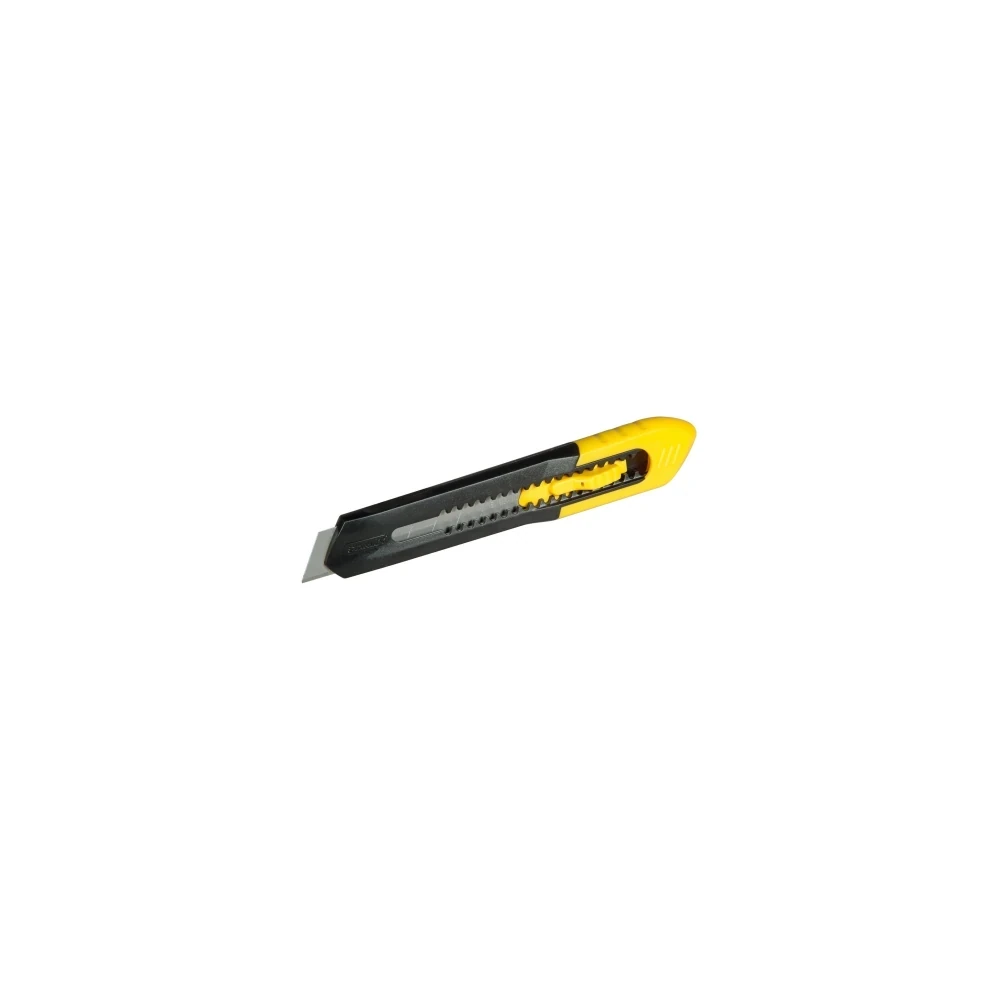
Stanley knife
For opening the cartridge and trimming the nozzle, not scraping delicate surfaces.
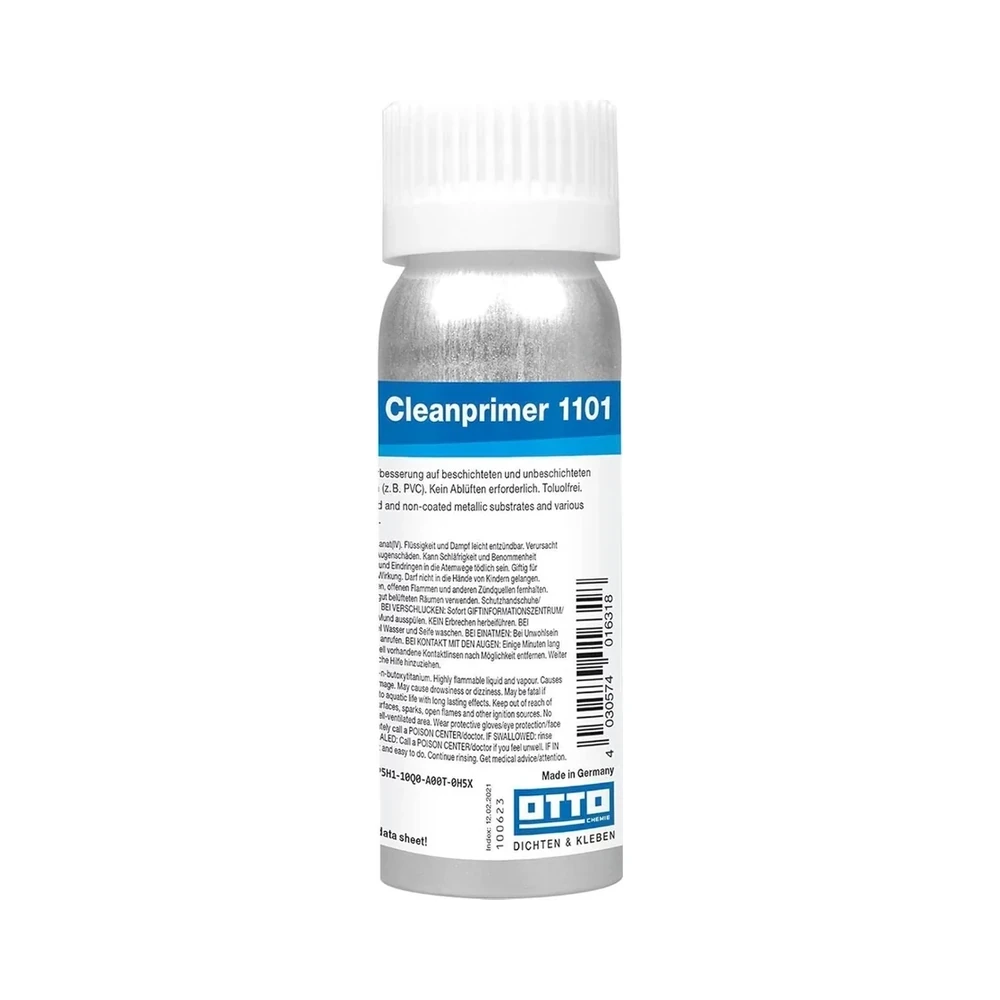
Cleanprimer 1101
Pretreatment for specified non-porous substrates; consult the primer table.
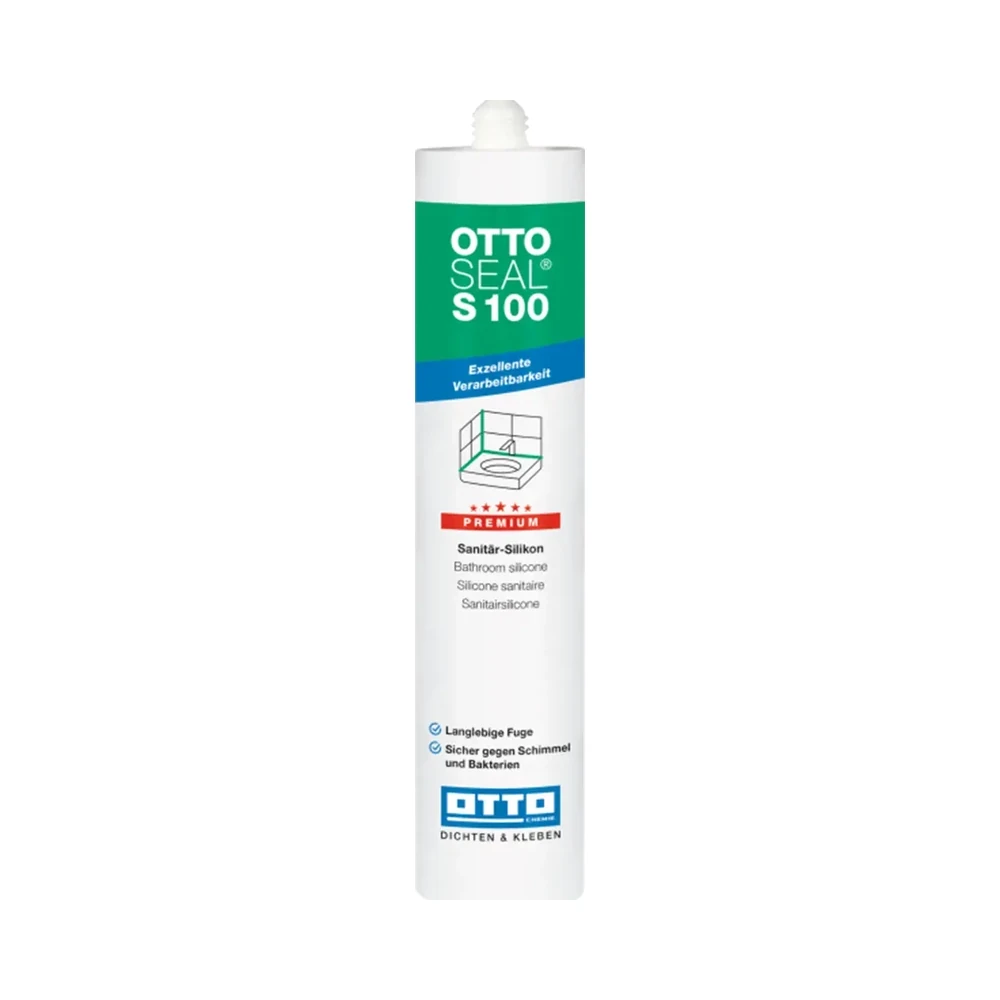
OTTOSEAL S100
Sanitary silicone for compatible surfaces. Check both edges before opening the cartridge.
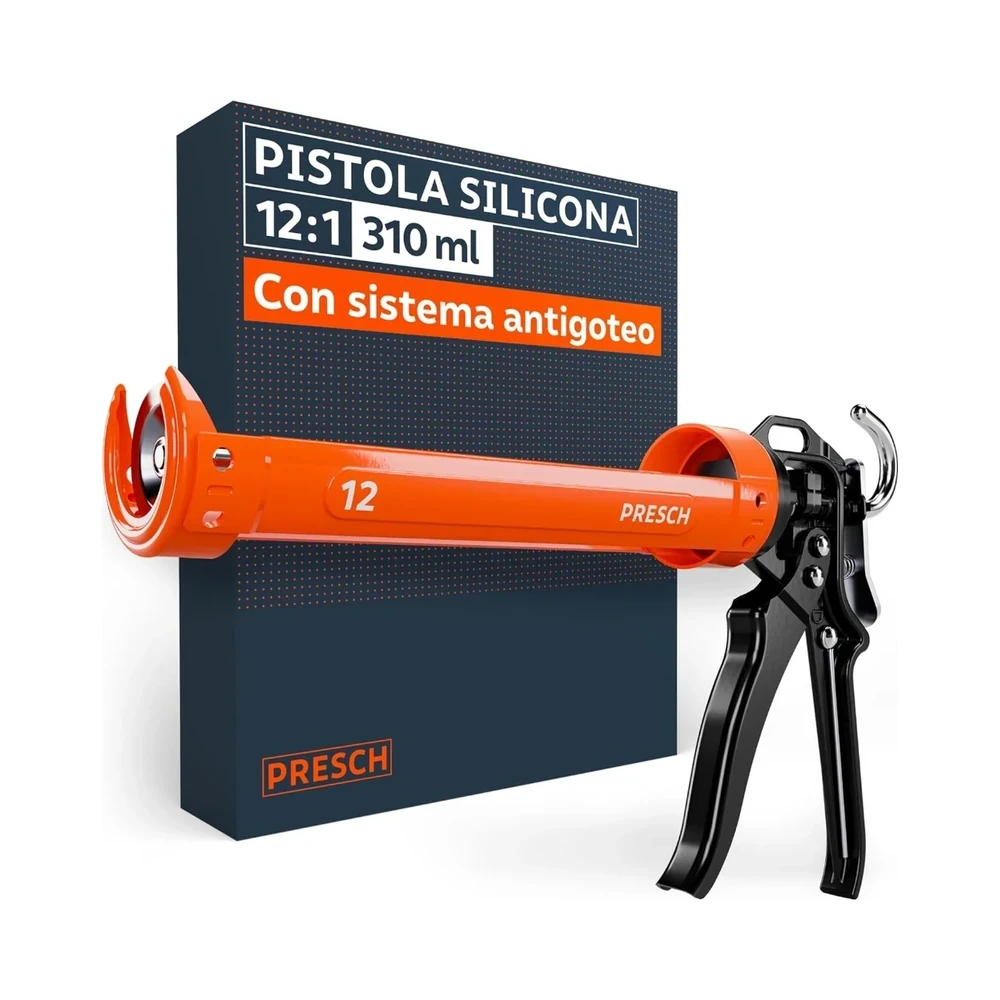
Presch silicone gun
Manual cartridge gun. Check you can release pressure in the last centimetre.
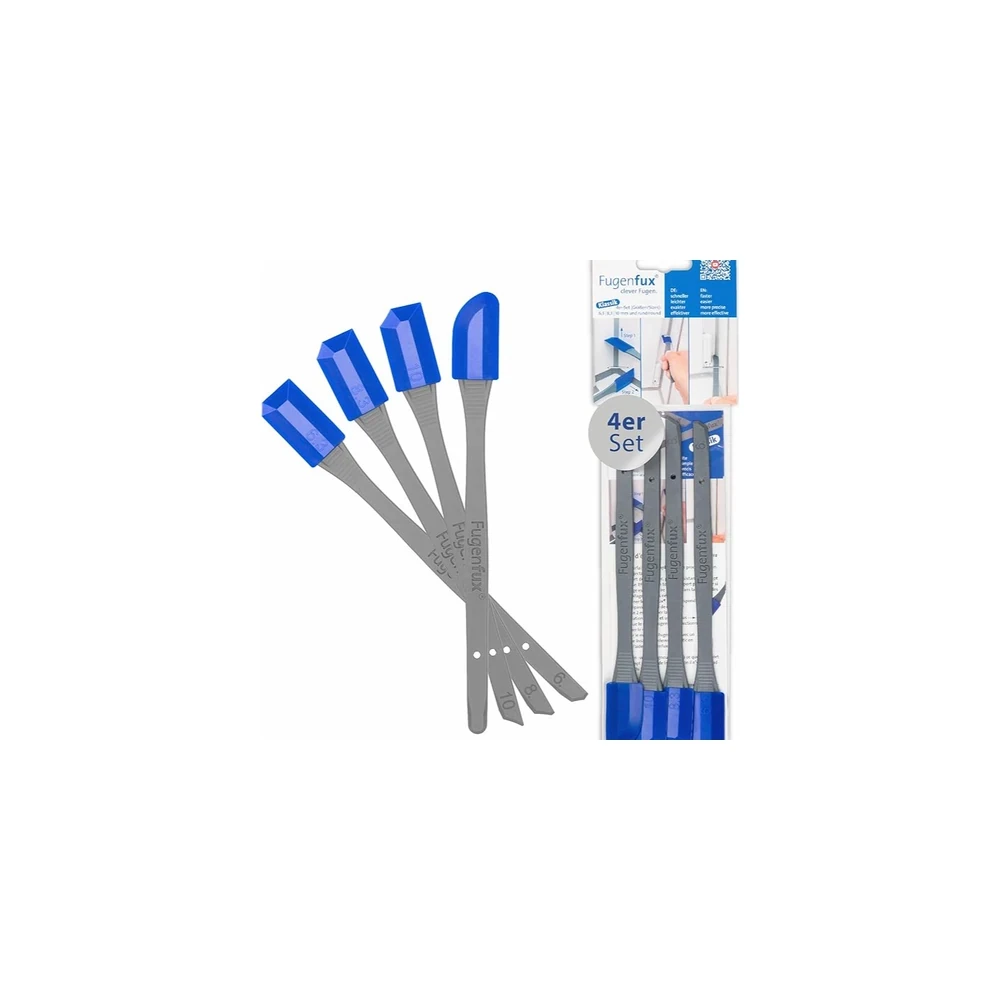
FUGENFUX
Profiling tool. Dry-fit the edge that reaches both sides of the joint.
Exceptions
No professional system promises a lasting seal on old silicone. A segment replacement is a segment replacement, not a patch on top. Wait for cure (often 24–48 hours on a typical shower joint, longer if it is deep) before you load it with water.
-
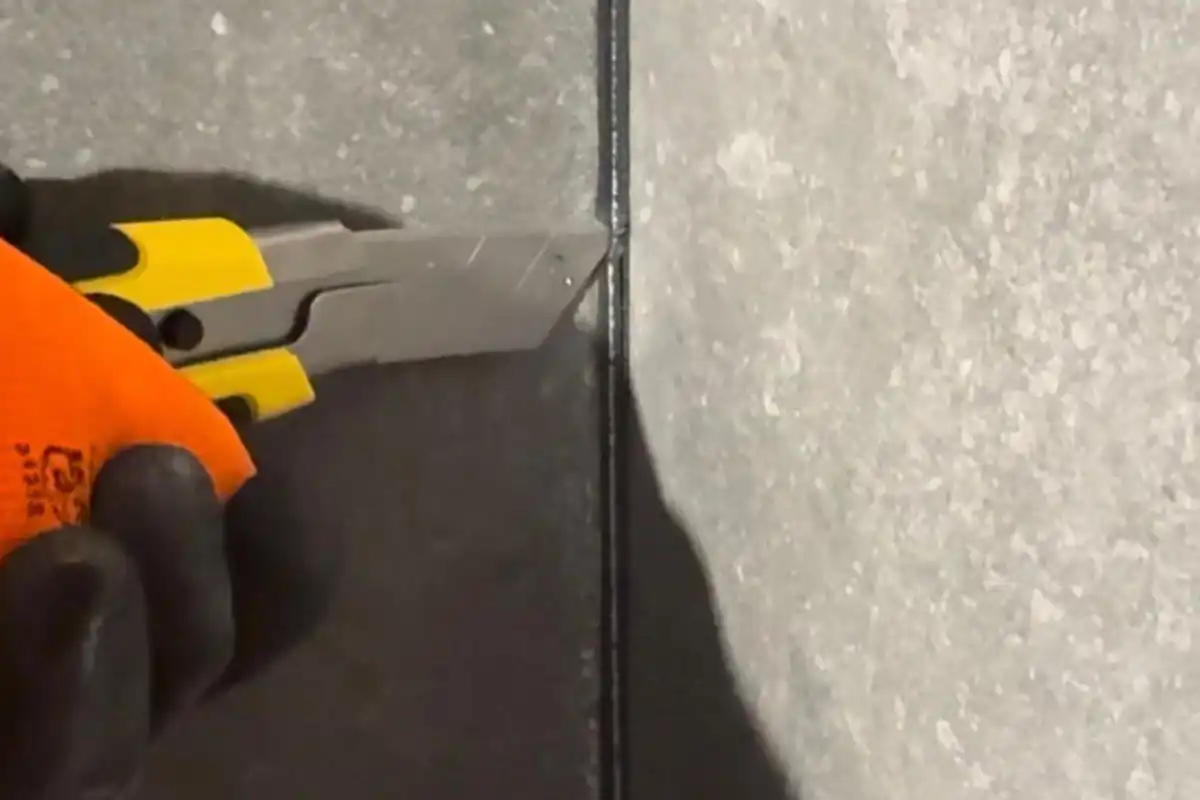
How to remove old silicone without damaging the surface
For a replacement joint, remove the bead and residue from both sides. A smear on glass or fabric calls for a different method.
-

Preparing a surface for sealant adhesion
Remove loose material, then check the cleaner and any primer against the actual surface.
-
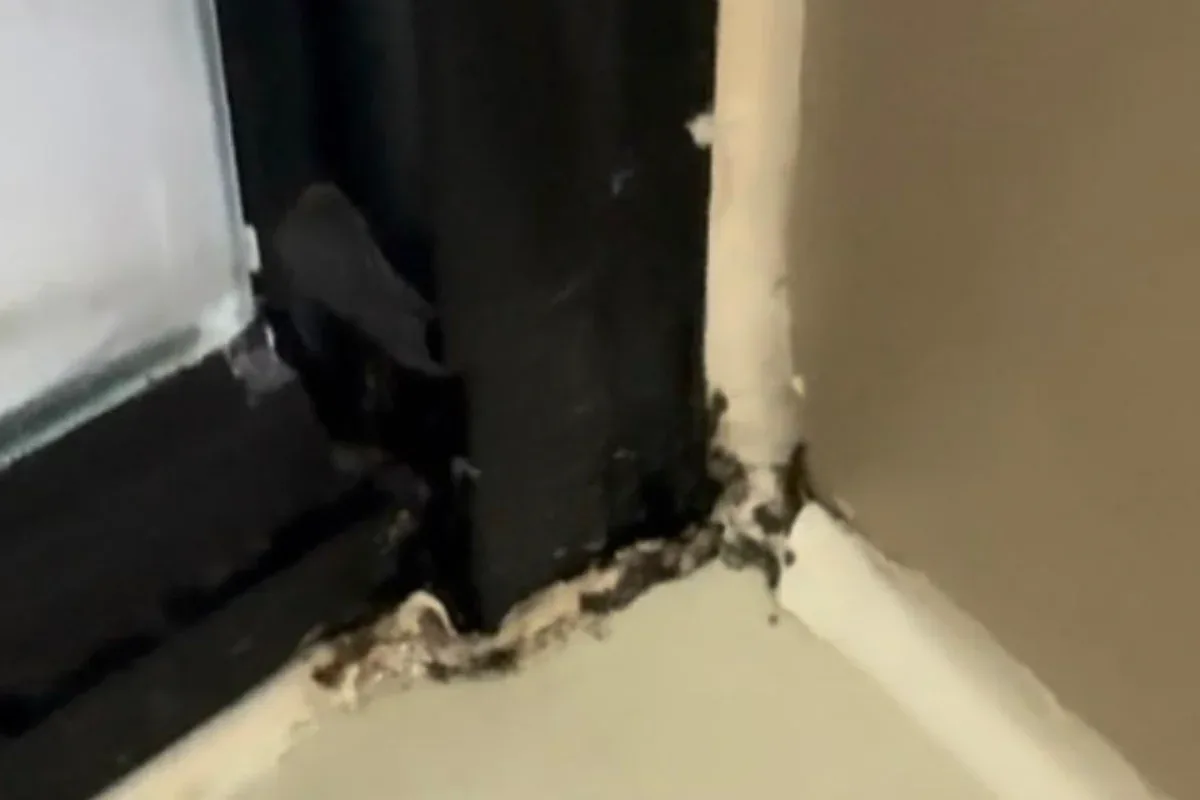
Mould in shower silicone: clean or replace?
Check whether the mark sits on the surface or inside the bead. If it keeps returning, inspect where water collects.