
Seal before or after painting?
Check whether the sealant accepts paint and when it can be coated. A sample lets you spot beading before painting the joint.
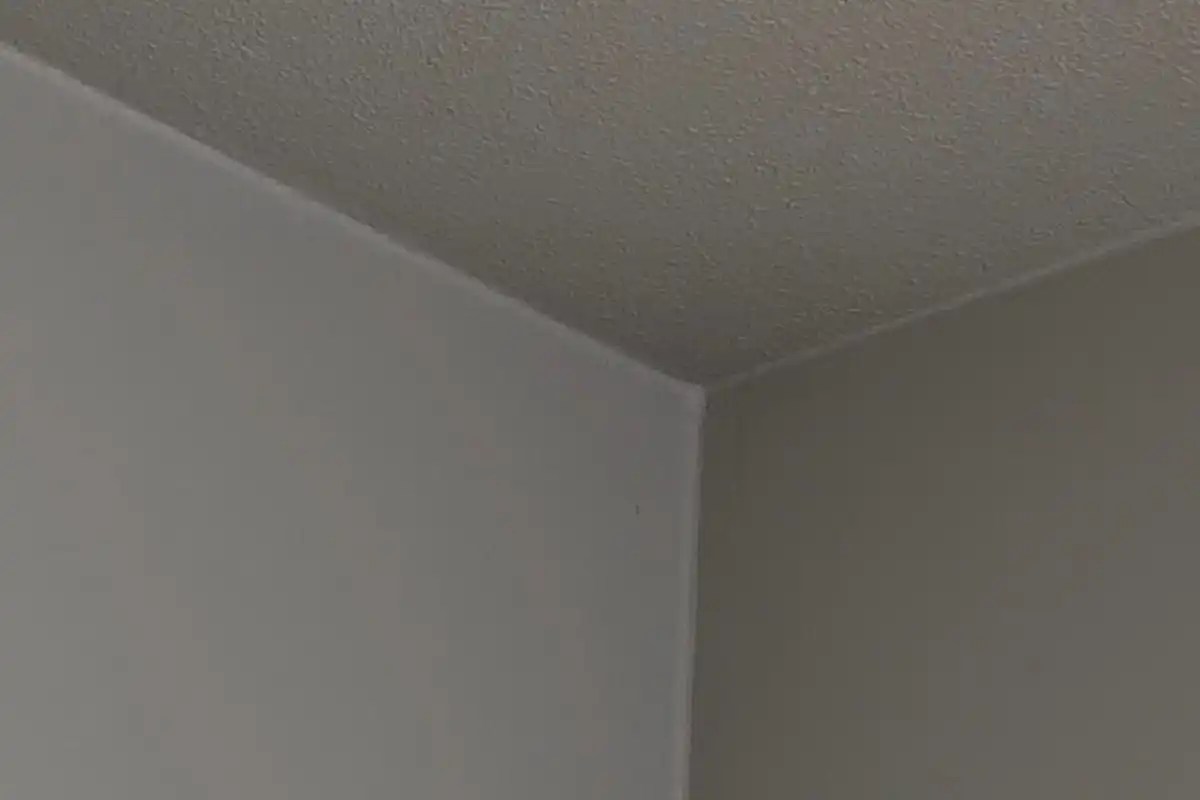
Wall-to-ceiling corner: paintable elastic acrylic after priming and before the finish coat. Paint alone will not close a joint that moves, and sanitary silicone will reject paint.
Buying through a product link may earn us a commission at no extra cost to you.
When the surface is ready for the painter
The walls look like glass and the corners look sharp. The temptation is to open the emulsion and go. The internal corner — wall to ceiling — is where plaster is weakest. Mineral plaster never seals that meeting at a microscopic level. Tiny holes and a ragged edge remain. Paint crawls into them and you get a saw-tooth line, not a magazine edge.
The house also moves. Heat, moisture and seasonal change shift wall against ceiling. Plaster is hard. Hard plaster plus a moving frame means tension cracks. Paint over that meeting with nothing elastic in between and the first cold season often opens a dark, jagged line in expensive decoration.
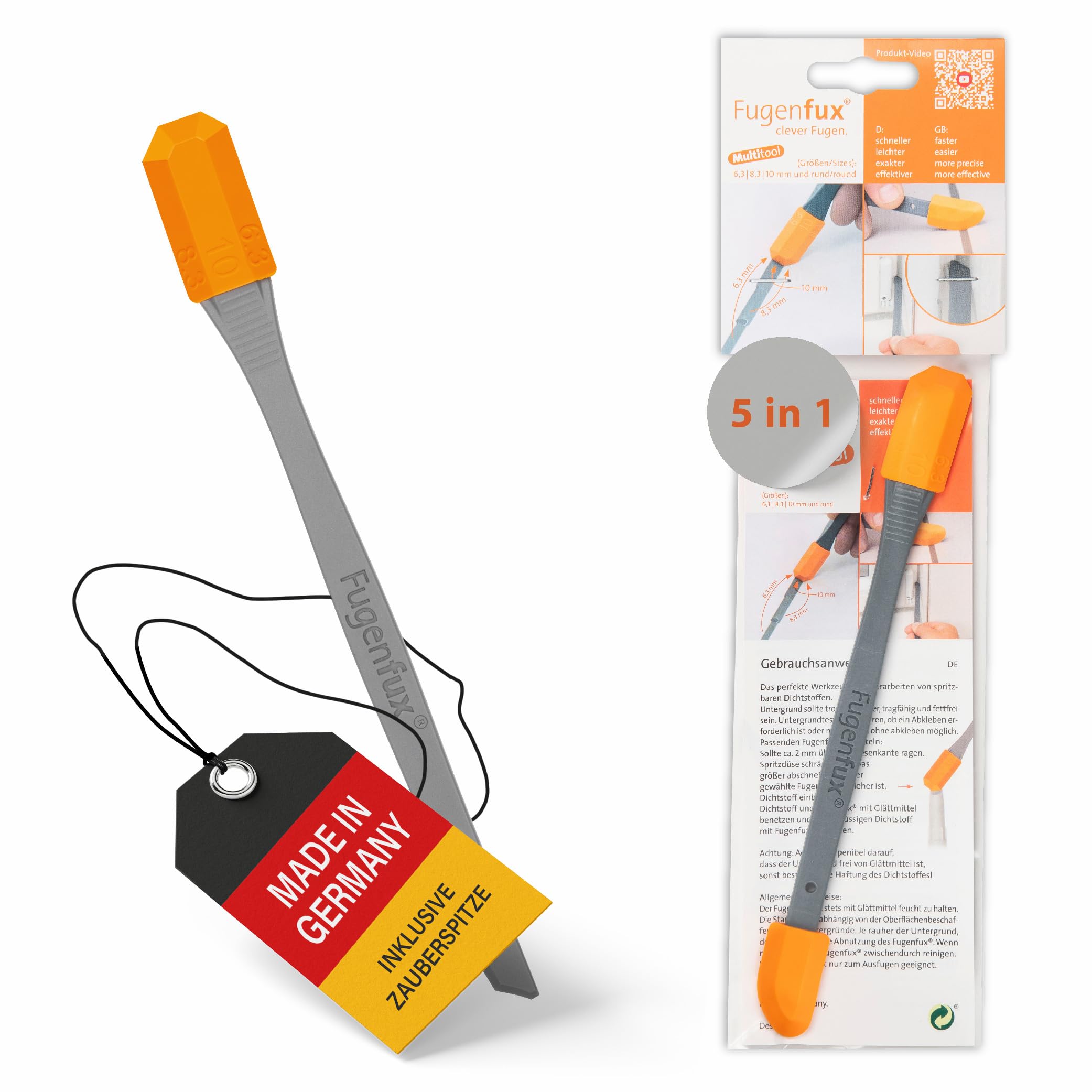
Dry-fit the FUGENFUX profiling tool. Choose the edge that meets both sides without scooping out the middle, then tool the bead before a skin forms.
Why acrylic, and which acrylic
The painter’s trick is a paintable acrylic bead in that hollow before the finish coat. Not sanitary silicone. Silicone has very low surface energy. Paint pulls into islands — fish-eyes. Worse: silicone oil can soak into gypsum. After that, paint may never take on that patch. Silicone belongs in the wet room. Acrylic belongs on the dry, painted junction.
Cheap acrylic is mostly water and filler. When the water leaves, the bead shrinks and the paint film on top craze. I use a high-solids painter’s acrylic (OTTOSEAL A205 is the one in my box). It still moves with the building; it does not pretend to be a structural joint. Typical acrylic movement classes are modest compared with sanitary silicone — enough for this corner, not a promise that every crack in the house will vanish.
On sprayed texture or a grainy plaster I do not use a glassy-smooth acrylic. A structured acrylic (I use OTTOSEAL A215) disappears into the grain after painting. A shiny smooth stripe on stipple is a fingerprint.
Geometry: a slight hollow
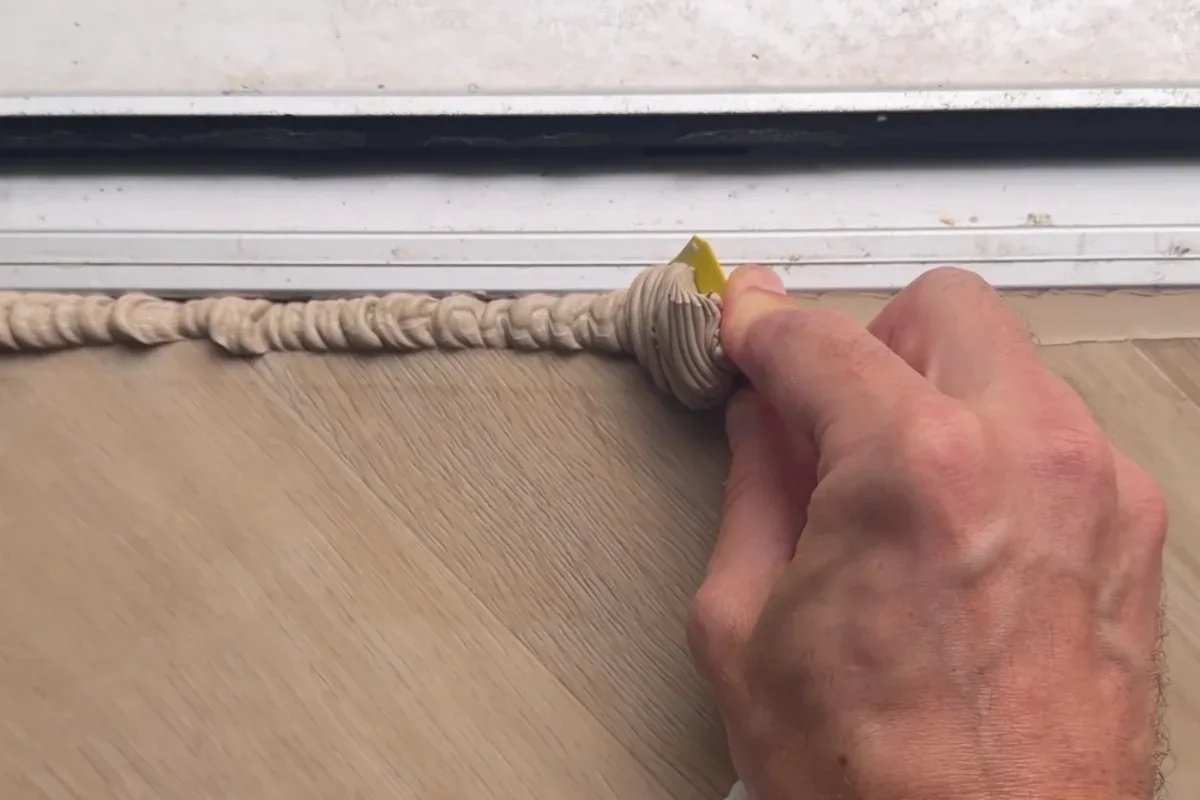
I tool a very light concave in the corner. That hollow is a guide rail for the brush: one pull, a straight line, fewer snags. It also leaves a little extra length of elastic material to take movement. A fat convex blob looks amateur and peels paint at the high point.
Order of work
- Dust off. Prime the plaster so the acrylic is not sitting on loose powder.
- Apply acrylic after primer, before the finish emulsion.
- Tool dry, or with a finisher meant to be overpainted. Washing-up liquid is grease. Paint will crawl.
- Wait until a firm skin has formed. Cartridges often say “overpaintable quickly”. A thick bead still holds water. Overnight is safer than “ten minutes and roll”. Painting too soon still craze.
- Then the finish coat, covering the bead so the colour is one.
Skirtings, door linings and other dry internal meetings get the same logic. The shower corner does not.
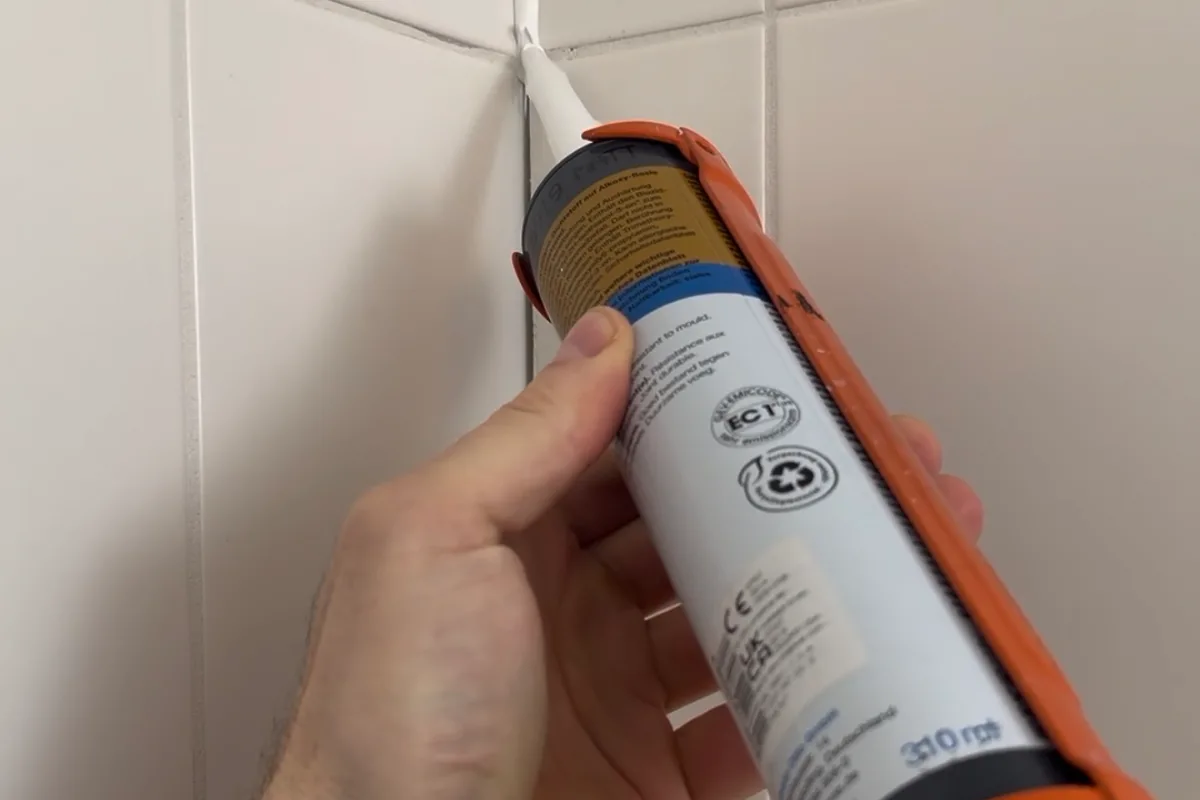
Before opening the cartridge, try the Presch silicone gun in the tightest corner. Check you can turn your wrist and release pressure at the end of the run.
Tools and materials for this job
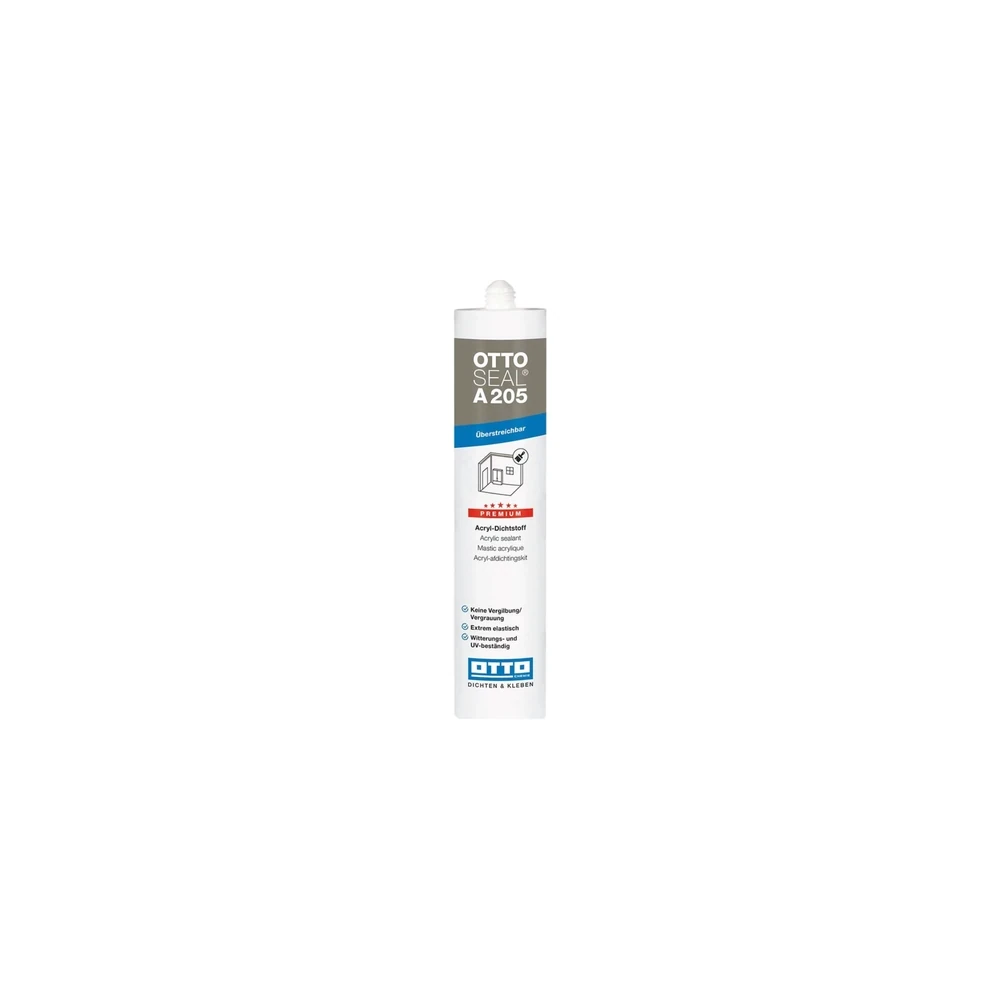
OTTOSEAL A205
For a dry joint that will be painted. Check movement and paint compatibility.
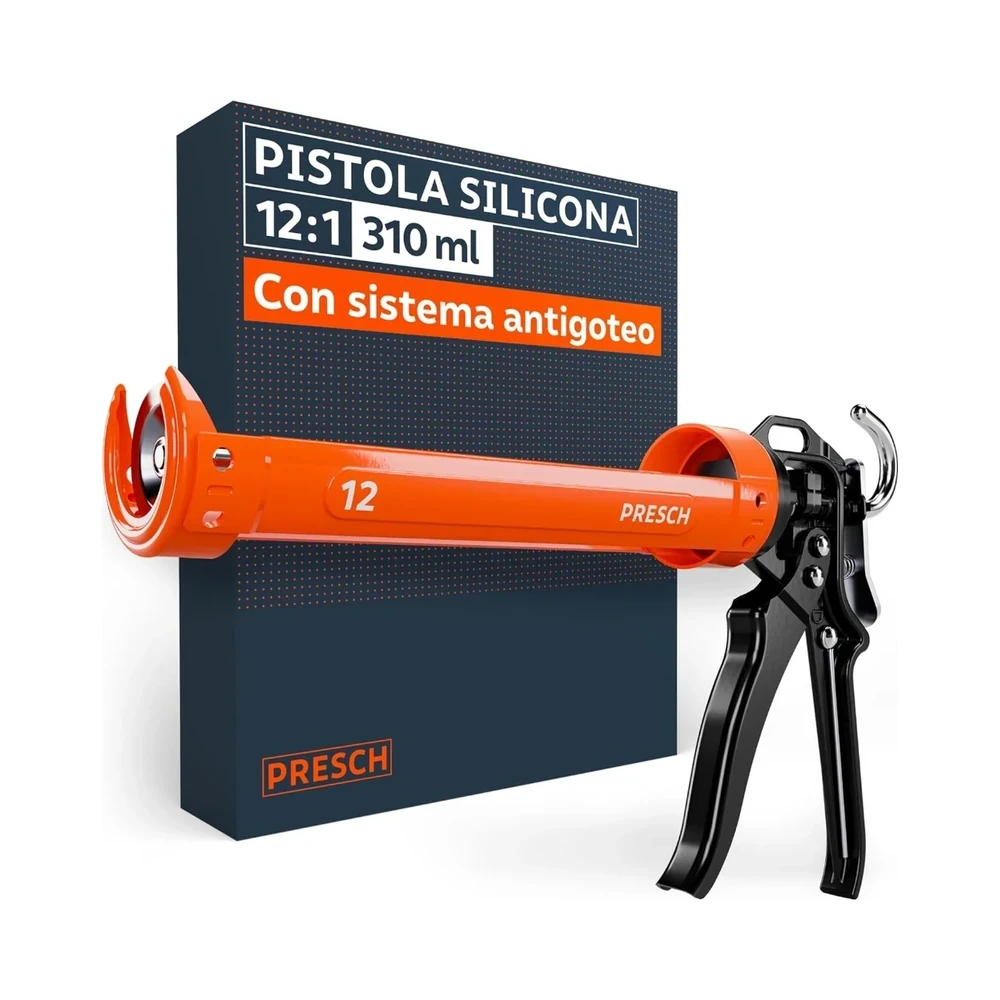
Presch silicone gun
Manual cartridge gun. Check you can release pressure in the last centimetre.
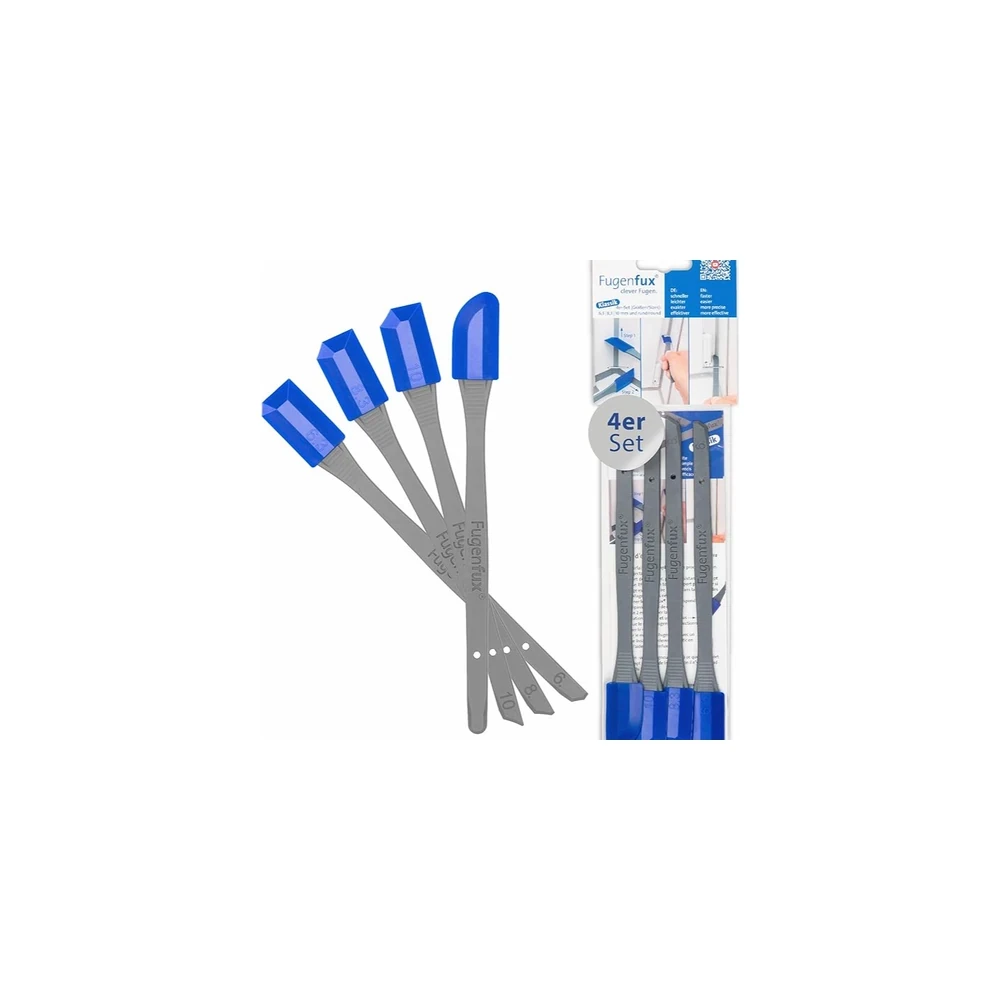
FUGENFUX
Profiling tool. Dry-fit the edge that reaches both sides of the joint.
Exceptions
If the crack is structural — a settlement split you can put a fingernail in — acrylic will not stitch the house together. Fix the cause, then decorate.
If silicone already contaminated the gypsum, cutting and cleaning is the start, not another coat of emulsion. Do not mix the two chemistries on the same corner and hope.
-
Why paint cracks over acrylic caulk
Check the painting interval, movement and paint compatibility. Test both products together before finishing the visible joint.
-
Can you paint silicone sealant?
Check that the specific sealant accepts paint and try the combination on an offcut. For a shower bead, choose the cartridge colour.
-
How deep should a sealant joint be?
Measure the section before cutting the nozzle. Where appropriate, control depth so the bead works on both sides.