
Why silicone peels off a shower tray
Check whether the edge has lost adhesion or the tray itself moves under load. A moving tray needs its support checked.
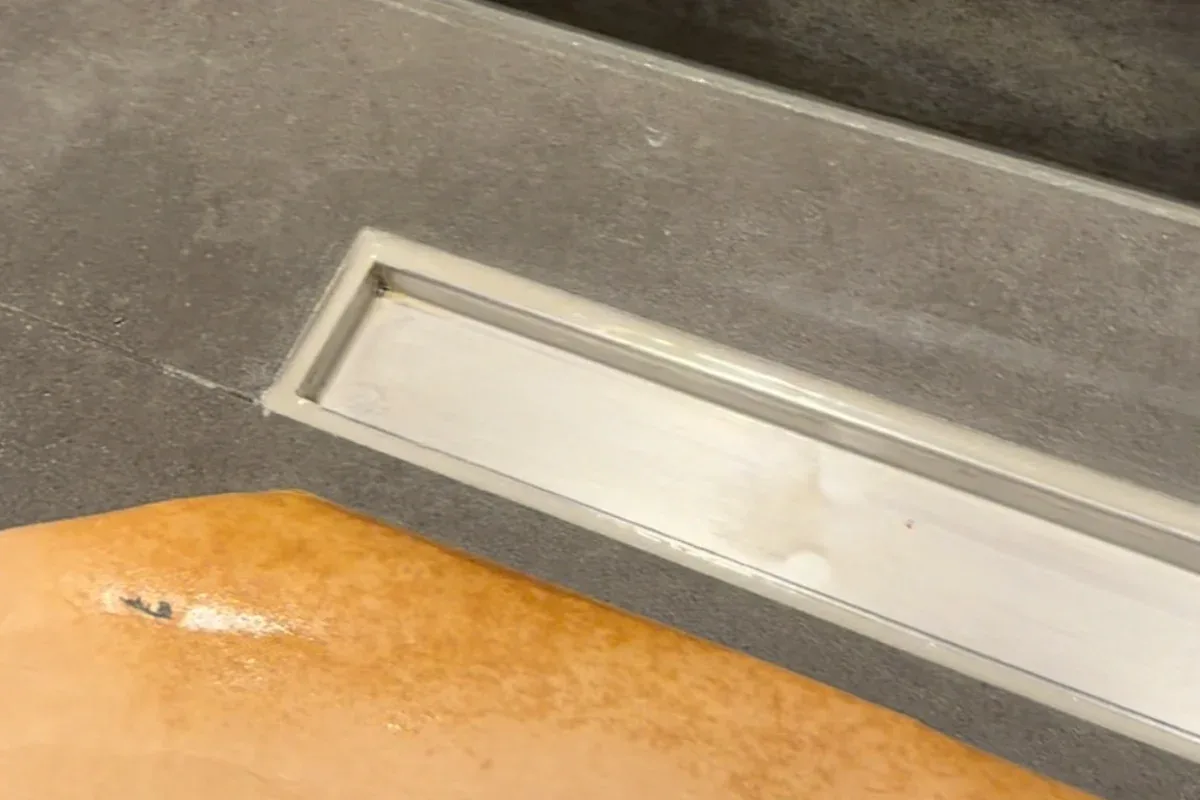
If the bead peels off the plastic in one piece, it never bonded. Clean properly, prime if the plastic needs it, and seal under load when the bath or tray sags when filled. If the tray rocks when you stand in it, fix the support first; silicone will not hold it still.
Buying through a product link may earn us a commission at no extra cost to you.
Edge adhesion or tray movement?
Sanitary silicone is an elastic seal. It follows small movement between tray and tile. It is not a structural adhesive, not packing for a hollow support, and not a way to lock a rocking tray in place.
Peel usually tells one of two stories. If the bead comes off whole, smooth on the back, it never bonded to the acrylic or composite. If it tears through the middle, it did bond, but the movement beat cohesion. A fatter cartridge does not merge those two jobs.
Before opening the cartridge, try the Presch silicone gun in the tightest corner. Check you can turn your wrist and release pressure at the end of the run.
Flex under load versus a tray that moves
Acrylic and composite expand with hot water and drop a few millimetres under weight. That is expected movement. The joint has to work like a rubber band: two faces, enough body, and often ballast while it cures.
A tray that springs, creaks or sags when you step in is a support problem — feet, frame, board, or whatever that tray’s maker specifies. There is no universal mortar-or-foam recipe. Silicone will not do that work. A thicker bead is still elastic: it tears or lets go the same way.
Dry-fit the FUGENFUX profiling tool. Choose the edge that meets both sides without scooping out the middle, then tool the bead before a skin forms.
Why plastic lets go
Acrylic and composite have low surface energy. Sealant sits on the face if the rim is greasy or filmed. White spirit, glass cleaner and some sprays leave an invisible film. Classic pattern: it holds the tile and, after a few showers, opens on the tray edge.
Technical clean, dry, and a plastic primer when that substrate needs it. Without that, an expensive cartridge still will not grab.
Use Cleanprimer 1101 only where the manufacturer’s primer table specifies it for that sealant and non-porous substrate. Observe the flash-off time. It is not a household cleaner or stain remover.
How to reseal (once the tray is stable)
- Cut out every scrap of old silicone. A leftover film blocks the new bond.
- Degrease with a technical cleaner that leaves no residue. Let it dry.
- Prime the plastic if that rim needs it.
- If the joint is deep, set closed-cell PE backer rod so the sealant bonds on two faces, not three.
- Give the joint body — not a smear. In practice, about 5–6 mm width and depth have enough mass to stretch; a thin film does not.
- On a bath or tray that sags when filled: water ballast after a dry clean, and leave it until cure. The fill-the-bath guide has the detail. The idea here is simple: you seal in the loaded position, not the empty one.
I use OTTOSEAL S100 here. I skip stiff hybrids on this meeting: they are often too rigid for acrylic movement.
Mistakes you see every week
Sealing an empty bath and filling it the next day tears the joint. A bead stuck to the back as well (three-sided adhesion) cannot stretch and splits down the middle. Sticking loose flaps back never works: silicone does not weld to old silicone.
Do not shoot new sealant over a joint that is only dirty. Clean the surface; replace when it has peeled or torn.
Tools and materials for this job
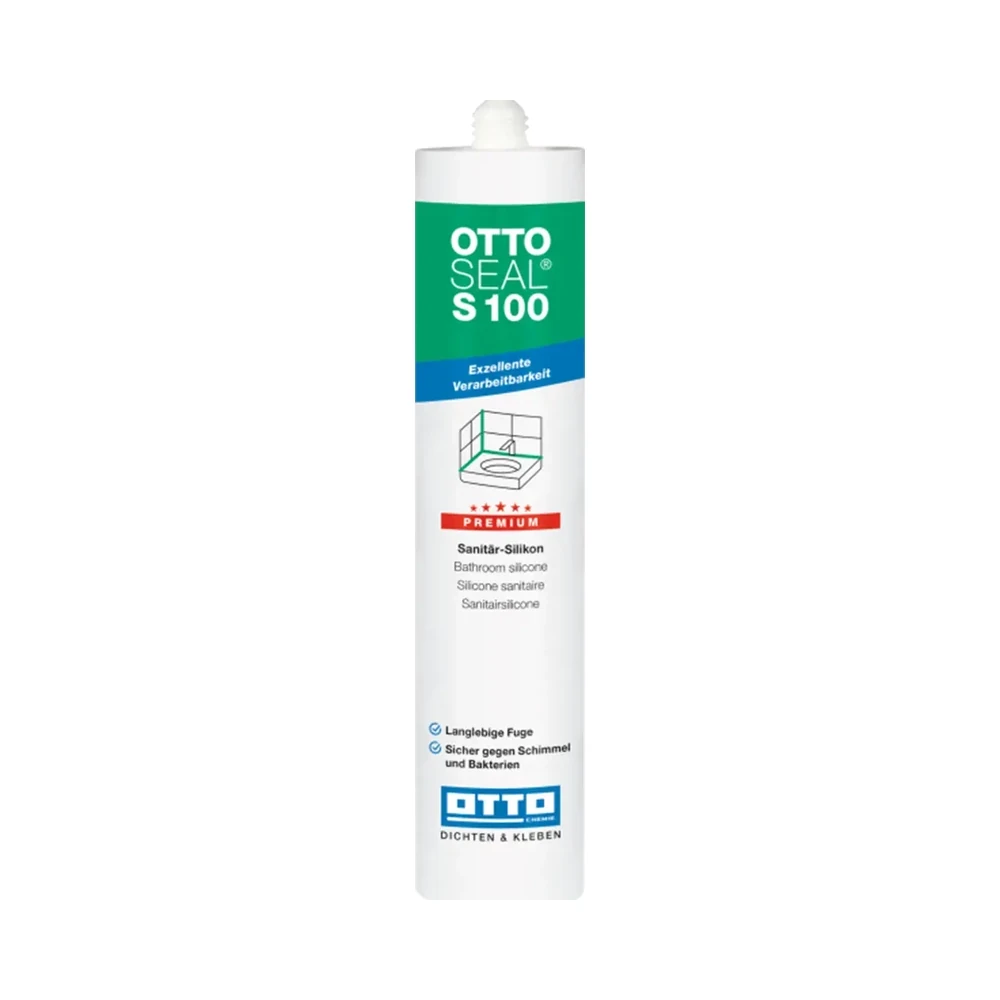
OTTOSEAL S100
Sanitary silicone for compatible surfaces. Check both edges before opening the cartridge.
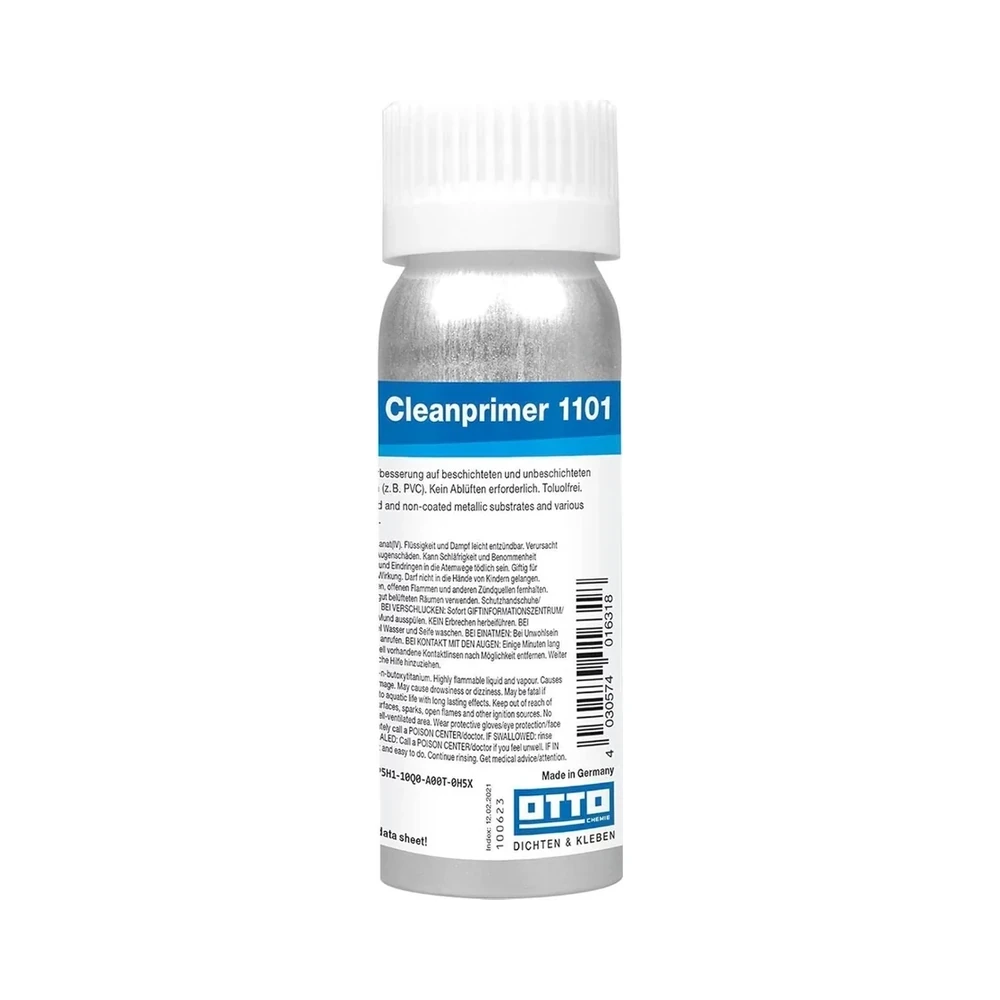
Cleanprimer 1101
Pretreatment for specified non-porous substrates; consult the primer table.
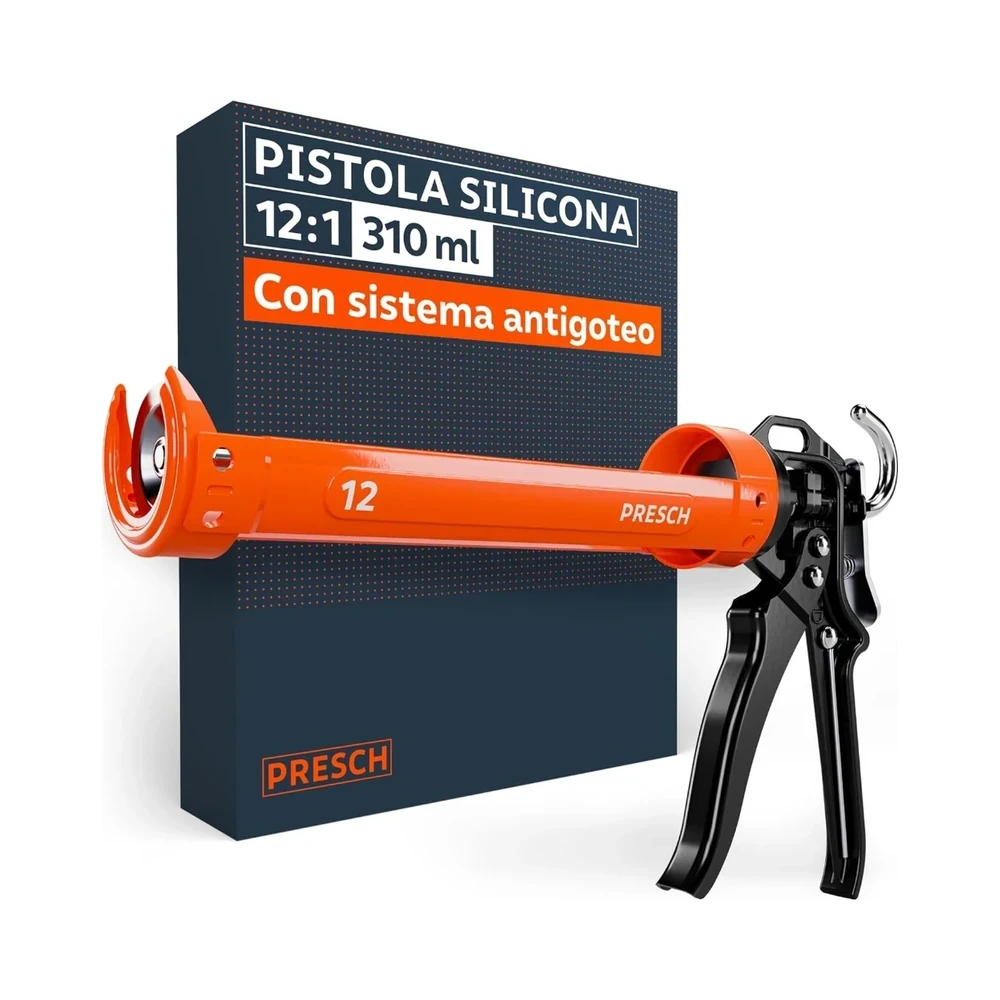
Presch silicone gun
Manual cartridge gun. Check you can release pressure in the last centimetre.
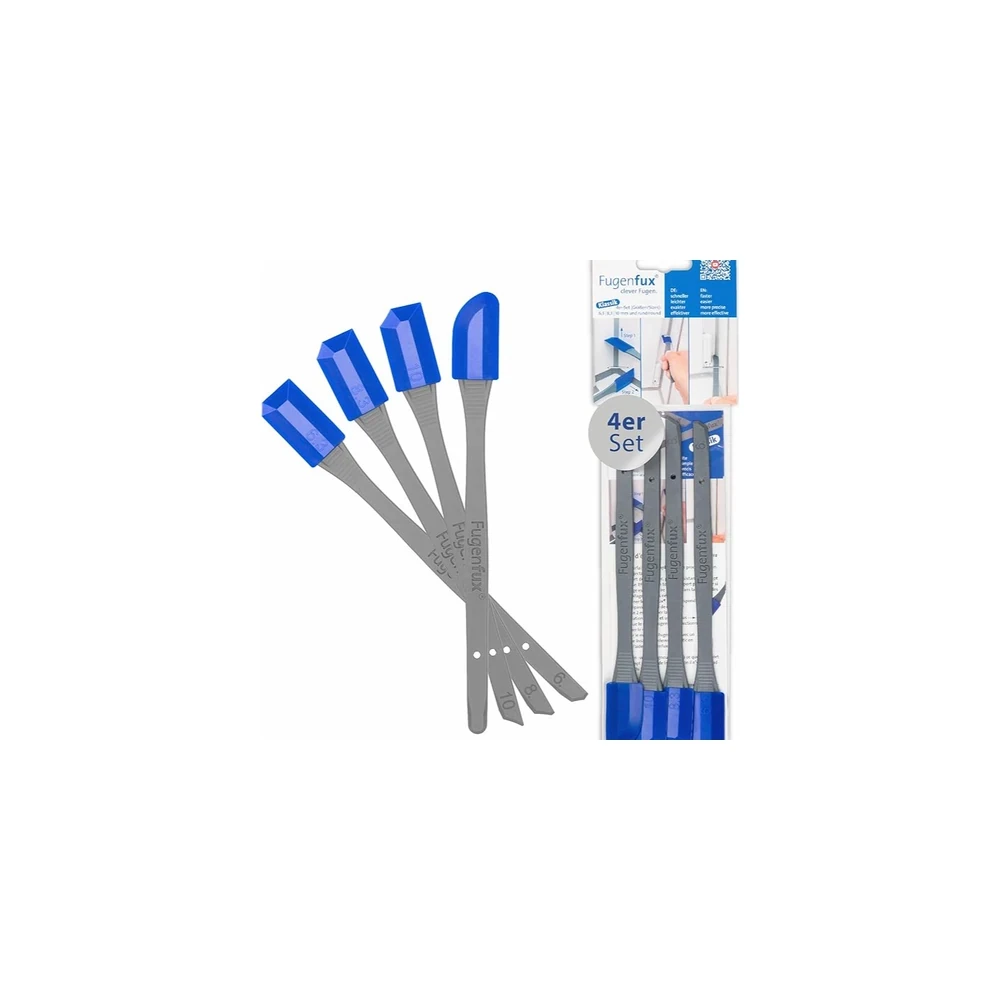
FUGENFUX
Profiling tool. Dry-fit the edge that reaches both sides of the joint.
Exceptions
A rocking tray is a support job, then a joint. A firm tray with tired silicone is only a replacement. If water is already behind the tiling, closing the visible line will not dry that cavity.
Do not invent a universal “always mortar” or “always feet” method. Follow the tray manufacturer and, once the support is quiet, seal it properly.
-
Should you fill a bath before sealing it?
Check the bath supports and the fitting instructions for sealing under load. Fix any rocking before starting the joint.
-
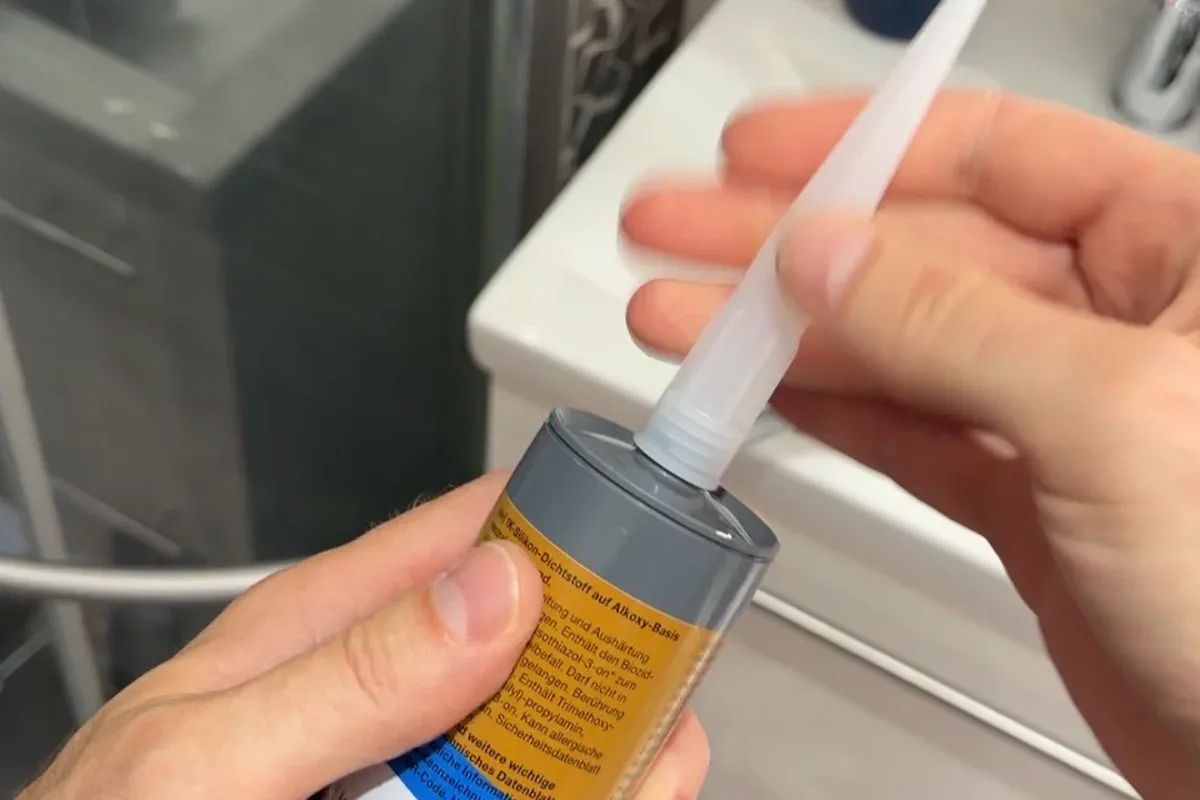
What to check when a shower tray moves
Check the support and movement under load before stripping out sealant. A new bead cannot stabilise the tray.
-

Preparing a surface for sealant adhesion
Remove loose material, then check the cleaner and any primer against the actual surface.